
Written By:Sameena Fatima
Reviewed By:Mirza Ibrahim Ali Khan
Medical Reviewed By:Reyansh Sethi
Published on:Aug 5, 2026
Last Updated on:Aug 20, 2026
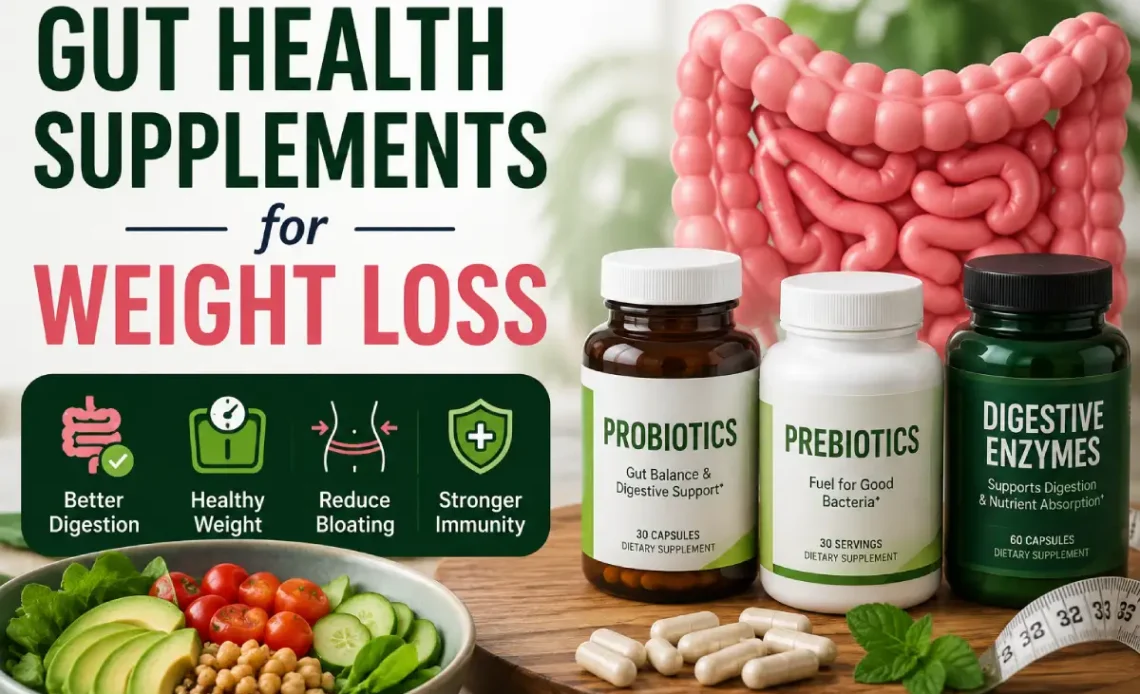
As researchers have identified the link between gut microbiome and metabolism to body weight; gut health for weight loss has gained popularity. Although, we cannot depend on supplements alone to reach our ideal weight, some probiotics, prebiotics and digestive support supplements can positively influence gut health, boost metabolism, promote healthy digestion and support us to have healthy weight.
This guide will show you what supplements have the best scientific support, why they work, and how to choose what supplement is best suited for your goals.
This Article is the Part of Health Habits
Understanding the Link Between Gut Health and Weight Loss
The gut microbiome comprises trillions of bacteria present in your digestive system. They aid in digesting food, generate good compounds, modulate inflammation and affect your appetite and metabolism-related hormones.
Research suggests that an imbalance in gut bacteria known as dysbiosis may contribute to:
- Enhanced fat deposition and storage
- The sluggish metabolism though
- Impaired control of blood sugar levels
- Increased desire to eat.
- Gastrointestinal discomfort
- Chronic low-grade inflammation
Undoubtedly, supporting a healthy gut microbiome would aid in digestion as well as promote an environment conducive to long-term weight management.
Is it possible for Gut Health Supplements to help you shed those pounds?
Gut health supplements are not fat burners. They work in the following way:
Potential benefits include:
- Walking benefits in improving digestion and nutrient uptake
- Decreased bloating.
- Enhanced bowel habits.
- Improved appetite control
- More production of good short chain fatty acids
- Support healthy blood sugar levels
Finally, it is most beneficial to combine supplements with a nutritious diet, adequate sleep, stress control and exercise.
Best Gut Health Supplements for Weight Loss
1. Probiotics
Probiotics for weight management are perhaps the most studied of all our gut supplements. Probiotics re-establish microbial balance after illness, antibiotics or a period of suboptimal eating habits.
Some probiotic strains have been associated with:
- Less belly fat.
- Better digestion
- And less bloating
- A greater insulin sensitivity
- Improved gut barrier integrity.
Choose products with multiple clinically studied strains, and at least 1 billion live cultures per dose.
Best for:
- Digestive balance.
- Mild bloating.
- Now available prolonged gut health.
2. Prebiotics
Prebiotics are fiber compounds that use existing Bactria in the GIT.
Common prebiotic ingredients include:
- Inulin
- Fructooligosaccharides (FOS)
- Galactooligosaccharides (hGOS)
These fibers may help:
What is the effect of peeling a mandarin?Increase satiety
- Is better for bowel health
- Provides support healthy digestion
- Introduced the growth of locally beneficial microbes
Prebiotics work best with probiotics.
3. Synbiotics
Probiotics combined with prebiotics are called Synbiotics.
Thus, both the bacteria and the nutrients that it requires to grow are supplied.
Potential benefits include:
- More diverse microbiome
- Enhanced digestion
- Diminished GI problems
- A way to improve the digestive system in order to achieve weight loss
4. Fiber Supplements
In addition to the traditional metabolism supplements, fiber supplements are often neglected, but important in governing appetite.
Soluble fiber is readily dissolved in water to form a gel.
Benefits include:
- More (more feeling full)
- Calorie restriction.
- More refined blood glucose control
- Enhanced bowel habits
Widely used fibers include psyllium husk, and partially hydrolyzed guar gum.
5. Digestive Enzymes
Digestive enzymes help to break down carbohydrates, proteins and fats.
They do not directly result in fat loss but they might promote post-meal comfort and avoid digestive difficulties that disrupt good dietetic practices.
They may be useful for people experiencing:
- Bloating
- Gas
- Intolerances to food.
- Heavy meals
Comparison of Popular Gut Health Supplements
| Supplement | Main Benefit | Best For |
| Probiotics | Improve gut bacteria | Long-term gut health |
| Prebiotics | Feed beneficial microbes | Healthy digestion |
| Synbiotics | Combine probiotics and prebiotics | Overall digestive wellness |
| Fiber Supplements | Promote fullness | Appetite control |
| Digestive Enzymes | Improve food digestion | Digestive discomfort |
Gut Health and Metabolism
It is now known that the health of the gut is intricately linked to that of the metabolism.
Beneficial bacteria produce compounds called short-chain fatty acids that may:
- Support healthy energy metabolism.
- Decrease swelling.
- Enhance insulin sensitivity.
- Impact on Appetite Control Hormones.
- Healthy body composition.
body composition in balance with body needs.
Consuming a varied microbiome could lead to a healthier metabolism in the long run.
Foods That Support Healthy Digestion
Supplements are most effective when taken with a good diet.
Include foods such as:
Yogurt containing live cultures:
- Kefir
- Kimchi
- Sauerkraut
- Oats
- Apples
- Bananas
- Lentils
- Beans
- Grains whole
- Grassy ground plants especially dark leafy greens.
They are naturally supportive of the digestion and feed the healthy critters living in your gut.
Tips for Choosing the Right Supplement
Before purchasing a gut health supplement, consider:
- Clinically researched ingredients, being designed without other personal care ingredients. This allows to have direct contact with skin so there‘s no competition for bio-molecules.
- Several strains of probiotics.
- Also, People tend to expect transparent labelling.
- Third-party quality testing.
- Guidelines for storage (if necessary).
- Products tailored for your digestive requirements.
For people with long-term gastrointestinal conditions, pregnant or immunocompromised people should speak to a physician.
Lifestyle Habits That Enhance Results
The most effective way to take supplements is Healthy Habits.
For better results:
- Make sure you consume a diet rich in dietary fiber.
- A healthy lifestyle is having a diet rich in dietary fiber.
- Keep well-hydrated, meaning drink plenty of fluids to prevent dehydration.
- Participate in an exercise program.
- Limit ultra-processed foods.
- Ensure that you are getting 7 – 9 hours of sleep.
- Manage stress with meditation or relaxation techniques.
These habits during did support microbiome and obesity management and health
Frequently Asked Questions
Do the gut health supplements reduce fat?
No. Do not directly cause to burn fat but may help digestion, regulating appetite, metabolic health, etc.,result in the reduction of overweight.
And how long will it be before you see results?
For some individuals, digestion may improve over a period of a few weeks. For weight management and related body composition changes, lifestyle habits generally need to be sustained over a few months.
Are prebiotics beat probiotics?
They are not the same thing. Probiotics are live bacteria that are put into the diet. Prebiotics ‘are ingredients that are selectively utilised by host microorganisms to confer a health benefit’. The latter are added to the diet to help feed the good bacteria. A lot of people will benefit from using these measures together.
Do digestive enzymes promote weight loss?
Digestive enzymes are not weight-loss supplements as they serve mainly to enhance digestion and make meals more comfortable. They are more of a weight-management aid by enabling you to eat more comfortably.
Conclusion
Gut health supplements for weight loss can be used as part of an overall wellbeing plan. As part of a total program, select a probiotic, prebiotic, synbiotic, fiber, or digestive enzyme supplement that is food-based, natural, and believeable, and that says it may benefit gut health and metabolism and support proper digestion, and be used to complement a balanced fat loss nutrition plan, lifestyle habits, exercise program, sleep habits, and other healthy practices (such as muscle preservation work and strength training), for best results.