
 Sameena Fatima
Health & Wellness Content Writer
in
Sameena Fatima writes reader-focused
health and wellness content for
HealthBloomWeb, covering fitness,
nutrition, healthy lifestyle and
everyday wellness topics.
Sameena Fatima
Health & Wellness Content Writer
in
Sameena Fatima writes reader-focused
health and wellness content for
HealthBloomWeb, covering fitness,
nutrition, healthy lifestyle and
everyday wellness topics.
 Mirza Ibrahim Ali Khan
Editorial & Content Reviewer
in
Mirza Ibrahim Ali Khan contributes to
HealthBloomWeb's editorial review process,
with a focus on content structure,
readability, search intent and overall
editorial quality.
Mirza Ibrahim Ali Khan
Editorial & Content Reviewer
in
Mirza Ibrahim Ali Khan contributes to
HealthBloomWeb's editorial review process,
with a focus on content structure,
readability, search intent and overall
editorial quality.
 Reyansh Sethi
Medical Reviewer
in
Reyansh Sethi contributes to the medical
review process at HealthBloomWeb, focusing
on clarity, responsible health context and
reader-friendly presentation of health
information.
Reyansh Sethi
Medical Reviewer
in
Reyansh Sethi contributes to the medical
review process at HealthBloomWeb, focusing
on clarity, responsible health context and
reader-friendly presentation of health
information.
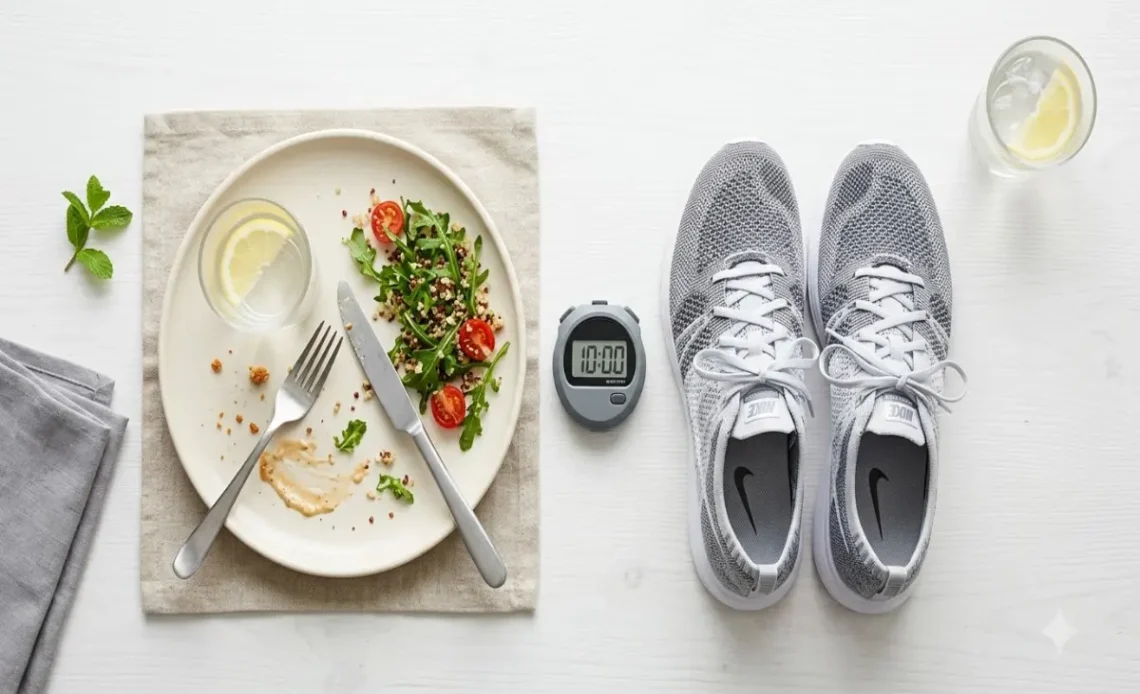
A common question comes up once people start walking more: is it better to walk before a meal or after? Both options are good for health. They are not the same, though. The timing changes what the walk does for blood sugar, digestion comfort, hunger, and how the walk feels.
This article compares walking before meals with walking after meals in plain terms. We will look at what the research shows, practical differences, and how to decide which fits your goals and schedule. No single answer works for everyone every time. The useful approach is knowing the strengths of each so you can choose on purpose.
The Core Difference in Simple Terms
Walking after a meal mainly helps with the immediate effects of that meal. It gives your muscles a chance to take up glucose while blood sugar is rising and gently encourages food and gas to move through the gut.
Walking before a meal mainly contributes to overall daily movement, can improve insulin sensitivity over time, and may influence how you feel during the meal that follows. It does not blunt the blood-sugar rise from the upcoming meal as effectively as a walk taken afterward.
Both burn calories and support fitness. The timing determines which benefits show up most clearly.
Blood Sugar: After Usually Wins for the Meal Spike
This is the area with the clearest research difference.
When you walk after eating, large muscles use some of the glucose entering the blood. Studies repeatedly show that post-meal walks lower the peak and the total post-meal glucose exposure more than the same amount of walking done before the meal.
A meta-analysis looking at exercise before versus after meals found that activity after eating reduced the glucose rise more effectively. Pre-meal exercise did not produce the same acute blunting of the spike. Other trials comparing short walks after meals with walks at other times of day (including before meals) have shown better post-meal control when the walking happens after eating.
If your main goal is steadier blood sugar after specific meals, especially larger or higher-carbohydrate ones, walking after the meal is the stronger choice.
Pre-meal walking still improves overall insulin sensitivity with regular practice. It simply does not target the immediate post-meal window as directly.
Digestion Comfort: After Has the Edge
Walking after a meal keeps you upright and adds light movement that can help food and gas move along. Many people notice less bloating and fullness when they walk after eating compared with sitting.
Walking before a meal does not provide that same immediate digestive support for the meal you are about to eat. Some people feel that a pre-meal walk sharpens appetite, which can be useful or less useful depending on goals.
If evening discomfort or post-meal heaviness bothers you, after-meal walking is usually the more direct solution.
Hunger, Appetite, and Weight Management
Effects here are more individual.
Some people find that walking after a meal creates a natural pause that reduces the urge for immediate second helpings or dessert. Others notice that a pre-meal walk slightly reduces how much they want to eat at the following meal, though this is not consistent across studies.
For weight management, both timings help by increasing total daily movement. Post-meal walks have the practical advantage of being easy to attach to an existing event (finishing the meal), which often improves consistency. Pre-meal walks can work well for people who already have a morning or pre-lunch routine.
Neither timing is magic for fat loss. Both support a calorie deficit when they add movement you would not otherwise do.
How the Walk Feels
Comfort differs.
After a large meal, some people feel too full for anything beyond a very easy stroll. Starting too soon or walking too fast can cause mild cramping or reflux in sensitive individuals. Waiting 10–30 minutes and keeping the pace easy solves this for most.
Before a meal, the walk often feels freer. Energy is usually higher, and there is no concern about digestive comfort. Some people prefer this for longer or slightly brisker walks.
If you like longer walks or want to walk at a faster pace, before meals (or well between meals) is often more comfortable.
Practical Comparison Table
| Aspect | Walking Before Meals | Walking After Meals |
| Blood-sugar spike from that meal | Limited direct effect | Clearer reduction in peak and total rise |
| Digestion comfort after eating | No direct help for that meal | Often improves comfort and reduces bloating |
| Appetite at the following meal | Sometimes slightly reduced | Can create a pause that reduces extra eating |
| Comfort during the walk | Usually higher; easier for longer/faster walks | Best kept easy; may need short wait after large meals |
| Ease of building the habit | Requires planning a time slot | Easy to attach to finishing the meal |
| Best for | Overall fitness, longer walks, morning routines | Post-meal glucose, digestion comfort, consistency |
| Calorie burn | Similar for same duration and pace | Similar for same duration and pace |
When to Choose Walking After Meals
Choose after when:
- You want to steady blood sugar after specific meals.
- You often feel heavy, bloated, or uncomfortable after eating.
- You want a habit that is easy to remember and repeat.
- Evenings are sedentary and you want movement then.
- You are working on post-meal glucose control (including with prediabetes or type 2 diabetes, under medical guidance).
A practical approach is 10–20 minutes of easy walking starting within about 10–30 minutes after finishing the meal.
When to Choose Walking Before Meals
Choose before when:
- You prefer longer or brisker walks.
- You already have a morning walking routine and want to keep it.
- You find that walking before a meal helps you feel more ready to eat mindfully.
- Post-meal walking feels uncomfortable even at an easy pace.
- Your main goal is general fitness and total daily steps rather than targeting the post-meal window.
Pre-meal walks of 20–40 minutes (or whatever fits) still deliver solid health benefits.
Can You Do Both?
Yes. Many people walk before one meal and after another. A common sustainable pattern is a longer walk earlier in the day (before breakfast or mid-morning) plus short easy walks after lunch and/or dinner. This captures both sets of benefits without overcomplicating the day.
If time is limited, short post-meal walks often give more targeted return for blood sugar and digestion per minute invested.
Special Cases
Breakfast
Some people like a morning walk before breakfast for routine and appetite reasons. Others prefer a short walk after breakfast. Both are fine. If blood-sugar response to breakfast matters to you, after can help.
Dinner
After-dinner walks are especially practical for many households because the evening is often the most sedentary period and dinner is frequently the largest meal.
People using insulin or certain diabetes medications
Timing can affect blood-sugar response. Work with your healthcare team on what is safest for your situation. Short easy post-meal walks are commonly well tolerated, but individual advice matters.
Digestive sensitivity or reflux
After-meal walks should stay easy, upright, and on flat ground. Some people do better waiting a bit longer after larger meals.
Making the Choice Work in Real Life
You do not have to pick one timing forever. Try each for a week or two and notice how you feel—energy, comfort after eating, hunger patterns, and ease of sticking with it.
Attach the walk to something that already happens. Finishing a meal is a natural cue for after-meal walking. A set morning alarm or leaving the house at a certain time works for before-meal walking.
Keep post-meal walks easy. Save higher effort for times when your stomach is empty or mostly empty.
Track consistency more than perfection. The best timing is the one you will actually do most days.
A Balanced Bottom Line
Walking before meals and walking after meals are both healthy. They are not interchangeable.
If you care most about blunting the blood-sugar rise from a meal and improving post-meal comfort, walk after eating. Keep it easy and aim for roughly 10–20 minutes starting within half an hour when possible.
If you prefer longer walks, higher effort, or already have a solid pre-meal routine, keep walking before meals. You will still gain meaningful benefits for fitness and overall metabolic health.
Many people do best with a mix: some walking before meals or at other times of day, plus short easy walks after the meals that tend to cause the biggest blood-sugar or comfort issues.
The research is clearest on one point: for the immediate effects of a meal, walking afterward has the advantage. For general movement and fitness, both timings work. Choose the approach that fits your body, your schedule, and the results you care about most. Then keep showing up for it.
This is practical information based on available studies comparing pre-meal and post-meal activity. It is not personalized medical advice. Individual responses vary, especially with health conditions or medications. When in doubt, check with your healthcare provider. Both walking before and after meals remain excellent habits—the main thing is to walk.