
 Sameena Fatima
Health & Wellness Content Writer
in
Sameena Fatima writes reader-focused
health and wellness content for
HealthBloomWeb, covering fitness,
nutrition, healthy lifestyle and
everyday wellness topics.
Sameena Fatima
Health & Wellness Content Writer
in
Sameena Fatima writes reader-focused
health and wellness content for
HealthBloomWeb, covering fitness,
nutrition, healthy lifestyle and
everyday wellness topics.
 Mirza Ibrahim Ali Khan
Editorial & Content Reviewer
in
Mirza Ibrahim Ali Khan contributes to
HealthBloomWeb's editorial review process,
with a focus on content structure,
readability, search intent and overall
editorial quality.
Mirza Ibrahim Ali Khan
Editorial & Content Reviewer
in
Mirza Ibrahim Ali Khan contributes to
HealthBloomWeb's editorial review process,
with a focus on content structure,
readability, search intent and overall
editorial quality.
 Reyansh Sethi
Medical Reviewer
in
Reyansh Sethi contributes to the medical
review process at HealthBloomWeb, focusing
on clarity, responsible health context and
reader-friendly presentation of health
information.
Reyansh Sethi
Medical Reviewer
in
Reyansh Sethi contributes to the medical
review process at HealthBloomWeb, focusing
on clarity, responsible health context and
reader-friendly presentation of health
information.
Dinner ends. The dishes sit in the sink or the dishwasher hums. The couch looks inviting. For a lot of people that is the moment the heavy feeling settles in—fullness, a bit of bloating, maybe the sense that energy is about to drop. Many of us just sit or lie down and let the evening unfold that way.
A short walk after dinner changes the picture for a surprising number of people. It is not a hard workout. It is a gentle stroll that helps food move along, softens the blood-sugar rise that often follows the biggest meal of the day, and gives the body a clear signal that the active part of the day is winding down in a good way.
This article looks specifically at walking after dinner. We will cover why the evening meal is different, what the research shows, how long and when to walk, practical tips for real evenings, cultural habits from different places, and simple ways to make it stick. Everything stays straightforward and useful.
Why Dinner Is Different from Other Meals
Lunch often happens in the middle of a busy day. Breakfast can be rushed. Dinner is usually the largest meal for many households, higher in carbohydrates, and followed by the longest stretch of sitting or lying down. Evening insulin sensitivity also tends to be a little lower than in the morning for many people. That combination means post-dinner blood sugar can rise higher and stay elevated longer if nothing interrupts it.
Sitting or reclining right after a big dinner can slow the movement of food and gas through the gut. The result is that familiar tight or bloated feeling that makes the rest of the evening less comfortable. A short walk keeps you upright, adds light muscle activity, and gives the digestive system a gentle nudge.
Studies that compared walking after different meals often found the biggest relative improvement after the evening meal. People are simply more sedentary then, so the contrast between walking and not walking is larger.
What a Post-Dinner Walk Actually Does
Helps digestion and reduces evening discomfort
Gentle movement stimulates the wave-like contractions that move food and gas forward. Many people notice less bloating and less pressure within 20–30 minutes of walking. The effect is strongest when the walk stays easy rather than intense.
Softens the post-dinner blood-sugar rise
Muscles use some of the glucose that enters the blood after the meal. Research consistently shows that short walks after dinner lower the peak and the overall exposure compared with sitting. Because dinner is often the highest-carbohydrate meal of the day, the benefit can be especially noticeable.
Supports better overnight numbers
For people watching blood sugar, a post-dinner walk can help keep levels more stable through the evening and into the night. This does not replace medication or overall habits, but it is a practical daily lever.
Gives a natural transition into the evening
Walking outdoors (or even around the house) creates a small break between eating and the rest of the night. Some people find they sleep more easily or feel less restless. The walk also offers a low-pressure chance to talk with family, listen to something pleasant, or simply clear the head.
Adds easy movement when the day is otherwise sedentary
If the rest of the day involved a lot of sitting, the evening walk becomes one of the most reliable ways to get some activity without needing extra planning.
How Long Should You Walk After Dinner?
Most studies and clinical observations point to a practical range:
| Meal Size / Situation | Suggested Wait After Finishing | Duration of Walk | Pace | Notes |
| Normal dinner | 10–30 minutes | 10–20 minutes | Easy, conversational | Most common recommendation |
| Larger or richer dinner | 20–40 minutes | 10–15 minutes | Slow and steady | Comfort first |
| Light dinner or early evening meal | 10–20 minutes | 10–15 minutes | Gentle to moderate | Flexible |
| If you have reflux tendency | 15–30 minutes | 10–15 minutes | Slow, flat ground, upright | Avoid hills or bending |
| Very full or uncomfortable | Wait until settled | Start with 8–10 minutes | Very light | Listen to your body |
Ten to fifteen minutes is enough for most of the digestive and blood-sugar benefits. Longer is fine if it feels good and stays easy. You do not need to walk fast. A pace where you can talk comfortably is ideal.
Starting too soon after a very large meal can feel uncomfortable for some people. Waiting 15–20 minutes is often a good middle ground. The key is to begin while blood sugar is still rising rather than hours later.
Best Time to Walk After Dinner
The sweet spot for most people is within the first 30 minutes after finishing the meal, once the immediate full feeling has eased a little. Research comparing immediate walks with delayed ones shows that starting sooner tends to blunt the peak more effectively.
If your household eats late, a short walk still helps. Just keep it gentle and avoid anything that feels like exercise right before bed if it leaves you too alert. For most people a calm evening stroll does the opposite—it helps the body settle.
Cultural Evening Walking Habits
Post-dinner walking is not a modern invention. Many cultures built it into ordinary life:
- In Italy the passeggiata is a leisurely evening stroll, often after dinner. People walk, talk, and enjoy the neighborhood at an unhurried pace.
- In China an old saying links walking after meals with longevity. Evening walks after dinner remain common in cities and towns, frequently done with family.
- In India the traditional idea of walking a short distance after eating (sometimes described as 100 steps) has long been part of everyday advice for digestion. Evening family walks are still a familiar sight in many communities.
- Across parts of Europe and elsewhere, a short walk after the evening meal has simply been regarded as sensible rather than special.
These traditions share the same practical wisdom: stay upright, move gently, and avoid collapsing onto a soft surface right after eating.
Practical Tips for Real Evenings
Weather is not always cooperative. Rain, cold, heat, or dark streets can make outdoor walking less appealing. Indoor options work well: pace the hallway, walk around the living areas, use a treadmill at a gentle setting, or march lightly in place while listening to music or a short podcast.
Safety matters after dark. Choose well-lit routes, walk with someone when possible, wear something visible, and stick to familiar areas. Many people simply walk around their own block or building a few times.
Family involvement makes the habit easier. A short walk after dinner can become conversation time rather than another solo task. Children often enjoy it once it becomes routine.
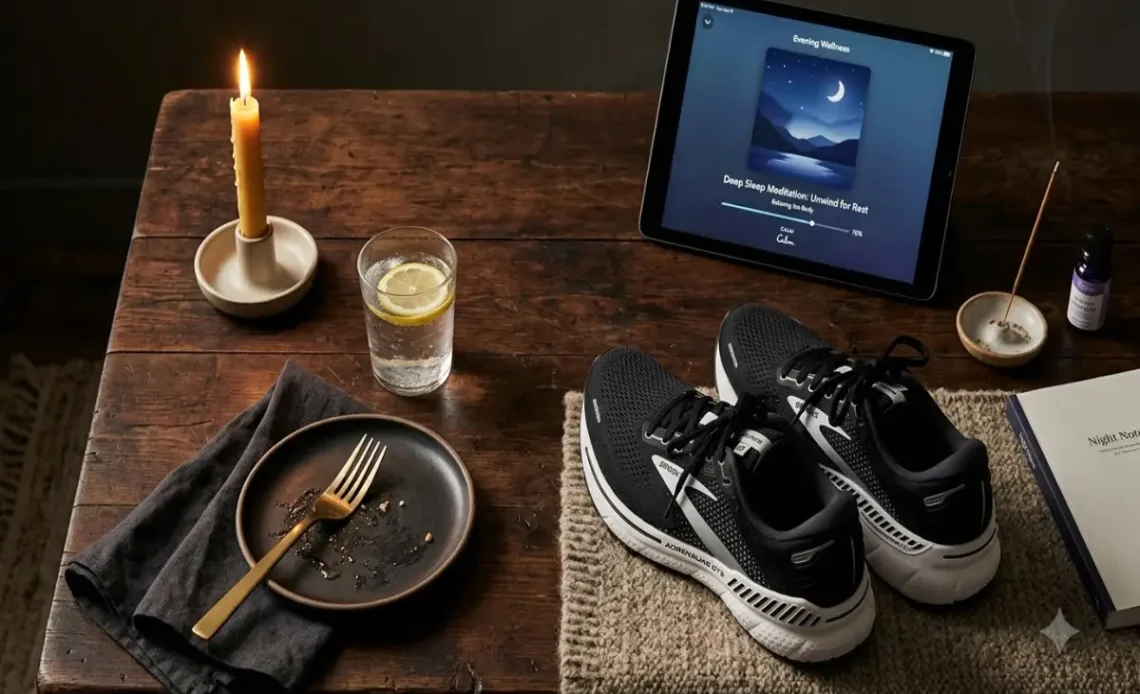
Shoes by the door or a pair of comfortable indoor shoes near the table remove one small barrier. The less friction, the more likely the walk happens.
If you use a continuous glucose monitor or check blood sugar, try the same dinner on two different evenings—one with the walk and one without. Seeing your own numbers respond is often more convincing than any study summary.
Who Benefits Most and Who Should Be Careful
People who feel heavy or bloated after dinner, those with blood-sugar concerns, and anyone who spends most of the evening sitting usually notice the clearest difference. Older adults who are less active during the day often find the evening walk particularly helpful for both comfort and overall movement.
If you have significant reflux, start slowly and stay on flat ground. If you take medication that can lower blood sugar, especially insulin or certain tablets, check with your doctor or diabetes educator about timing and any need to adjust. Short, light walks after dinner are generally low-risk, but individual situations differ.
Anyone with balance issues, recent injury, or other medical conditions should get personalized advice before making it a regular habit.
Making It a Natural Part of the Evening
Treat the walk like the next ordinary step after dinner rather than an extra chore. Clear the table, put on shoes, and step outside or start pacing. Ten minutes is enough to count.
Track how you feel for a couple of weeks: evening comfort, energy, sleep onset, and any blood-sugar notes if you monitor. The day-to-day improvements usually become the reason the habit continues.
On busy nights or when motivation is low, even five minutes is better than zero. The goal is consistency across most evenings, not perfection every single day.
A Balanced View
A post-dinner walk is a useful tool, not a complete answer to digestion or blood-sugar management. It works best alongside reasonable meals, overall daily movement, and any medical advice that applies to you. It will not cancel out a very large or rich dinner, but it reliably softens the after-effects for many people.
Results for comfort often appear the same evening. Improvements in average blood-sugar patterns build with regular practice over weeks.
Closing Thoughts
Dinner does not have to leave you feeling heavy and ready only for the couch. A short, easy walk afterward helps food move more comfortably, eases the blood-sugar rise that often follows the largest meal of the day, and gives the evening a calmer transition.
You do not need special gear, a long route, or high effort. Ten to twenty minutes at a pace that lets you talk is enough for most of the benefit. Start within about half an hour of finishing the meal when it feels comfortable, adjust for how full you are, and keep it gentle.
Many cultures treated this kind of evening stroll as ordinary good sense long before modern studies measured glucose curves and gut motility. The research now gives clearer numbers, but the basic idea remains simple: after dinner, get up and walk a little instead of sitting still.
Try it for a week or two and notice how your evenings feel. For a large number of people the difference in comfort and steadiness becomes its own reason to keep going. As always, this is practical information drawn from available evidence, not personalized medical advice. Check with your healthcare provider if you have specific health conditions or take medications that affect blood sugar or digestion. A short walk after dinner remains one of the easiest, most accessible habits for better evening comfort.