
 Sameena Fatima
Health & Wellness Content Writer
in
Sameena Fatima writes reader-focused
health and wellness content for
HealthBloomWeb, covering fitness,
nutrition, healthy lifestyle and
everyday wellness topics.
Sameena Fatima
Health & Wellness Content Writer
in
Sameena Fatima writes reader-focused
health and wellness content for
HealthBloomWeb, covering fitness,
nutrition, healthy lifestyle and
everyday wellness topics.
 Mirza Ibrahim Ali Khan
Editorial & Content Reviewer
in
Mirza Ibrahim Ali Khan contributes to
HealthBloomWeb's editorial review process,
with a focus on content structure,
readability, search intent and overall
editorial quality.
Mirza Ibrahim Ali Khan
Editorial & Content Reviewer
in
Mirza Ibrahim Ali Khan contributes to
HealthBloomWeb's editorial review process,
with a focus on content structure,
readability, search intent and overall
editorial quality.
 Reyansh Sethi
Medical Reviewer
in
Reyansh Sethi contributes to the medical
review process at HealthBloomWeb, focusing
on clarity, responsible health context and
reader-friendly presentation of health
information.
Reyansh Sethi
Medical Reviewer
in
Reyansh Sethi contributes to the medical
review process at HealthBloomWeb, focusing
on clarity, responsible health context and
reader-friendly presentation of health
information.
Most people who want to manage their weight already know the basics: eat in a way that creates a modest calorie gap and move more. The hard part is doing those things consistently without feeling deprived or exhausted. A short walk after meals is one of the easiest ways to add movement that fits into ordinary days and supports weight goals without requiring a gym or long workouts.
This is not about claiming that a 15-minute stroll after lunch will melt fat overnight. The calorie burn from short post-meal walks is modest. What makes the habit useful is the combination of a little extra energy use, better blood-sugar steadiness (which can reduce hunger swings for some people), less time spent sitting, and the simple fact that it is easy to repeat day after day.
This article focuses on walking after eating specifically for weight management. We will look at realistic numbers, how the timing helps, what research suggests, practical ways to use it, comparisons, and how to build it into a sustainable routine.
How Walking After Meals Fits into Weight Management
Weight management comes down to energy balance over time. You need to use a bit more energy than you take in, or maintain a balance if the goal is simply not to gain. Walking after meals contributes in several small but practical ways:
- It burns a few extra calories at a time when many people would otherwise be sitting.
- It interrupts long stretches of sitting, which is linked to poorer metabolic health.
- Steadier post-meal blood sugar can mean fewer sharp hunger spikes later for some people.
- It creates a natural break after eating that sometimes reduces the urge for immediate second helpings or evening snacking.
- Because the walks are short and low-effort, people are more likely to keep doing them than they are to stick with longer or harder workouts.
None of these effects is dramatic on its own. Together, and repeated most days, they support the bigger picture of weight management.
Realistic Calorie Numbers
A person weighing around 70 kg (about 154 lb) walking at an easy pace burns roughly 3–4 calories per minute. At a slightly brisker but still conversational pace the number might rise to 4–5 calories per minute. So a 15-minute post-meal walk might use 45–75 calories, depending on body weight, pace, and terrain.
Do that after two or three meals and you are looking at 100–200 extra calories on many days. Over a week that can add up to the equivalent of a small daily deficit without any major change in diet or intense exercise. It will not replace the need for attention to food intake, but it is meaningful when stacked with other habits.
Heavier people burn a bit more; lighter people burn a bit less. Hills or a slightly faster pace increase the number. The exact figure matters less than the consistency.
What Research Suggests About Timing and Weight
Studies on post-meal walking have focused more on blood sugar and digestion than on long-term weight loss as the primary outcome. Still, several relevant findings appear:
- Short walks after meals improve post-meal glucose control more than the same amount of walking done at other times. Better glucose handling is linked to improved insulin sensitivity, which supports healthier body composition over time.
- Reducing prolonged sitting with light activity is associated with better metabolic markers that relate to weight regulation.
- People who build small, repeated movement habits often show better adherence than those who rely only on longer exercise sessions.
- Some observational and intervention work links regular walking (including post-meal patterns) with lower risk of weight gain and better maintenance after weight loss.
The strongest practical takeaway is that post-meal walks make daily movement more automatic. Automatic habits are the ones that survive busy weeks, travel, and low-motivation periods.
How Long and When for Weight Goals
For weight management the same ranges that help blood sugar and digestion work well:
| Goal or Situation | Timing After Meal | Duration per Walk | Frequency | Expected Contribution |
| General weight management | 10–30 minutes | 10–20 minutes | After 2–3 meals most days | Modest daily calorie use + better adherence |
| Stronger emphasis on deficit | As soon as comfortable | 15–25 minutes | After lunch and dinner | Higher weekly total |
| Maintenance / preventing regain | 10–20 minutes | 10–15 minutes | Daily after largest meal | Habit support and metabolic steadiness |
| Limited time or low fitness | 15–30 minutes | 8–12 minutes | Start with one meal | Builds consistency first |
| Higher body weight or joint concerns | 15–30 minutes | 10–15 minutes, flat ground | Most days | Lower impact, still useful |
You do not need to walk fast. An easy pace is enough for the calorie contribution and the metabolic benefits. If you enjoy a slightly brisker pace and it feels comfortable, that increases the energy use a little.
Walking After Lunch vs Walking After Dinner for Weight
Both help. Lunch walks can reduce afternoon energy dips and the urge to snack before dinner for some people. Dinner walks are often easier to fit in and may help with evening calorie control by creating a clear end to the eating period.
Many people find the highest practical impact comes from walking after the largest meal of the day, which is often dinner. Combining both lunch and dinner walks multiplies the weekly total without requiring large blocks of time.
Practical Ways to Use Post-Meal Walking for Weight Management
Start with one meal. Dinner is usually the simplest because the evening allows more flexibility. Once that feels automatic, add lunch if it fits your schedule.
Keep expectations realistic. The walks support a calorie deficit; they do not create a large one by themselves. Pair them with attention to portion sizes, protein and fiber at meals, and overall daily movement.
Use the walk as a boundary. Some people find that getting up and walking after eating reduces the automatic reach for dessert or extra servings. The physical act of leaving the table creates a pause.
Track what matters to you. For some that is the scale or measurements over weeks. For others it is how clothes fit, energy levels, or simply the number of days the walks happened. Weekly consistency is more useful than daily perfection.
Indoor options remove weather as an excuse. Hallway pacing, walking in place, or a treadmill at an easy setting all count.
If you already walk at other times of day, keep those walks and simply add the short post-meal ones. The combination is stronger than either alone.
Sample Weekly Approach
A realistic starting pattern for many people:
- Most days: 10–15 minute easy walk after dinner.
- On days with more flexibility: add a 10–15 minute walk after lunch.
- One or two days a week: slightly longer walk (20–30 minutes) after one meal if energy and schedule allow.
- Rest or very light days are fine. The goal is a high number of days with some post-meal movement, not intensity.
Over a month this pattern can add several thousand extra steps and a meaningful number of calories without feeling like a major lifestyle overhaul.
Comparisons That Matter for Weight Goals
Post-meal walking vs one longer daily walk
A single 30–45 minute walk is excellent. Adding short post-meal walks on top of it increases total daily movement and targets the post-eating window. If time is limited, three 10–15 minute post-meal walks can be easier to fit than one long block and still deliver solid weekly volume.
Walking vs other post-meal activities
Light cycling, marching in place, or body-weight movements also help. Walking wins for most people because it requires no equipment and can be done almost anywhere.
Focusing only on post-meal walks vs overall activity
Post-meal walks are a helpful piece. They work best when the rest of the day is not completely sedentary and when food intake is reasonably aligned with goals.
Who Benefits and Practical Cautions
People who sit a lot after meals, those who struggle with evening snacking, and anyone looking for a low-barrier way to increase daily movement usually see the most practical value. The habit is joint-friendly for most and scales well across fitness levels.
If you have joint pain, start with shorter durations and flat surfaces. Supportive shoes help. Anyone with medical conditions that affect walking or balance should check with a doctor or physical therapist. For people using medications that affect blood sugar, short post-meal walks are generally well tolerated, but individual advice is wise.
Making the Habit Sustainable
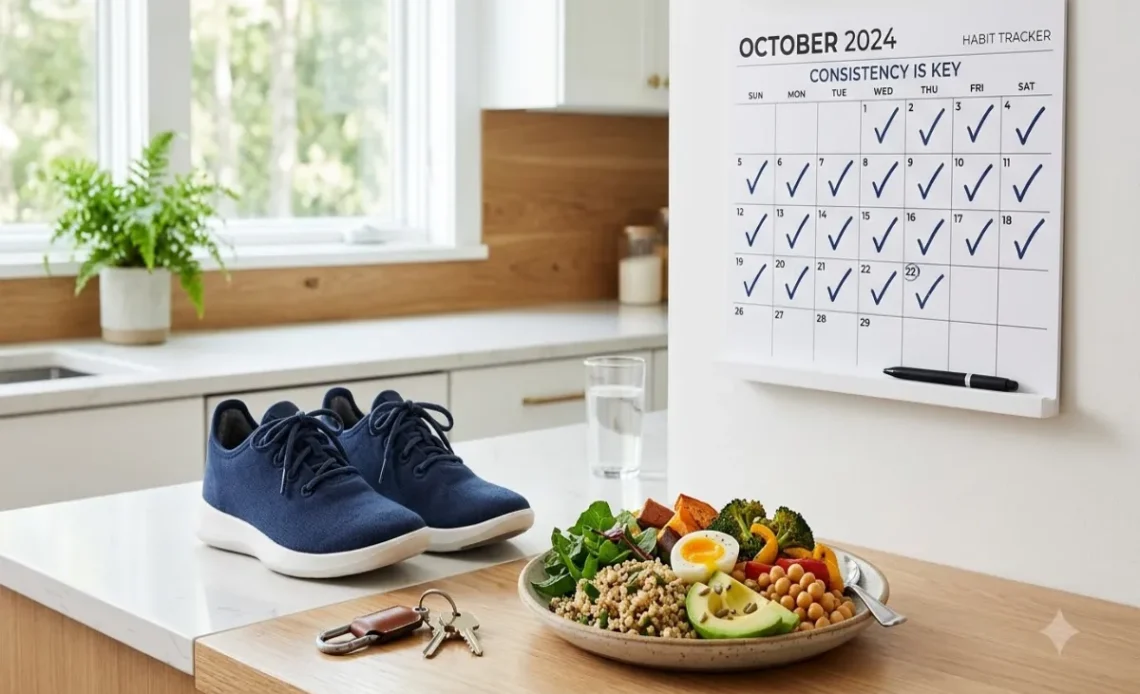
The biggest advantage of post-meal walking for weight management is that it is easy to repeat. Hard workouts and strict diets often fail because they demand too much willpower every day. A 10–15 minute walk after eating demands very little.
Link it to an existing habit: finish the meal, clear the plate or stand up, put on shoes, and go. The fewer decisions required, the more likely it happens.
Notice the non-scale benefits. Better evening comfort, steadier energy, and the feeling of having done something positive after eating often matter more for long-term adherence than the exact number of calories burned.
Adjust as life changes. Travel, busy seasons, or low-energy periods are normal. Keep the walks short and easy rather than abandoning them completely.
A Balanced Perspective
Walking after eating is a supportive habit for weight management, not a complete solution. It will not overcome a large ongoing calorie surplus. It works best as one reliable piece alongside food awareness, overall daily movement, sleep, and any professional guidance you use.
The calorie contribution is real but modest. The adherence advantage and the metabolic steadiness are often the larger practical benefits. Over months and years those small daily choices compound.
Closing Thoughts
Managing weight is rarely about one dramatic change. It is usually about a collection of sustainable actions that tip energy balance in the right direction and keep it there. A short walk after meals is one of the simplest actions available.
It burns a few extra calories when you might otherwise be sitting. It supports steadier blood sugar for many people. It creates a natural pause after eating. And because it is short and gentle, it is realistic to do on ordinary days.
Start with one meal—often dinner—and keep the walk easy. Ten to twenty minutes is enough. Add more meals or a few extra minutes when it feels natural. Track consistency more than perfection.
Many people find that once the habit is in place, it becomes an ordinary part of the day rather than something they have to force. That is the real advantage for weight management: a movement practice that survives real life.
This information is drawn from available research and practical patterns. It is not personalized medical or nutrition advice. Individual needs vary, especially with existing health conditions or medications. A short walk after eating remains one of the most accessible tools for supporting weight goals over the long term.