
 Sameena Fatima
Health & Wellness Content Writer
in
Sameena Fatima writes reader-focused
health and wellness content for
HealthBloomWeb, covering fitness,
nutrition, healthy lifestyle and
everyday wellness topics.
Sameena Fatima
Health & Wellness Content Writer
in
Sameena Fatima writes reader-focused
health and wellness content for
HealthBloomWeb, covering fitness,
nutrition, healthy lifestyle and
everyday wellness topics.
 Mirza Ibrahim Ali Khan
Editorial & Content Reviewer
in
Mirza Ibrahim Ali Khan contributes to
HealthBloomWeb's editorial review process,
with a focus on content structure,
readability, search intent and overall
editorial quality.
Mirza Ibrahim Ali Khan
Editorial & Content Reviewer
in
Mirza Ibrahim Ali Khan contributes to
HealthBloomWeb's editorial review process,
with a focus on content structure,
readability, search intent and overall
editorial quality.
 Reyansh Sethi
Medical Reviewer
in
Reyansh Sethi contributes to the medical
review process at HealthBloomWeb, focusing
on clarity, responsible health context and
reader-friendly presentation of health
information.
Reyansh Sethi
Medical Reviewer
in
Reyansh Sethi contributes to the medical
review process at HealthBloomWeb, focusing
on clarity, responsible health context and
reader-friendly presentation of health
information.
Making healthy foods & food choices does not mean going on a rigid diet or abstaining from all the foods you like. At the forefront is of adopting a eating pattern with many different food types and food groups high in many nutrients as a part of it: those rich in protein, fibres, vitamin as in mineral sources and healthy fat. However limiting the consumption of added sugars in addition to high intake of sodium, added sugar in addition to processed food. So in2026 a healthy eaten continues in essence based on diversity vegetable, fruits whole grains in addition healthy proteins sources unsaturated food fats.
What AreGood foods?
Healthy foods are the ones that offer crucial nutrients in terms of the calories. They can help contribute to your system providing you with protein, fiber, vitamins, minerals and vital fatty acids.
Instead of depending on one so-called “superfood,” we should consume a good selection of foods. Examples include:
- Fruits and vegetables. The more common grains are oats, wheat, rye, spelt and barley. Beans, peas, and lentls; and other forms of pulses.
- Ocean fish, eggs, other poultry, lean meats
- Nuts and seeds.
- Plain yogurt and other healthy dairy foods
- Healthy plant oils
Fresh foods make for good choices but frozen, canned or dried fruits and vegetables can often be just as good (but be sure to check for sugar content or less sodium).
7 Healthiest Foods to Include in Your Diet
Top 7 healthiest foods in your diet While there’s no magic bullet, consuming a range of these nutritious foods instead of isolating one item will give your body more benefits.
1. Vegetables
Common vegetables are spinach, broccoli, carrots, tomatoes, green pepper and cauliflower. Vegetables are a source of various vitamins, minerals, fiber, and phytochemicals like antioxidants.
Ideally the vegetables could be consumed on your evening and or lunch, or snack.
2. Fruits
For any variety of fruit whether apple, berry, or orange, banana, guava, you’d get from eating, are the source of carbs, vitamins, minerals as well as fiber.
3. Whole Grains
Whole Grains Add oats, whole-wheat bread, brown rice, barley, quinoa or other whole grains to the diet to receive fiber and nutrients. Selecting entire grains as part of a menu instead of refined grains should be an obvious step in increasing dietary quality. Dietary guidelines by AHA 2026 are as follows: people shall include whole grain foods than refined grain foods.
4. Healthy Protein Sources
Protein helps support muscles and many other functions in the body. Healthy protein sources include:
- Eggs
- Fish and seafood
- Any skinless poultry
- Beans
- Lentils
- Chickpeas
- Tofu and other soy products
- Nuts and Seeds.
- Plain yogurt
The received wisdom however is to not eat too much of any one particular food, but instead try and mix up the proteins.
5. Nuts and Seeds
Nuts and seeds Almonds, walnuts, peanuts, chia seeds, flaxseeds and pumpkin seeds. Peanuts can also give you high amounts of polyunsaturated fats over other types of nuts. Flaxseeds give very little in terms of protein. Avoid salt ones and watch quantities asnuts and seeds are rich in calories.
6. Healthy Fats
Healthy fats include primarily unsaturated fats found in foods such as:
Extra virgin olive oil: The most common primary product in the marketplace today. “Virgin” is the label you want, as this indicates a fresh product.
- Avocado
- Nuts
- Seeds
- Fatty fish (such as salmon, sardines, and mackerel)
The American Heart Association advises to replace sources of saturated fat, whenever possible, with unsaturated fats.
7. Plain Dairy and Fortified Alternatives
Plain yoghurt, milk, and suitable fortified dairy alternatives can add protein and other nutrients. Sugar content can easily be added to flavored dairy products.
What are Nutrient Dense Foods?
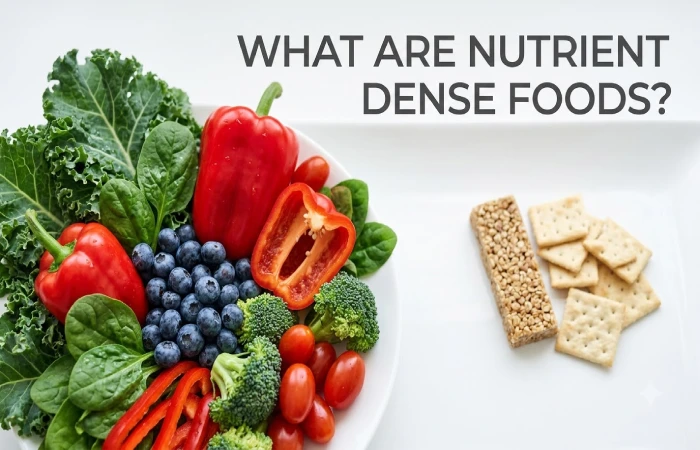
It is a term that is utilized by diet and nutrition to identify some foods which are packed with vitamins and minerals, but are poor in calories. To identify it more, that nutrient dense foods have great quantities of good things per calorie and very litle if nothing added.
This includes fibre, vitamins, minerals as well as beneficial compounds.
How Can I tell if A Food is Nutrient Dense?
A high in nutrient content meals offers great deal of nutrients such as vitamin or minerals, protein or fiber at a cost per calorie low without excessive sodium and added sugar.
For example:
| Food group | Nourishing choices |
| Fruits | Berries, oranges, apples, guava |
| Vegetables | Spinach, broccoli, carrots |
| Protein | Eggs, fish, beans, lentils |
| Grains | Oats, quinoa, brown rice |
| Healthy fats | Nuts, seeds, olive oil |
| Dairy | Plain yogurt, milk |
Think about the overall quality and diversity of your diet instead of focusing on one nutrient.
Healthy Food Choices: Easy Swaps
By making small modifications, healthy eating is more manageable without having to completely eliminate the foods you like.
| Instead of | Try |
| Sugary breakfast cereal | Oatmeal with fruit |
| White bread | Whole-grain bread |
| Chips | Unsalted nuts or roasted chickpeas |
| Sugary yogurt | Plain yogurt with fruit |
| Sugary drinks | Water or unsweetened beverages |
| Refined grains | Whole grains |
| Deep-fried foods | Baked or grilled alternatives |
| Candy or cookies every day | Whole fruit |
The ultimate goal is not perfection. Just take the time over and over again to make better choices, and eventually, it will enrich your entire diet.
Healthy Snacks for Between Meals
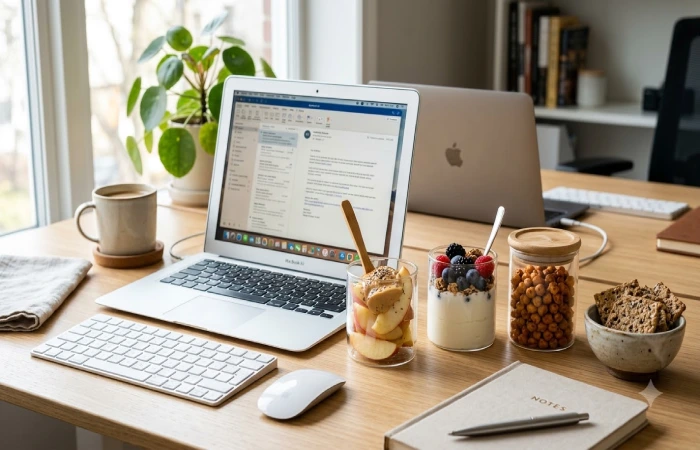
Opt for healthy snacks Which can prevent you from turning to a powerful highly processed snack once you are hungry.
Some healthy snacks include:
- Having Apple with unsalted peanut butter
- Plain yogurt with berries Carrots or cucumbers. 2-3 unsalted nuts Roasted chickpeas High Quality Carbohydrate source Whole grain crackers Fresh fruit Fresh Fruit Fresh Egg
The CDC suggests storing healthy snacks at your workplace or home and dividing snacks into a bowl or container rather than eating directly from the bag.
How to Make Better Food Choices
Try one of these easy habits when your meal planning or preparing to go shopping:
- Include a decent amount of fruits and veggies in your diet everyday. If your children see you having a large portion of fruits and veggies in your meal (and they are enjoying them), then they are very likely to take some on their plates with their meals too. Add a source of protein to the fruits and vegetables.
Whole grains are important!
Make healthy choices with your snacks. Opt for food items high in fat and fiber. Lower sugar snacks. Cut back on foods and beverages with added sugars. - Monitor sodium; this often means cut back on processed foods .
- Prioritize less processed options. Eat smart as part of a whole; When selecting between packaged goods, compareNutrition Labels. Portion control.
Nutrition labels. Use these the next time you are buying a packaged food to compare amount sizes, calories, and saturated fat, sodium, added sugars, and all the other nutrients.
Healthy Foods for a Balanced Meal
The simple way of building a balanced meal is to put together a big bunch of a variety of foods. For example:
- Breakfast: Oatmeal + berries + nuts + plain yogurt
- Lunch: Brown rice + dal + vegetables mixed together + plain (full fat) curd.
- In the snacking department: Apple + some nuts (roughly a small handful)
- Dinner: Grilled fish, beans+ Vegetables, an integrable
This gives us a balanced diet without any need for a complex diet plan.
Foods to Limit
Foods to Limit Healthy eating doesn’t mean restricting all types of foods. Although, you should try to avoid foods with additional sodium, sugar, saturated fat, and those that have been highly processed.
Examples include:
- Those in Sugar sweetened drinks
- Confectionery and confectionary
- Highly processed snack foods…
- Cheap, boxed meats, preferably pre-cooked. For example, ham, bacon, sausages, frankfurters, liver, etc. You could also include potted meats, spam, etc.
- Deep fried food
- Sodium rich foods.
- Products high in added sugar
According to the American Heart Association [Guidance, 2026], the consumption of added sugar and sodium should be reduced and selected fresh or minimally processed foods then of ultra-processed foods.
Bottom Line
The best healthy foods & food choices are not about any one perfect food. Rather tailor your eating habits to consist of a mix of veggies as well as fruit, several whole grains, wholesome proteins, wholesome fats, as well as various other nutritionally sound foods. To make changes begin small, always keep healthy snacks available, and also make use of your food labels on labels and also lessen your consumption of foods with added sugar, sodium, saturated fat, as well as numerous chemicals. When the idea involves healthy, consuming healthy, know that no one is ever before best it s concerning doing your best on a daily basis.