
Written By:Sameena Fatima
Reviewed By:Mirza Ibrahim Ali Khan
Medical Reviewed By:Reyansh Sethi
Published on:Aug 5, 2026
Last Updated on:Aug 24, 2026
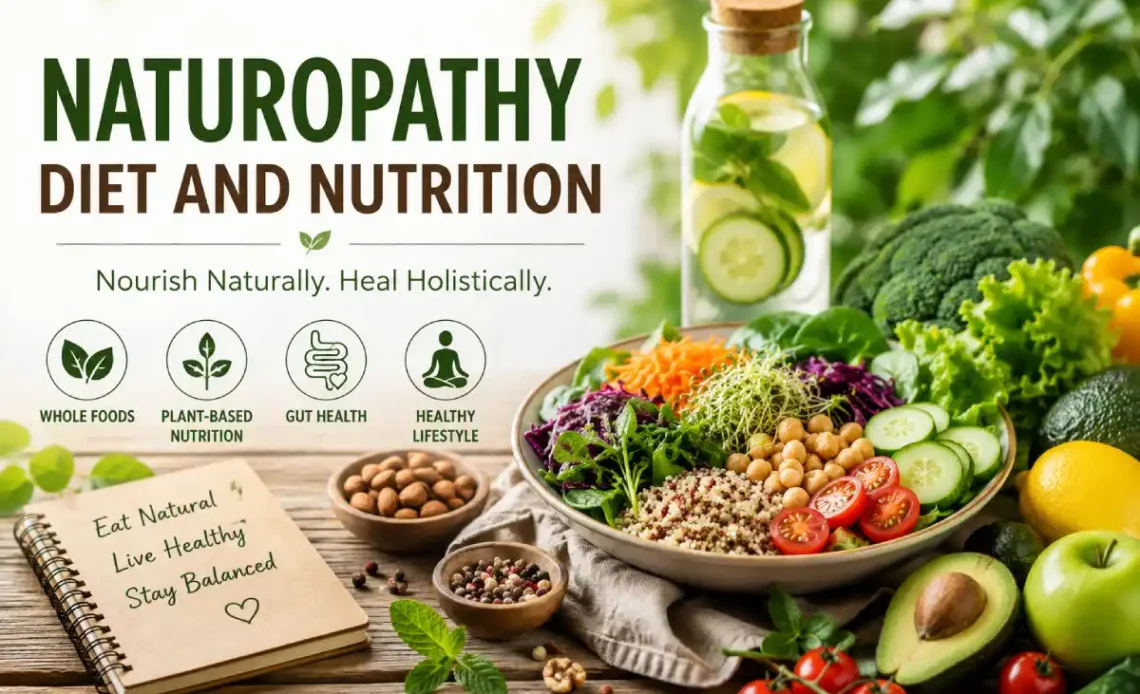
A naturopathy diet and nutrition plan prioritizes feeding your body good natural, less refined foods to optimize its innate healing potential. This naturopathic approach doesn’t simply restrict but encourages a return to balanced, whole foods; enjoyment of plant-centric diets; gut restore mechanisms; inclusion of detox supportive foods; and anti inflammatory phenomena consistently in your day-to-day life for permanent health. Whether you want to achieve optimal digestion, weight loss or energy – these principles can be the foundation of a healthier life.
Naturopathy Diet and Nutrition
Naturopathy sees you as an individual and treats the root cause not the symptoms. Nutrition is a key element as it affects energy levels, immune health, digestive function and overall well-being.
Instead of calorie counting, naturopathic nutrition involves: • Fresh foods (wholefoods or fresh foods that have not been significantly processed.
- More fruit and veggies
- More whole grains.
- Healthy fats.
- Good protein intake.
- Adequate fluid intake.
- Less refined sugar
- Processed foods.
We should aim to formulate a sustainable pattern of eating that inhibits the body’s natural healing capacity.
Core Principles of a Naturopathy Diet Plan
A well-balanced naturopathy diet plan should be founded on several basic tenets.
- Eat Whole Foods
- Whole foods retain their natural nutrients and fiber. Examples include:
- Fresh fruits
- Vegetables
- Whole grains
- Beans and lentils
- Nuts and seeds
- Natural herbs and spices
- MyPlate. These foods supply important nutrients such as vitamins, minerals, antioxidants and fiber.
Embrace Plant-Based Nutrition
Plant based doesn’t have to mean vegetarian. It implies eating more plant foods and less highly processed animal products.
Benefits include:
- Better digestion
- Improved heart health
- Lower inflammation
- Higher fiber intake
- Better weight management
Support Gut Health Naturally
A healthy colon is the cornerstone of naturopathic health.
Foods that promote gut health include:
- Food Benefit
- Yogurt containing active cultures. Helps promote the growth of good bacteria.
- Kefir Rich in probiotics
- Sauerkraut Fermented source of probiotics
- Kimchi Promotes microbial diversity
- Oats High in prebiotic fiber
- Garlic Feeds healthy gut bacteria
- Bananas Natural prebiotic
Eating a balanced diet that balances the gut microbes may help digestion, boost your immune system and make you feel better.
Include Anti-Inflammatory Foods
Chronic inflammation is linked to many chronic health conditions. Implementation of a naturopathic eating pattern is an anti-inflammatory diet.
Foods commonly recommended include:
- Berries
- Leafy greens
- Turmeric
- Ginger
- Olive oil
- Walnuts
- Flaxseeds
- Eat good, low-fat fish to get all the necessary nutrients (if it’s part of your diet)
These foods are rich in antioxidants and healthy fats that help support good health.
Choose Detox Foods Wisely
The body detoxes itself naturally in the liver, kidneys, lungs and bowel. Instead of severe detox regimens, naturopathy promotes the consumption of nutrient-rich detox foods which are good for these organs.
Examples include:
- Beets
- Broccoli
- Cabbage
- Lemon
- Cucumber
- Spinach
- Green tea
- Apples
Proper intake of water and high fiber foods will facilitate the normal elimination processes in our body.
Sample One-Day Naturopathy Diet Plan
One sample day-by-day menu.
- Meal Foods
- Breakfast Oatmeal with berries, chia seeds and almonds
- Mid-Morning Apple and walnuts
- Lunch Quinoa salad of chickpeas, spinach and cucumber with olive oil dressing
- Snack Plain yogurt with flaxseeds
- Dinner Grilled veg and brown rice and lentil curry
- Evening Herbal tea
This meal plan provides fiber, healthy fats, plant protein, and a variety of vitamins and minerals.
How Naturopathic Nutrition Supports Weight Management
There isn’t one “weight loss diet”, but naturopathic nutrition could help by promoting:
High-fiber meals that increase fullness
Stable blood sugar eating unprocessed or unrefined foods.
Reduced intake of ultra-processed foods
Regular meal timing
Lifestyle activities associated with good health : rest, exercise, and management of stress.
The best way to lose weight is by making long-term lifestyle adjustments instead of following restrictive diets.
Healthy Lifestyle Habits That Complement Nutrition
Nutrition is most effective when integrated into good routine.
Consider:
- Walking or regular physical activity
- Work out the strength
- Stay enough hydration
- Sleep for 7-9 hours
- Using meditation or yoga to deal with stress
- Avoiding smoking
- Limiting alcohol intake
These habits, in conjunction, promote general good health as well as work well with a naturopathic stance.
Common mistakes to avoid
If embarking on a naturopathy diet, here are some things to generally avoid:
- Doing harsh detox cleanses.
- Elimination of whole food groups without doctor consult.
- Over-reliance on supplements over actual food.
- Skipped meals.
- Sugary drinks.
- Ignoring portion sizes.
No matter your personal situation, generally a balanced diet consisting of a variety of healthy foods will ultimately be easier to maintain long-term than the elimination-style diet.
When to See a Specialist
If this list reflects a desire to stick with a personalised approach to healthy eating – whether to help manage a specific condition or simply to refine your routine, register this as an appropriate reason to seek professional advice from a dietitian or naturopath that can help you create a diet plan
Customised to your needs:
- Diabetes
- Kidney
- Heart disease
- Digestive illness
- Food Allergies
- Pregnancy nutrition considerations
It can indeed save you a lot time, and in some cases, much grief when seeking the added professional insights and personal touch before implementing dietary modifications or supplements.
Frequently Asked Questions
Naturopathy diet for weight loss?
It can help with Healthy Weight Management by developing a focus on healthy food choices, eating plenty of fibre and incorporating manageable lifestyle changes.
Is it possible to do a naturopathy diet if I eat meat?
Yes. Many naturopathic schemes will recommend eating moderate quantities of lean chicken, fish or low impact meat proteins and higher quantities of plant foods.
Are detox diets essential?
Most professionals agree that the body is equipped with detoxing systems. As a general rule, a nutritionally balanced regime containing plenty of fresh fruit, vegetables and wholegrain foods, with adequate water intake is preferable to extreme detox diets.
How do I determine whether I need supplements?
Not all. The on the other hand is the ideal person to give guidance on supplements, considering your individual nutritional needs.
Conclusion
A naturopathic diet and nutrition program would include nourishing the body with whole food, plant based nutrition, gut healing foods, detox supporting foods, and anti-inflammatory diets. When combined with exercise, quality sleep, stress reduction and other healthy lifestyle behaviors this type of program can support health and well-being, and weight loss goals. Focus on establishing the healthy, sustainable eating habits instead of seeking a quick fix program.