
Written By:Sameena Fatima
Reviewed By:Mirza Ibrahim Ali Khan
Medical Reviewed By:Reyansh Sethi
Published on:Aug 5, 2026
Last Updated on:Aug 24, 2026
Introduction
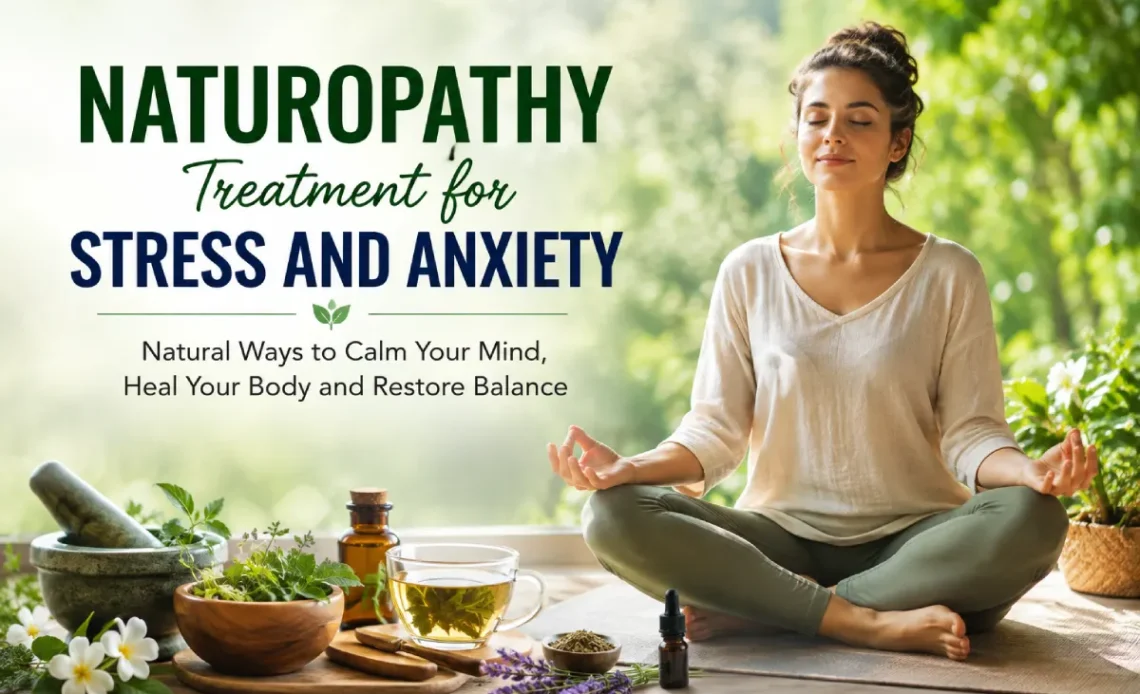
Naturopathy treatment for stress and anxiety is being used more and more as an alternative way of dealing with mental health issues using natural lifestyle changes. In giving naturopathy treatment, we are not only aiming to alleviate the symptoms of anxiety, but attempting to rectify underlying causes such as sleep deprivation, nutritional deficiencies, ongoing stress and poor lifestyle habits.
Can modern life lead to stress? Nowadays many people are under stress because of work, money, family or electronic overload. It is normal to be stressed sometimes, but if it occurs constantly, it can disturb sleep, concentration, mood, digestion, and the general quality of life. In case of unmanaged anxiety, everyday life, speaking to other people, professional and social activities can be disturbed.
Based upon individual cases, a qualified naturopathic practitioner may use a mix of treatments including tailored nutrition guidance, mindfulness, breathing exercises, relaxation therapy, exercise and specific herbal medicines to complement the patients’ natural health or medication.
What Does Natural Therapy for Stress and Anxiety Mean?
Naturopathy represents a holistic approach to health care and focuses heavily on prevention, education and lifestyle change. It does not involve just one treatment but looks at the whole picture including the mind, body and spirit, the nutrition and the environment and how we live our lives.
For stress management and anxiety relief, naturopathy commonly focuses on:
- The quality of sleep.
- Encouraging proper nutrition.
- Lowering a long-term stress level
- Promoting the habit of walking.
- Learning to relax techniques.
- Developing sustainable everyday routines.
- Promoting mental health and emotional well-being
It is not to help mask symptoms but to improve resilience and support general well being.
What are the effects of chronic stress on your body?
Hormones released in response to stress include cortisol and adrenaline. While these hormones aid the body in responding to unforeseen circumstances and short term stress, they may under the condition of prolonged release cause various physical and emotional symptoms.
Common Effects of Chronic Stress
Body System Possible Effects
- Brain Difficulty in concentrating, worries, irritability
- Sleeping problem 1 lot of trouble to sleep, waking many time during sleep3.
- Digestive System Constipation, diarrhea, nausea
- Heart higher heart rate, raised blood pressure
- Immune System Reduced immune function
- Muscles headaches, muscle tightness, neck pain
Addressing the lifestyle issues affecting stress may have the effect of helping to diminish its impact over time.
Is There a Chance that Naturopathy May Be Useful in Decreasing Stress and Anxiety?
Numerous therapies practiced by the naturopath are in accordance with healthy lifestyle habits endorsed by organizations such as the holistic healthcare network for stress management. Although outcomes differ from person to person, some therapies have been explored to evaluate their efficacy.
Evidence-Based Components
Therapy Potential Benefit Evidence Strength*
Mindfulness Meditation Enhanced stress control and better management of one‘s emotions Moderate-Strong
Yoga: Significantly decreased stress and anxiety symptoms. Moderate
Breathing Exercises: Short-term relaxation and a reduction in physiological stress Moderate
Healthy Diet Promotes good physical & mental health Moderate
Sleep enhancement, Improved mood and enhanced cognition, Strong
Herbal Medicine (professional guidance) May help some people but not for everyone Variable
*Evidence strength can be thought of as the overall consistence of studies within the published literature, it does not necessarily meant that individual study results will replicate.
Common Symptoms That May Benefit from Lifestyle-Based Stress Management
People often seek naturopathic care for concerns such as:
- Feeling overwhelmed.
- Hard time relaxing
- Sleep difficulties
- Mental exhaustion.
- Decreased energy.
- Musculocutaneous tension
- Digestive discomfort associated with stress
- Finding it hard to focus.
- Irritability
There are several reasons for these symptoms, so seek medical attention when symptoms are severe, persistent and getting worse.
Common Naturopathy Treatments for Stress and Anxiety
1. Nutrition Counselling
Nutrition is a fundamental of all naturopathic care. The practitioner may examine dietary and shopping habits and suggest modifications that will enhance health in general.
Common recommendations include:
- A lot of vegs and fruits.
- whole grains.
- Lean proteins.
- Healthy fats derived from nuts, seeds and fish.
- More than just thirst, right hydration.
- Processed foods.
- Coming off too much caffeine if it increases anxiety
- Reduce alcohol consumption
Foods That May Support Emotional Wellness
Include More Often Limit If They Trigger Symptoms
- Leafy vegetables. Addicted to soft drink.
- Whole grains. It is these snacks that are most highly processed.
- Fatty fish Excess caffeine
- Yogurt and other fermented foods Too much alcohol
- Berries Fast food Snacking / Fruit is eaten most often at a fast food meal.
- Nuts and seeds Higher in sugar content desserts
An eating pattern that is balanced can benefit overall health and potentially provide improved energy and mood.
- Mindfulness Meditation
The practice of Mindfulness involves focusing one‘s attention on the present moment non-judgmentally. Most people find that the more they practice the easier it is to react to stressful situations with greater equanimity.
Beginners can start with:
- Five to ten minutes a day
- Recorded or app-based guided meditation
- Practice of breathing quietly.
- Body scan meditation.
Potential benefits include:
- Greater emotional insight. Decreased perceived pressure
- Enhanced concentration
- Feelings of greater calmness.
- It is easier to meditate regularly for a short while in comparison to doing a long practice.
3. Breathing Exercises
Breathing exercises are straightforward techniques that may activate the relaxation response of the body during stress.
Others centered on ways of breathing (e.g. diaphragmatic or deep belly breathing).
Basic Steps
- Make yourself comfortable with your shoulders in a relaxed position.
- Breathe in through the nose at a slow, steady pace.
- Allow your abdomen to swell.
- Breathe out softly through your mouth.
- Repeat for five to ten minutes.
A lot of people use breathing exercises as a pre-meeting activity; large stress inductions; or just ready for bed.
4. Sleep Improvement
Sleep and stress have a bidirectional relationship. Stress can also lead to poor sleep.
Simple sleep habits include:
- Going to bed each night at the same time/ Consisting of going to bed at the same time each evening
- Floor: Keeping The bedroom cool, dark, and silent.
- Not looking at screens. The light emitted from computers, TV‘s and mobile phones is known to suppress melatonin, which affects sleep cycle. Therefore, avoiding electronic devices an hour before bed may improve sleep quality.
- Restrict caffeine intake to earlier in the day.
- Creating a relaxing bedtime routine.
Better sleep supports mood, concentration, and emotional strength.
5. Yoga and Gentle Exercise
Physical activity is a vital aspect of naturopathy treatment for stress and anxiety, as the body and mind both derive benefits from movement. For example, physical activity promotes the production of endorphins, the body‘s naturally occurring “feel good” chemicals, and may help with muscle relaxation.
Yoga a gentle form of exercise that integrates movement and awareness of breathing and feeling is frequently used as a complementary therapy to fight stress.
Beginner-Friendly Yoga Poses
- Child‘s Pose (Balasana)
- Cat-Cow Stretch
- Mountain Pose (Tadasana)
- Legs-Up-the-Wall Pose
- Corpse Pose (Savasana)
If you practice yoga for 20–30 minutes three to five times a week, that can lead to increased flexibility, relaxation, and overall feeling of improved health.
Benefits of Yoga
Benefit How It Helps
- Relieves muscle tightness. Encourages the being to relax its body.
- Enhancement of breathing breathing, induces relaxation
- Improves sleep 14 Supports a bedtime routine10
- Enhances mindfulness Boosts emotional consciousness
- Enhances flexibility
Tip: For beginners, choose beginner classes or guided videos, and begin with easy movements that are suitable for your current level of fitness.
6. Herbal Medicine
Herbs also constitute one of the most popular treatments used by the naturopath. The use of herbs should, however, only be undertaken by a trained professional as they may be harmful or contraindicated
Common Herbs Used in Naturopathic Practice
Herb Traditional Use Important Considerations
- Ashwagandha Provides support for resilience to stress May interfere with the effectiveness of thyroid or sedative drugs.
- Chamomile Great relaxant, Avoid if allergic to plants from the daisy family
- Lavender Supports relaxation Often applied as aromatherapy or used as a tea
- Lemon Balm May aid in lowering nervousness May make some people sleepy
- Passionflower Used traditionally as an anxeity agent. Consult healthcare professional before use.
- Herbal supplements should never be used as a substitute for prescribed treatment. Consult your practitioner before taking supplements, particularly if you are pregnant or breast feeding or taking any medication.
7. Hydrotherapy
The use of water at various temperatures to relax and/or feel comfortable. Although research results have been mixed, many people have found therapies which use warm-water to be relaxing.
Examples include:
- Efficacy of warm baths
- Contrast showers.
- Foot soaks.
- Warm compresses
Hydrotherapy is used in conjunction with contemporary or Holotropic breathing exercises by meditation practitioners on their morning relaxation schedule.
Conclusion
Naturopathy- Treatment for stress and anxiety Naturopathy disease management program for stress and anxiety is a comprehensive treatment and improvement of health due to restoration and maintenance of a healthy body and mind using a combination of nutrition, mindfulness, breathing exercises and relaxation therapy, a healthy sleeping pattern, and regular exercise.2 Instead of providing a symptomatic management, naturopathy treatment strengthens the body‘s capacity to cope with normal stress situations while enhancing long-term emotional health.
In many cases, getting the best outcome is to combine healthy living practices with treatment through a healthcare or mental health care professional. If you have serious ongoing symptoms that impact on your functioning, ask your primary care physician to refer you to a suitably qualified mental health, medical or clinical care professional for individual treatment planning.