
 Sameena Fatima
Health & Wellness Content Writer
in
Sameena Fatima writes reader-focused
health and wellness content for
HealthBloomWeb, covering fitness,
nutrition, healthy lifestyle and
everyday wellness topics.
Sameena Fatima
Health & Wellness Content Writer
in
Sameena Fatima writes reader-focused
health and wellness content for
HealthBloomWeb, covering fitness,
nutrition, healthy lifestyle and
everyday wellness topics.
 Mirza Ibrahim Ali Khan
Editorial & Content Reviewer
in
Mirza Ibrahim Ali Khan contributes to
HealthBloomWeb's editorial review process,
with a focus on content structure,
readability, search intent and overall
editorial quality.
Mirza Ibrahim Ali Khan
Editorial & Content Reviewer
in
Mirza Ibrahim Ali Khan contributes to
HealthBloomWeb's editorial review process,
with a focus on content structure,
readability, search intent and overall
editorial quality.
 Reyansh Sethi
Medical Reviewer
in
Reyansh Sethi contributes to the medical
review process at HealthBloomWeb, focusing
on clarity, responsible health context and
reader-friendly presentation of health
information.
Reyansh Sethi
Medical Reviewer
in
Reyansh Sethi contributes to the medical
review process at HealthBloomWeb, focusing
on clarity, responsible health context and
reader-friendly presentation of health
information.
Alternatives to Sleep Apnea Surgery: Best Non-Surgical Sleep Apnea Treatments
Alternatives to Sleep Apnea Surgery: Non-Surgical Treatment Options. As well as asking how we treat sleep apnea with an operation, we get asked an awful lot how people with OSA can be treated without having surgery. Although surgical treatment may be indicated in some patients with anatomical abnormalities of the airway, many patients derive great benefit from the non-surgical approaches of CPAP, oral appliance therapy, lifestyle changes and weight loss.
This Article is the Part of Sleep Improvement
As with most medical conditions, the best sleep apnea treatment depends on the individual, the severity of their sleep apnea, as well as considering the airway anatomy, general health and personal preference. It is a good idea to be aware of the possible non surgical sleep apnea treatment options available to allow the patient to discuss the options with their health care provider.
Are you still looking at other options beside sleep apnea surgery? If you are, you may want to see how surgery measures up to other non-surgical options. You should also view our comprehensive sleep apnea CPAP vs sleep apnea surgery comparison report in order to get a sense of efficacy, comfort, treatment compliance in the long term, and if treatment would be the best choice for your condition.
Can Sleep Apnea Be Treated Non-Surgically?
In most cases, the various types of sleep apnea can be successfully treated without the need for surgery. The primary non-surgical approach for sleep apnea. Sleep Apnea Surgical Treatments Surgery is not always the best course of treatment but might be necessary if the other forms of sleep apnea treatments are unsuccessful, the airway blockage is localized or if there is a deformity of the face or nose that is causing the collapse of the airway.
Non-surgical treatments focus on:
- Airway patency control during sleep
- that helps breathing to be better
- airway narrowing is18- How do you reduce narrowing of the airways?
- Controlling modifiable risk factors (eg obesity
- Enhancing sleep quality and symptoms during the day
- For many patients, a combination of approaches offers the most effective solution.
Best Alternatives to Sleep Apnea Surgery
1. CPAP Therapy: The Most Effective Non-Surgical Treatment
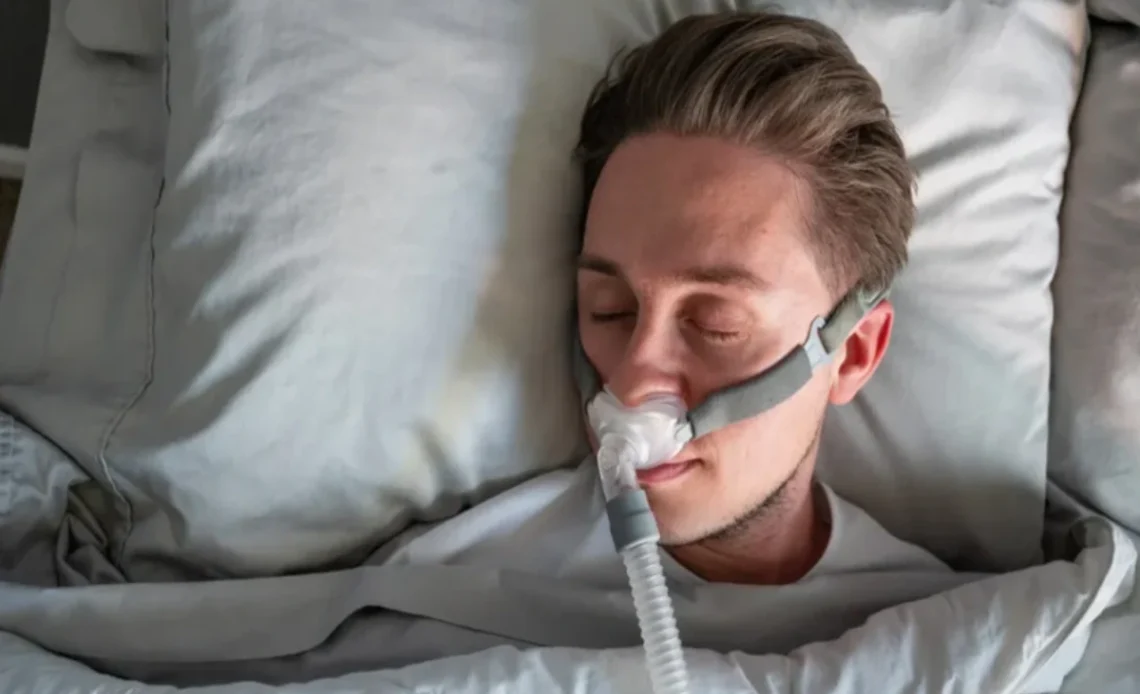
CPAP is the standard treatment for moderate to severe OSA.
A CPAP (Continuous Positive Airway Pressure) machine blows a continuous force of air through the mask to ensure the airway dose not collapse when you are asleep.
Benefits of CPAP:
- Helps to reduce interruptions to breathing during sleep
- Enhances oxygen status
- Reduces daytime drowsiness
- Lessen noisy snoring
- Enhances sleep quality
Limitations:
Some people experience:
- Distraction from the Masking sensation
- dry mouth or nasal irritation
- had problem with getting used to wearing the device
Advances in newer CPAP equipments include better masks with more comfortable fit and automatic pressure which aimed to provide for easier setup for long-term users.
2. Oral Appliance Therapy for Sleep Apnea
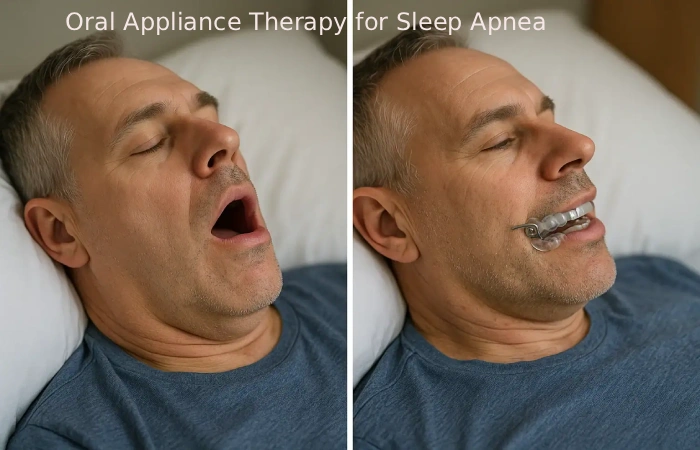
There are a variety of alternative therapies. When CPAP isn’t tolerated or for patients with mild-moderate sleep apnea, oral appliance therapy is the second most frequently used treatment.
These devices are individually crafted for your teeth and used to change the position of your lower jaw or your tongue to prevent the airway from becoming obstructed during sleep.
Oral Appliance therapy works in the following ways:
They may:
- Slightly protrude the mandible
- Increase airway space,
- Decrease the airway impaction caused by the tongue
- Get a better amount of air through to your sleeping area
Best Candidates:
Oral appliances are commonly recommended for:
- Mild to moderate obstructive sleep apnea;
- Those on CPAP who…are uncomfortable with the device.
- Patients who like a more compact portable application
These are mostly inserts, and some are more effective than others. Proper fitting by a trained and qualified dentist will help ensure the best fit.
3. Lifestyle Changes for Sleep Apnea
Targeted nonmedical behavioral interventions for sleep apnea may also help improve symptoms when used in conjunction with medical therapies.
Important lifestyle adjustments include:
Improving Sleep Position
Sleep Position Management
Falling backwards onto your back, the tongue and soft tissues collapse and may block the airway.
Ways that can help are;
1. Sleep Position
use sleeping device- positioning machine
sleep on sides only not on back or stomach
2. Reduce Alcohol Consumption.
The alcohol can cause relaxation of muscles in throat that may be the cause of collapsing in to airway.
If alcohol intake is limited particularly just prior to sleeping, this might be useful.
Quitting Smoking
Smoking can contribute to:
- The airway inflammation (if needed)
- Blocked nose
- Handedness and reduced lung function leading to increased incidences of breathing problems;
If you can stop smoking, you will improve your airway function and your breathing capacity.
Maintaining Healthy Sleep Habits
Good sleep hygiene supports better sleep quality:
- Have a strict bed routine
- Make the sleeping environment comfortable
- avoid long time screen playing before bed
4. Weight Loss and Sleep Apnea Improvement
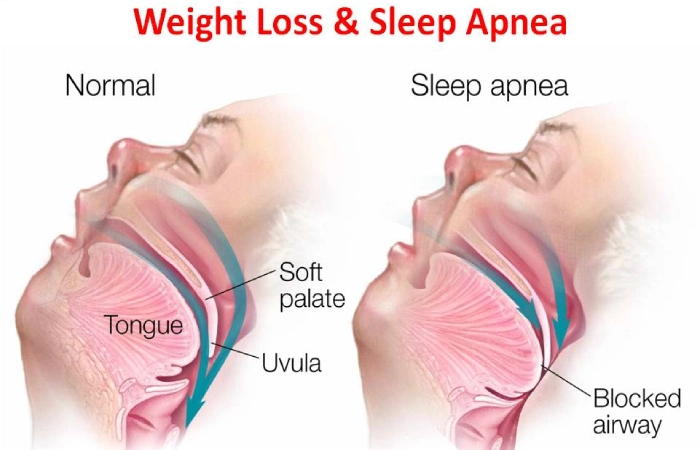
A very common association with all types of sleep apnea is that related to weight loss. Too much body fat around the neck and upper airway puts upward pressure on breathing passages and causes collapse of the airway.
Weight management may help:
- Reductions in severity of sleep apnea
- Enhance sleep breathing
- Reduction in sound levels of snores
- Reduce snore levels
Improving the efficacy of CPAP
Helpful approaches include:
- Vital signs and general physical activity
- Balanced nutrition
- Cut back on processed foods
- Pressured to collaborate with healthcare experts for professional structured weight reduction program
In some cases of obesity-related sleep apnea, large weight losses can significantly improve symptoms.
5. Positional Therapy
Some people have sleep apnea only when they sleep lying on their back. That is called positional obstructive sleep apnea.
Positional therapy encourages side sleeping through:
- Special pillow
- WCL Technology WCl.
- Sleep position trainers
This method certainly has the potential to be effective for those with mild positional sleep apnea, although it is not likely to be effective for those with severe sleep apnea.
6. Myofunctional Therapy (Airway Exercises)
Myofunctional therapy involves exercises that strengthen muscles of the:
- Tounge
- Throat
- Velum
- Increased airway tone may be necessary to prevent airway collapse during sleep.
Examples include:
- Exercises for tongue placement
- Practicing breathing techniques
- Throat muscle training
This method is frequently used as a complementary treatment, rather than a substitute for CPAP in more severe cases.
7. Inspire Therapy: A CPAP Alternative
In certain patients intolerant to CPAP, the patient might be a candidate for a hypoglossal nerve stimulation (e.g., Inspire therapy). This therapy does not involve removing any tissue unlike traditional surgery but implanting an apparatus to help stimulate the airway muscles while a patient is sleeping.
Potential benefits:
- No externally mounted breathing mask
- Better sleep quality
- Less airway obstruction
However it is only suitable for some patients who are eligible.
Sleep Apnea Surgery Alternatives Comparison Table
Treatment Best For Advantages Limitations
CPAP Moderate to severe sleep apnea Very effective Time & effort to use nightly
Oral appliance therapy case by case condition. Mild to moderate. Portable and comfortable. Not for everyone.
Weight loss Overweight patients Benefits general health Needs sustained effort
Lifestyle modifications All patients Complementary to other treatments Possibly insufficient as a sole treatment
Positional therapy Back sleeping apnea Easy approach Does not work well in most people
Myofunctional therapy Mild cases Non-invasive Requires consistency
Inspire therapy CPAP-intolerant patients No mask needed May not be suitable for all
What Could Be the Best Alternative to Sleep Apnea Operation?
The right treatment depends on several factors:
Mild Sleep Apnea
Often responds well to:
- Lifestyle modification
- Load management Oral appliance therapy
- Bullock 2010 reported on
- Positional therapy.
Moderate Sleep Apnea
Common options include:
- using CPAP to treat:
- Oral appliances
- Combination methodologies
Severe Sleep Apnea
CPAP is still the best treatment for many patients and other options for treatment are considered if CPAP is not tolerated or does not work.
In what cases is sleep apnea surgery still necessary
Although many patients benefit from non-surgical treatments, surgery may be recommended when:
- There are important air flow impediments
- Airflow is obstructed by swollen tonsils
- The shape of the jaw.
- Other options are unsuccessful
A sleep specialist or ENT surgeon will assess if surgery is suitable.
Frequently Asked Questions
Can sleep apnea disappear without surgery?
Many individuals will have significant improvement with weight loss and lifestyle changes, as well as with use of CPAP or oral appliance therapy. Yet, sleep apnea is generally a chronic condition.
What is the next best option other than surgery for sleep apnea?
For some, an oral appliance device, weight loss, and other lifestyle changes may work just as well as CPAP, if not better.
Oral appliance device therapy vs CPAP Does CPAP or oral appliance device therapy work best?
It really does vary from case to case but as a rule CPAP would be the top of the bill in moderate-severe sleep apnea whereas the oral appliance devices could certainly do an excellent job and be very user-friendly on a one-off basis.
Can weight loss decrease apnea?
Yes. Weight loss is associated with reduced airway pressure and improved sleep apnea severity in those where it is related to obesity.
If your healthcare provider recommends surgery, you can continue learning about what to expect by reading our guides on sleep apnea surgery recovery, which explains the healing process, activity restrictions, and recovery timeline. You may also find our article on the sleep apnea surgery success rate helpful for understanding how different surgical procedures perform over the long term.
Conclusion
You also have many choices that can help you instead of sleep apnea surgery. These choices include CPAP, oral appliances, lifestyle changes, weight loss, and newer treatments such as the Inspire therapy. The most suitable choice will depend on the causes of sleep apnea as well as the severity.
For numerous patients, a tailor-made blend of non-surgical approaches can enhance sleep, decrease symptoms, and ease breathing even without undergoing surgery.
You may also need to know what to expect before deciding to go through sleep apnea surgery risks, possible complications, recovery problems and what to do before the procedure can impact your surgery and alternatives for treating sleep apnea that you can compare before your sleep doctor appointment.