
 Sameena Fatima
Health & Wellness Content Writer
in
Sameena Fatima writes reader-focused
health and wellness content for
HealthBloomWeb, covering fitness,
nutrition, healthy lifestyle and
everyday wellness topics.
Sameena Fatima
Health & Wellness Content Writer
in
Sameena Fatima writes reader-focused
health and wellness content for
HealthBloomWeb, covering fitness,
nutrition, healthy lifestyle and
everyday wellness topics.
 Mirza Ibrahim Ali Khan
Editorial & Content Reviewer
in
Mirza Ibrahim Ali Khan contributes to
HealthBloomWeb's editorial review process,
with a focus on content structure,
readability, search intent and overall
editorial quality.
Mirza Ibrahim Ali Khan
Editorial & Content Reviewer
in
Mirza Ibrahim Ali Khan contributes to
HealthBloomWeb's editorial review process,
with a focus on content structure,
readability, search intent and overall
editorial quality.
 Reyansh Sethi
Medical Reviewer
in
Reyansh Sethi contributes to the medical
review process at HealthBloomWeb, focusing
on clarity, responsible health context and
reader-friendly presentation of health
information.
Reyansh Sethi
Medical Reviewer
in
Reyansh Sethi contributes to the medical
review process at HealthBloomWeb, focusing
on clarity, responsible health context and
reader-friendly presentation of health
information.
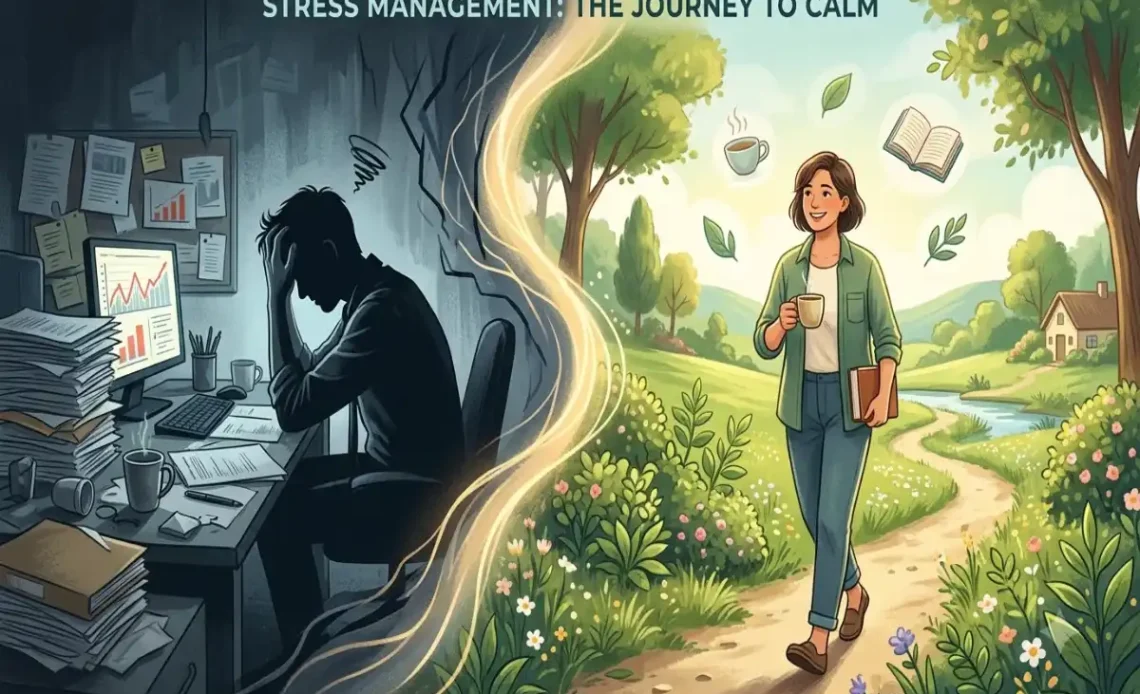
Stress is a human condition. An impending deadline, an awkward chat, a penny short, five under prepared meetings in a single day all cause us to tighten up and our minds to go into overdrive. Short term stress is useful in enabling us to react and cope. Long term stress takes a toll on our sleep, our moods, our relationships, our focus and our bodies.
The positive aspect is there are strategies for managing stress that work. A lot of them are easy, cheap or inexpensive and have been scientifically proven to work. You don‘t need to be able to do all of them. A combination of short term ‘instant’ relaxation techniques and long term building of resilience habits is generally the most effective.
This guide summarizes the major types of stress management techniques, how they work, practical tips on implementing them, comparisons so you can choose what sounds right for you, and how to integrate the techniques into an realistic plan. That‘s what this sheet is about useful, clear information.
Why Stress Management Matters
If the stress response is held on in the long term, then levels of cortisol and other stress hormones will be higher over time. This may result in increased blood pressure, compromised immune function, stomach and bowel problems, anxiousness, depression and compressed cells aging. Sleep will be affected. Concentration impaired. Minis all seem magnified.
Managing stress isn‘t about removing everything that is thrown at you. It‘s about bouncing back when it hits you and turning down the background noise so everyday stresses don‘t end up creating a chronic state of tension. Consistently practiced skills help people sleep better, stay more stable, think more clearly and be better equipped to take it.
In general, the prevalence of stress has been found to differ from country to country, and within different demographic groups. Surveys taken over the last few years for instance indicate that high levels of daily stress are fairly prevalent in many parts of the world, with work, finances and health concerns being among the top reported sources of stress. Cross cultural differences in preferred coping styles have also been identified (acceptance and adjustment vs. problem solving and direct action) but the biological mechanisms that constitute the stress response are universal, with relaxation techniques and those that optimize immune functioning being effective in different contexts.
How Stress Management Techniques Work
Most effective methods act on one or more of these pathways:
- Stimulating the parasympathetic nervous system (“rest and digest” system) by breathing, relaxing muscles, or gentle movement.
- Altering the brain‘s reaction and appraisal to stressors (cognitive techniques)
- Enabling the physical recovery process by means of sleep, exercise and eating.
- Developing psychological resources such as flexible thinking, realistic optimism, and social connection
- Minimization of all unrequired pressure points by boundary setting and prioritisation.
There is no “one best” technique for everyone or for every present moment. Short-term physiological techniques provide help with acute spikes. Longer term cognitive and lifestyle approaches support resilience overall. Categories working together tend to be the most effective.
Core Categories of Stress Management Techniques
1. Breathing and Physiological Techniques
These act the quickest on the body Slow, deep, deliberate breathing activate the vagus nerve and move the balance between the sympathetic and parasympathetic nervous systems toward the feeling of calm. Physiological sighing (two inhales then a long exhale), box breathing or extended-exhale breathing can decrease heart rate and diminish feelings of tension within 1 to 3 minutes.
Progressive muscle relaxation (i.e. tensing and relaxing muscle groups) and simple grounding exercises that utilize the senses fit in this category as well. They are very helpful when stress manifests itself as physical tension or thoughts racing by.
2. Mindfulness and Meditation
These exercises help train attention and decrease automatic reactivity. Breathing exercises, body scanning exercises, and openness to experience through open monitoring allow one to become aware of thoughts and sensations before they trap you any longer. Systematic programs such as mindfulness based stress reduction have an extensive evidence base for decreasing perceived stress and increasing emotion regulation. Even brief daily practice has significant benefits over time.
3. Physical Movement and Exercise
Virtually any type of motion has benefits. Cardio, strength, yoga, walking, tai chi, and similar mind-body disciplines all ease symptoms of stress and anxiety. Moving in general decreases stress hormones with consistent practice and increases better sleep and releases of positive chemicals. Even brief bouts (10 20 minutes) offer quick benefits for a lot of folk. Outdooractivityoften offers additional strivings through contact with living things.
4. Cognitive and Behavioral Strategies
These relate to how we see and react to sources of stress. Cognitive reappraisal requires active consideration of automatic negative thoughts and the use of more balanced interpretations. Problem-solving techniques are useful when the stressor is within our control. Prioritizing tasks and breaking them down into achievable steps, as well as realistic self-talk reduces the cognitive burden. These skills make up the basis of many empirically supported techniques and are available from self-help sources.
5. Lifestyle Foundations
Sleep, food and keep your day on rhythm are the foundation that makes other techniques work better. Resting at the same hour every day, listening to your body feeling sleepy, having a consistent routine, laying on the couch with the lights off in the evening, eating based on the body‘s needs and drinking enough water, build your strong foundation for your body recovery system to work better. If your foundation is weak, the rock of stress seem more heavy and slower recovery.
6. Social Connection and Boundaries
Supportive relationships protect against stress. Participating in supportive listening with others, low stress social activities, and a sense of community are protective. But so are boundaries those that protect against chronic demands of work or family boundaries around keeping time and emotional energy in check. Digital boundaries (email and smart phone boundaries) also reduce the inevitable stress of constant mental availability.
7. Longer-Term Resilience Building
Resilience is the capacity to sustain or recover well-being in the face of continuous adversity. It is enhanced by psychological flexibility, a predominantly realistic-to-positive manner of appraising stressors, routine recovery practices and values-based action. Effective are integrated programs including cognitive skill training paired with mindfulness. Recurrent experiences of activity, nourishment, movement, rest and meaningful activity substantively increases such capacity across a few months.
Comparison of Main Techniques
Technique group Resolution time Recommended for learning curve Evidence strength Comments
Respiratory / physiological Minutes Acute spikes, physical tension Low High Portable and discreet
Mindfulness / meditation Minutes to weeks Reactivity, rumination, baseline stress Medium High Benefits accrue as practice develops
Exercise / movement Minutes to weeks, for general health Prevailing Mood, Energy, Chronic Stress Low-Medium High outdoor often better
Cognitive strategies Weeks to months Problems patients can think about, communicated & controlled Medium High Transfer of skills widespread
Lifestyle (sleep, food, rhythm) From days to weeks Overall ability and recovery Medium High fundamental for everything else
Social support & boundaries Immediate to ongoing Triangulation, isolation, overload, relational stress(among siblings, parenting couples) Medium and High Limited to powerful others (inhalation,) and caught in the crossfire (exposure) Prevents pile up
Resilience interventions Weeks to months Prime life to adapt Long-term adaptation Medium Moderate–high Combines either 2 or more skills.
Building a Practical Stress Management Approach
A useful plan has three layers:
Tools right away Be prepared with two or three quick methods to use during overwhelming situations (a breathing exercise, a quick grounding exercise, and a quick walk/stretch). Practice a few times when relaxed so they will be accessible when necessary.
Everyday and 1-2 times/week habits– Protect sleep time, move most days, eat often, have brief wind down at end of day, and avoid being constantly interrupted by electronics. These reduce the overall stress;
Longer-term skills Learn how to re-evaluate situations, establish practical boundaries, bounce back from tough times and keep in touch with your core values. Revisit and tweak every three months or so.
Start small. Focus on one instrinsic (integrated change) tool and one instrinsic ( 1 habit) tool for 2 weeks. Observe what changes happen. Once those become second nature, incorporate more tools. Patience and consistency is key, not intensity.
Special Situations and Practical Tips
Time shorter more practical than longer. Micro-practices (1-5 minutes). Incorporate into the natural flow of time transition. (Before a meeting, after work, before bed, etc.)
Stress in the work place -psychological detachment after hours, clear priority setting, short recovery breaks, supportive communication with colleagues or supervisors. Job crafting (small adaptations that make work more meaningful or less draining) is also good practice if applicable.
Family and relationship stress- Avoid chronic family and relationship stress; there are triggers for certain family and relationship interactions. Use specific and neutral relationship boundary statements and receive a period of recovering from stressed interactions. Support doesn‘t have to be readily available at all times.
Long term or intense stress Integrate the lifestyle base with cognitive training and professional help when needed. There is solid support for therapy methods that focus on teaching coping and re-appraisal skills. Medical or psychiatric attention should be sought for long lasting physical complaints or high level emotional distress.
Cultural / individual idiosyncrasies different methods will work for different people. Some people need to move, others need to relax alone, talking to someone, etc. Try out things that actually seem to reduce strain, ease recovery, etc.
Measuring Progress and Adjusting
Useful signs of improvement include:
- Actually sleeping more easily or resting more thoroughly
- return to baseline levels of functioning more rapidly following stressful life events, which could reduce the probability of experiencing the effects of a subsequent stressful life event
- Less days to feel totally overwhelmed
- More power to wait until a response is being made, evaluating options.
- More predictable energy and mood.
Test these subjectively for a few weeks. If a technique feels unnatural or has no effect after sincere attempts, go to a different one. The most effective stress management techniques are the ones you will implement.
Putting Knowledge into Daily Life
Stress management is not a novel project. It is an ongoing set of skills and habits. Top performers approach it as they approach physical training or acquiring practical skills daily practice, pragmatic expectations, and incremental improvement.
You have the tools to manage your response to stress already. The methods outlined here just help you in gaining clearer control over what you do with those tools. Start wherever is most easy today. Develop from there. Eventually as the variety of quick fixes, incorporated practices and increasing resilience accumulate, the experience of daily demands becomes
Stress Management Techniques: Effective Ways to Reduce and Manage Stress
Stress shows up in almost every life. A demanding job, family responsibilities, money worries, health concerns, or simply the pace of modern days can leave the body tense and the mind crowded with thoughts. Short bursts of stress are normal and can even be useful—they sharpen focus and help us respond to challenges. The problem arises when stress becomes ongoing. Constant activation of the stress response wears on sleep, mood, concentration, relationships, digestion, immune function, and long-term health.
Effective stress management techniques give people practical ways to interrupt that cycle. Some work in minutes. Others build resilience over weeks and months. The strongest results usually come from combining quick physiological tools with cognitive skills, movement, lifestyle foundations, and clearer boundaries. This guide covers the main evidence-supported approaches in plain language, explains how they work, offers practical steps, compares options, and shows how to build a realistic personal system. The aim is useful information that ordinary people can apply without special equipment or complicated routines.
Understanding Stress and Why Management Matters
The stress response begins in the brain. When a threat or demand is detected, the body releases hormones such as cortisol and adrenaline. Heart rate rises, muscles tense, breathing becomes shallower, and attention narrows. This reaction helped humans survive physical dangers. In modern life the same system is often triggered by emails, deadlines, traffic, social pressure, or internal worries.
When the response stays elevated for hours or days, recovery systems do not fully reset. Sleep quality drops. Inflammation can increase. Mood becomes more reactive. Over months and years the cumulative load raises risk for high blood pressure, digestive problems, anxiety, low mood, and reduced resilience to future stress.
Managing stress does not mean eliminating every difficulty. It means reducing unnecessary activation, recovering more effectively after pressure, and building habits that keep the baseline lower. People who practice consistent techniques often notice they fall asleep more easily, recover faster after hard days, feel less overwhelmed by ordinary demands, and maintain steadier energy.
Stress experiences differ across countries and cultures. Surveys show high rates of daily stress in many populations, with work, finances, and health frequently ranking as leading sources. Preferred coping styles also vary—some cultures emphasize acceptance and adjusting to circumstances, others prioritize direct problem-solving. The underlying biology remains similar, so techniques that calm the nervous system or improve recovery tend to help across different backgrounds.
How Effective Stress Management Techniques Work
Most proven methods act through one or more clear pathways:
- Physiological calming: slowing the heart rate, activating the vagus nerve, and shifting from sympathetic (“fight or flight”) to parasympathetic (“rest and digest”) dominance.
- Cognitive change: altering the interpretation of stressors so they feel less overwhelming or more manageable.
- Behavioral recovery: supporting sleep, movement, and daily rhythm so the body can repair.
- Resource building: strengthening psychological flexibility, realistic optimism, social connection, and a sense of agency.
- Environmental adjustment: reducing controllable sources of pressure through priorities, boundaries, and digital habits.
Techniques that target multiple pathways tend to produce broader benefits. A short breathing exercise can calm the body in the moment. Regular exercise and better sleep improve the overall capacity to handle stress. Cognitive skills change how future stressors are experienced. Combining layers creates a more robust system.
Breathing and Immediate Physiological Techniques
These are among the fastest-acting tools. Because breathing is under voluntary control, it offers a direct route into the autonomic nervous system.
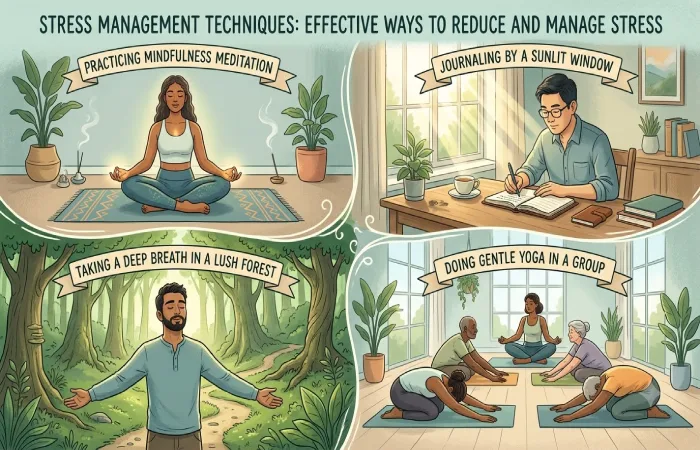
Slow diaphragmatic breathing, physiological sighing (two inhales through the nose followed by a long, slow exhale through the mouth), box breathing (equal counts for inhale, hold, exhale, hold), and extended-exhale patterns all increase parasympathetic activity. Many people notice a drop in tension within 60–90 seconds. Progressive muscle relaxation—systematically tensing and releasing muscle groups—reduces physical tightness and signals safety to the brain. Simple sensory grounding (noticing five things you can see, four you can feel, three you can hear, and so on) pulls attention out of racing thoughts and into the present environment.
These techniques require no equipment and can be done at a desk, in a car, or before sleep. Practice them when relatively calm so the skill is available when stress rises. Common mistakes include forcing the breath, expecting immediate total calm, or giving up after one attempt. Gentle consistency works better than intensity.
Mindfulness and Meditation Approaches
Mindfulness involves paying attention to the present moment with less automatic judgment. Formal meditation is structured practice that builds this capacity. Both reduce the tendency to get lost in worry loops about the past or future.
Common forms include focused attention on the breath, body scans that move awareness systematically through the body, open monitoring of thoughts and sensations as they arise, and loving-kindness practices that cultivate warmth toward self and others. Structured programs lasting several weeks have strong research support for lowering perceived stress and improving emotional regulation. Even brief daily sessions of 5–15 minutes produce benefits that accumulate.
Mindfulness does not require emptying the mind. The practice is noticing when attention has wandered and gently returning it. Early sessions often feel restless or full of thoughts; this is normal. Over time many people experience greater space between a stressful event and their reaction to it. Combining mindfulness with breathing or gentle movement often increases adherence.
Physical Movement and Exercise
Movement is one of the most reliable long-term stress management strategies. Aerobic activity, resistance training, walking, yoga, swimming, dancing, and mind-body practices such as tai chi or qigong all help. Exercise reduces circulating stress hormones over time, improves sleep quality, supports mood-regulating brain chemicals, and provides a constructive outlet for physical tension.
Even short sessions matter. A 15–20 minute brisk walk can lower state anxiety and improve mood for many people. Regular moderate activity produces larger cumulative effects. Outdoor movement frequently adds benefits through exposure to natural light and green space. Yoga and similar practices combine movement with breath and attention, offering dual physiological and cognitive benefits.
Barriers often include time, energy, or self-consciousness. Starting with very short, enjoyable movement and building gradually overcomes most of these. Consistency outweighs intensity for stress management purposes. High-intensity exercise can temporarily raise stress hormones; moderate and enjoyable activity is usually more sustainable for ongoing stress reduction.
Cognitive and Behavioral Strategies
These techniques address how the mind interprets and responds to stressors. Cognitive reappraisal involves noticing automatic negative thoughts (“This always goes wrong,” “I can’t handle this”) and deliberately considering more balanced alternatives. Problem-solving skills help when the stressor is at least partly controllable: defining the problem clearly, generating options, choosing one step, and evaluating the result.
Other useful approaches include prioritizing tasks, breaking large demands into smaller actions, scheduling worry time instead of letting concerns run all day, and practicing self-compassion rather than harsh self-criticism. These skills form the foundation of many evidence-based programs and transfer well across different life domains.
Cognitive techniques take practice. Early attempts may feel artificial. With repetition they become more natural and reduce the emotional intensity of common stressors. Combining them with physiological calming often works best: settle the body first, then examine the thoughts.
Lifestyle Foundations That Support Stress Management
Sleep, nutrition, and daily rhythm create the platform on which other techniques rest. Poor sleep increases emotional reactivity and reduces problem-solving capacity. Irregular meals or heavy reliance on sugar and caffeine produce energy crashes that amplify irritability. Constant digital stimulation keeps the nervous system on low-level alert.
Practical foundations include:
- Consistent sleep and wake times, even on weekends when possible.
- A short wind-down routine that reduces light and stimulation before bed.
- Regular meals with adequate protein, fiber, and micronutrients.
- Limited late-day caffeine and alcohol.
- Morning light exposure and some daytime movement.
- Protected recovery periods rather than constant availability.
These habits do not eliminate stress, but they raise the threshold at which stress becomes overwhelming and speed recovery afterward. When lifestyle foundations are weak, even good techniques feel less effective.
Social Connection, Boundaries, and Environmental Adjustments
Supportive relationships buffer the impact of stress. Feeling understood and valued reduces the physiological load of difficult experiences. At the same time, unclear or excessive demands from work, family, or digital life create ongoing pressure.
Healthy boundaries clarify what you can reasonably offer. Specific statements about time, availability, topics of conversation, or emotional responsibility prevent gradual overload. Digital boundaries—batching notifications, creating phone-free periods, keeping devices out of the bedroom—reduce a pervasive modern source of micro-stress.
Job crafting (small adjustments that increase meaning or reduce drain within a role), clearer prioritization, and deliberate recovery after work further lower chronic load. These environmental and relational adjustments often produce larger long-term reductions in stress than individual techniques alone.
Building Longer-Term Resilience
Resilience is the capacity to maintain or regain well-being despite adversity. It is not the absence of difficulty. Research identifies several trainable factors: a tendency toward realistic-to-positive appraisal of stressors, psychological flexibility (the ability to adjust responses to the situation), a sense of agency, supportive connections, and consistent recovery habits.
Interventions that combine cognitive skills with mindfulness show good results in improving resilience measures. Daily habits such as adequate sleep, regular movement, and engagement in meaningful activities also strengthen capacity over months. Short periods of manageable challenge followed by recovery may further build robustness, though this area continues to be studied.
Resilience develops gradually. Tracking small improvements in recovery speed, emotional steadiness, and overall functioning provides useful feedback.
Comparing Techniques and Choosing What Fits
Different situations call for different tools.
| Situation | Helpful first-line techniques | Supporting habits |
| Acute spike (argument, sudden deadline, panic) | Breathing patterns, grounding, short walk or stretch | Already-practiced skills |
| Ongoing work pressure | Prioritization, psychological detachment, micro-breaks, job crafting | Sleep, movement, clear end-of-day ritual |
| Family or relational strain | Specific boundaries, recovery time after interactions, selective availability | Social support from other sources |
| Low energy / chronic background stress | Lifestyle foundations, gentle movement, consistent routine | Nutrition, sleep timing, reduced evening stimulation |
| Racing thoughts / rumination | Mindfulness, cognitive reappraisal, scheduled worry time | Breathing to settle body first |
| Need for long-term capacity | Resilience practices, values-based action, social connection | All foundational habits |
Personal preference matters. Some people respond strongly to physical movement. Others prefer quiet cognitive or meditative approaches. Experimentation over a few weeks reveals what produces the most reliable relief and is easiest to maintain.
Common Obstacles and Practical Solutions
Time scarcity is the most frequent barrier. Micro-practices of one to five minutes overcome much of this. Linking new habits to existing ones (breathing before checking email, a short walk after lunch) improves adherence.
Skepticism is normal. Starting with techniques that produce noticeable short-term effects (breathing, movement) builds confidence for longer-term skills.
Inconsistency is expected. Missing days does not erase progress. Returning without self-criticism keeps momentum.
When stress is severe, prolonged, or accompanied by significant anxiety, low mood, sleep disruption, or physical symptoms, professional support is appropriate. Therapy approaches that teach coping skills have strong evidence. Medical evaluation rules out contributing physical factors.
Sample Ways to Structure Practice
A minimal daily approach might include:
- Morning: consistent wake time and brief light exposure or movement.
- During the day: one or two short breathing or grounding resets.
- Evening: wind-down routine and reduced screens.
- Weekly: longer movement session and one recovery block.
A more comprehensive version adds brief mindfulness practice, cognitive check-ins on recurring worries, and regular boundary maintenance. Adjust according to life stage, energy, and current demands. The structure itself reduces decision fatigue.
Measuring Progress and Refining the Approach
Useful indicators include ease of falling asleep, speed of recovery after stressful events, frequency of feeling overwhelmed, ability to pause before reacting, and overall sense of capacity. Subjective tracking for two to four weeks reveals patterns. If a technique consistently feels unhelpful after honest trial, replace it. The best system is the one that is actually used.
Life circumstances change. Periodic review—every few months or after major transitions—keeps the approach relevant. What works during a high-demand period may need adjustment when circumstances ease, and vice versa.
Integrating Techniques into a Coherent System
The most effective stress management is rarely a single method. A coherent system usually layers:
- Fast physiological tools for acute moments
- Cognitive skills for interpretation and problem-solving
- Movement and lifestyle habits for baseline capacity
- Boundaries and social support for environmental load
- Occasional deeper practices for resilience
These elements reinforce one another. Better sleep makes cognitive skills easier to apply. Regular movement improves mood and sleep. Clearer boundaries free time and energy for recovery habits. Over months the combination changes the default experience of stress from something that depletes to something that can be met and recovered from.
Final Perspective
Stress management techniques are practical skills, not personality traits or one-time fixes. They improve with use. The research base is solid across breathing practices, mindfulness, exercise, cognitive approaches, lifestyle foundations, and resilience-building. Cultural and individual differences influence which methods feel most natural, yet the core principles of calming the nervous system, improving recovery, and increasing flexible responding apply widely.
Begin with one or two techniques that feel accessible. Practice them consistently for a few weeks. Notice the effects. Add layers gradually. Protect the foundations of sleep and recovery. Adjust as life changes. Over time these practices create greater steadiness without requiring a stress-free existence.
The capacity to influence how stress affects daily life already exists. Clear techniques simply give that capacity direction and reliability. With steady application, ordinary pressures become more manageable and recovery becomes more dependable. That shift improves both immediate well-being and long-term health.