
 Sameena Fatima
Health & Wellness Content Writer
in
Sameena Fatima writes reader-focused
health and wellness content for
HealthBloomWeb, covering fitness,
nutrition, healthy lifestyle and
everyday wellness topics.
Sameena Fatima
Health & Wellness Content Writer
in
Sameena Fatima writes reader-focused
health and wellness content for
HealthBloomWeb, covering fitness,
nutrition, healthy lifestyle and
everyday wellness topics.
 Mirza Ibrahim Ali Khan
Editorial & Content Reviewer
in
Mirza Ibrahim Ali Khan contributes to
HealthBloomWeb's editorial review process,
with a focus on content structure,
readability, search intent and overall
editorial quality.
Mirza Ibrahim Ali Khan
Editorial & Content Reviewer
in
Mirza Ibrahim Ali Khan contributes to
HealthBloomWeb's editorial review process,
with a focus on content structure,
readability, search intent and overall
editorial quality.
 Reyansh Sethi
Medical Reviewer
in
Reyansh Sethi contributes to the medical
review process at HealthBloomWeb, focusing
on clarity, responsible health context and
reader-friendly presentation of health
information.
Reyansh Sethi
Medical Reviewer
in
Reyansh Sethi contributes to the medical
review process at HealthBloomWeb, focusing
on clarity, responsible health context and
reader-friendly presentation of health
information.
What Is Good Nutrition?
A balanced diet involves making healthy food and drink choices each day, which fuel your body with energy and nutrients needed, to sustain a healthy lifestyle in the long term. Balanced eating doesn‘t involve eating ideally or removing all favorite foods or eating a very restricted diet.
A generally healthy eating pattern tends to favor foods that are relatively unprocessed or nutrient rich such as vegetables, fruit, whole grains, pulses, good sources of protein, and unsaturated fat, while not having added sugars, salt and highly processed foods in excess.
The 2006WHO guidance outlines four basic principles of a healthy diet: adequacy, balance, moderation, and diversity. These principles work well, because they are concerned with an entire dietary pattern, rather than having single foods that must be labeled “good” or “bad”.
The target of most individuals isn‘t perfect diet.
The endeavor is to establish healthy eating patterns that are realistic enough to be maintained for a number of years.
For whom is this healthy eating guide.
This guide is designed for:
For the beginner interested in getting acquainted with the principles of nutrition:
- Those wishing to make improvements to their diet
- For adults seeking easy, nutritious dishes
- Families wishing to alter their daily food choices
- Individuals who require a practical healthy eating program
- Or you find nutrition confusing given the conflicting messages on the internet
If you have a medical condition, food allergy, eating disorder, pregnancy needs or any other special dietary requirements you may want to consider individual nutritional advice from a healthcare professional or registered dietitian.
So, why is healthy eating a priority?
Food offers us more than a source of energy.
The foods you eat supply nutrients that support many normal functions in the body, including:
- Energy production
- Function of Muscle
- Bone health.
- Immune function
- Digestion
- The Brain‘s Functions: How it processes data, controls the body, and allows us to think and feel
- Growth and wound healing
Good eating habits are also linked to a reduced risk of various other serious conditions. The latest guidance from the CDC includes benefits such as maintaining a healthy body weight and ensuring that digestive health, immunity, muscles and bones benefit from these habits as well as reduce risk of heart disease, type 2 diabetes and others.
1. Healthy Eating Supports Long-Term Health
Unhealthy diets are a significant contributor to chronic disease worldwide. Conversely, healthy diets based on a diversity of nutritious foods support well-being across the entire lifespan.
That is not to say that one healthy meal will eliminate disease.
It is the trends in overall diet that have effects rather than individual eating sessions.
2. Healthy Foods Can Support Energy Levels
Meals with carbohydrates, protein, fats and fiber tend to offer a more well-rounded nutritional profile compared to meals focused on simple carbohydrates or sweet foods.
For example:
| Meal Pattern | Example |
| Mostly complex carbohydrates | Sugar cereal only |
| Even healthier alternative | Oats, nuts, fruits and plain yogurt |
| Ultra processed snack | Packaged sweetened snack |
| Better nutrient density choice | choice Fruit with nuts or yogurt |
Of course it all depends on energy requirements of a person as well as preferences, and overall diet.
3. Healthy Eating Supports Digestive Health
Fibre-rich foods such as:
- Vegetables
- Fruits
- Whole grains
- Beans
- Lentils
- Nuts
- Seeds
can promote normal digestion.
The CDC recommendations also mention that fiber contributes to a sense of satiety and aids in healthy digestion, blood sugar control, and cholesterol management.
If you have been on a diet low in fibre, gradually add high-fibre food items and make sure that you drink enough fluid, this will help to minimize the occurrence of any digestive upset.
The Four Core Principles of a Healthy Diet
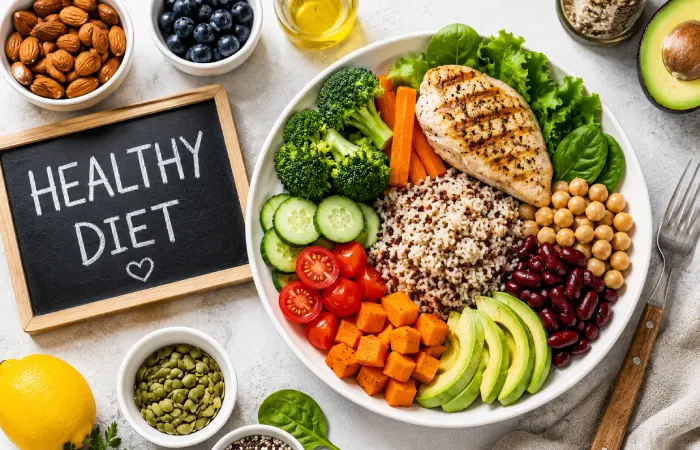
Today, four core principles comprise WHO recommendations on health diet.
1. Adequacy
Make sure that you have enough energy and nutrients from the food you eat.
This includes:
- Protein
- Essential fatty acids
- Vitamins
- Minerals
- Fibre
Sufficiency does not involve consuming “as much as is reasonable”. Sufficiency entails achieving nutritional requirements without habitually consuming energy “in excess”.
2. Balance
There is a need for the appropriate combination of all nutrients and food groups.
Instead of avoiding carbohydrate or fat completely, majority of people would need to take an eye on the quality of food consumed and the balance of eating.
3. Moderation
There are also a few foods that could fit into a healthy diet, but that are better eating in smaller portions or less regularly.
Examples may include foods high in:
- Added sugars
- Sodium
- A fatty acid
- Industrial trans fats
Better to take a moderate rather than an all-or-nothing approach.
Diversity
Consuming a diversity of foods also broadens your diet.
Instead of eating the same vegetable every day, try rotating foods such as:
- Spinach
- Carrots
- Tomatoes
- Beans
- Cauliflower
- Bell peppers
- Broccoli
Similar is true for fruits, protein rich foods, grains etc.
What constitutes a healthy diet?
A healthy meal varies by culture.
A good diet in India will differ from a good diet in the U. S, Japan, or the Mediterranean.
Still, many healthy diets have commonalities underlying them.
Comparison: The Main Parts of a Healthy Diet
Food Category Why It Matters Examples
- Vegetables; Fiber and micronutrients; Spinach, carrots, broccoli
- Fruits Vitamins, minerals and fibre Apples, oranges, bananas
- Whole grains Fiber, carbohydrate, Oatmeal, brown rice, whole wheat roti
- Protein foods: Supports body tissues. Dal, beans, eggs, fish
- Healthy fats Essential fats and energy Nuts, seeds, avocado
- Dairy/alternatives Source of protein, other key nutrients Milk, yogurt, fortified alternatives
- Individual requirements should dictate individual proportions.
1. Eat More Vegetables and Fruits
Nutrients and fiber are obtained from eating fruits and vegetables.
WHO recommendation: WHO advises consumption of at least 400g of fruits and vegetables per day to people over the age of 10 years, but individual requirement may vary.
Fresh foods are not the only option.
Depending on availability and preparation, healthy choices can also include:
- Frozen veg
- Frozen fruit
- Canned vegetables lower in sodium
- Sugar-free canned fruit
Advice from the CDC also suggests preferring whole fruits over fruit juices as whole fruits have the advantage of fiber and could be more satiating.
Easy Ways to Add More Vegetables
- Put vegetables in omelets
- Add vegetables to the dal or soups
- Add to salad at lunchtime or in the evening.
- Blend more vegetables into rice based meals
- Wash and chop vegetables are handy for a quick snack.
2. Choose Whole Grains More Often
In whole grains, most of the natural structure of the grain has been maintained.
Examples include:
- Oats
- Brown rice
- Bread made with whole wheat flour
- All wheat roti
- Millets
WHO recommendations advice that carbohydrates should be obtained mainly from foods such as whole grains, vegetables, fruits and legumes.
You don‘t have to replace every refined grain over night.
Slow and steady wins the race, in many ways.
For example:
- Current Choice Gradual Swap
- Bread and the gut
- White bread Whole-grain bread
- Oat bran
- Fine bran
- Rough bran
- White rice for all meals Alternate with brown rice and other whole grains
- White flour products Whole-wheat varieties are more likely
3. Include Quality Protein Foods
Protein helps to maintain normal body growth, repair and maintenance.
Healthy protein options may include:
Animal-Based Options
- Eggs
- Fish
- Poultry
- Dairy
- Yogurt
Plant-Based Options
- Lentils
- Chickpeas
- Beans
- Soy foods
- Peas
- Nuts
- Seeds
CDC‘s recommendations are currently to eat a variety of protein foods instead of just one kind.
4. Choose Healthy Fats
Fat is an essential part of our normal daily function and needs to be consumed in a balanced diet.
The goal is not to eliminate fat altogether, but to eat smart. It‘s about the type of fat we eat, not how much.
Foods containing predominantly unsaturated fats include:
- Nuts
- Seeds
- Avocados
- Certain fish
- olive oil
- Sunflower oil
- Alternative unsaturated vegetable oils
WHO advises avoiding industrially produced trans fats and reducing intake of saturated fats.
5. Limit Added Sugars and Highly Processed Foods
A good diet doesn‘t mean avoiding all packets of food
On the other hand, consistent frequent consumption of high amounts of food containing significant amount of added sugar, sodium and unhealthy fat could challenge adherence to a nutrient-rich dietary pattern.
Examples to consume less often may include:
- Sugar-sweetened beverages
- Extremely processed snacks
- Sweet deserts
- Very high sodium foods
For the year 2026 CDC has provided guidelines on healthy eating which consists of food rich in nutrients and advice on restriction of high processed foods, added sugar, added sodium and refined carbs.
How to Build a Healthy Plate
Looking at the meal as a whole is just one of the easiest ways to approach eating healthfully.
A practical meal might include:
Approximately Half the Plate
Vegetables and, for some meals, fruit.
About One Quarter
A carbohydrate-rich food such as:
- Whole grains.
- Potatoes
- Rice
- Other higher-fibre starches
About One Quarter
A food that is high in protein.
Examples include:
- Dal
- Beans
- Eggs
- Fish
- Chicken
- Tofu
Add in the right amount of a healthy type of fat, and drinks that fit into your diet.
Here is a flexible visual guide not a rule, such as it has to be every single meal.
Healthy Foods to Eat More Often
Vegetables
- Make sure to get a lot of “Leafy greens” as well.
- Carrots
- Tomatoes
- Beans
- Broccoli
- Cauliflower
- Bell peppers.
- Fruits
- Apples
- Bananas
- Oranges
- Guava
- Berries
- Papaya
Whole Grains
- Oats
- brown rice
- Whole-wheat foods
- Millets
Protein Foods
- Lentils
- Chickpeas
- Beans
- Eggs
- Fish
- Chicken
- Tofu
Healthy Snacks
- Fresh fruits
- Unsweetened yogurt.
- Nuts
- Seeds
- Roasted chickpeas
Healthy Meals: Practical Breakfast, Lunch, and Dinner Ideas
Healthy Breakfast Ideas
Option 1: Oats Bowl
- Oats
- Fruit
- Nuts or Seeds
- Black coffee or tea (with no sugar or creamer; these can be added after) and water (sugar free; obtain a variety from the vending machine).
Option 2: Vegetable Omelet
Eggs
Mixed vegetables
Whole-grain toast.
Option 3: Indian-Style Breakfast
- Idli
- Sambar
- Vegetables
Option 4: Vegetable Poha
Add vegetables, and sprinkle a reasonable amount of peanuts.
Healthy Lunch Ideas
Dal, Roti, and Vegetables
A simple meal containing:
- Whole-wheat roti.
- Dal
- Cooked vegetables
- Salad
Brown Rice Bowl
Combine:
- Brown rice
- The preparation of beam or faggot.
- Vegetables
- Yogurt
Chickpea Salad
Combine chickpeas, vegetables, and an easy dressing.
Healthy Dinner Ideas
- Fish with vegetables grill
- Grated fish
- Fish and vegetable baked
- Cooked fish and vegetables
- Relayed fish with vegetables
- Dal, served with a variety of vegetables and whole grains without much butter/oil serving style.
- Chicken with vegetables & brown rice
- Stir-fry- Tofu cooked, SE side, heated cabbage and hot peppers.1305g7. Eggplant stir-fry- Toffu boiled and fried, then cooked SE side, fried cabbages and hot peppers.729g
- Bean-based vegetable soup
A Simple Healthy Eating Plan for Beginners
There is no need to overhaul your entire kitchen just to get started on healthy eating.
Experiment with a couple of modifications at a time.
Week 1: Add Before You Remove
Add:
- An additional portion of vegetable
- Each serving of fruit from which of the following
- Additional water
Week 2: Improve One Meal
Replace one main meal each day.
For example:
Before: processed cereal and sweet beverage.
Post: Oats, a variety of fruit and a protein source.
Week 3: Plan Your Meals
Plan a number of meals in advance of shopping.
This may help, especially when you are often busy.
Week 4: Review Your Habits
Ask:
- What sorts of changes felt easy to adapt to?
- Which meals kept me warm and full?
- What were the hardest changes?
- What am I realistically able to carry on doing?
Is more likely to be, thus promoting more sustainable development in the long term than a temporary extreme moderation.
10 Healthy Eating Habits That Actually Work
1. Plan Some Meals Ahead
No. There is no need to plan every meal.
Mer series of three or four meals you have automized quite a number of food [decisions].
2. Keep Healthy Foods Visible
Keep:
- Fruit
- Nuts
- Ready-to-eat vegetables.
health system in convenient places.
CDC also suggests the implementation of sounds strategies, like dividing up snacks in a bowl as opposed to eating them directly from the carton.
3. Eat a Variety of Foods
Avoid trying to live on a very narrow range of foods.
types of vegetables each day.
4. Read Food Labels
Pay attention to:
- The ‘serving size’ is dependent on the products of course.
- Added sugars.
- Sodium
- Ingredients
Do not take it for granted that marketing “natural” is equivalent to healthy.
5. Build Meals Around Whole or Minimally Processed Foods
Examples include:
- Vegetables
- Fruits
- Pulses
- Whole grains
- Eggs
- Fish
- Simple greek yogurt
6. Include Protein in Meals
The foods high in protein can be from either animal or plant sources.
7. Increase Fibre Gradually
Some people might experience stomach bloating or other digestive discomfort when a sudden increase of fibre intake.
Increase slightly and take in lots of fluids.
8. Do Not Aim for Perfection
No single meal/dessert at a restaurant can disprove a healthy eating pattern as a whole.
Observe your general habits.
9. Learn a Few Simple Meals
You do not need to stock hundreds of recipes.
Learn several meals that are:
- Nutritious
- Affordable
- Reading of :-Easy to prepare.
- Enjoyable
10. Make Changes You Can Maintain
The healthiest eating plan is any Eating plan which fits into your lifestyle.
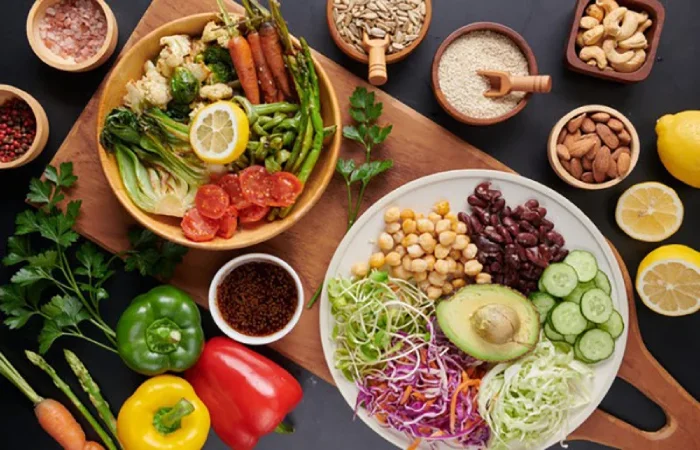
Healthy Food Swaps
| Instead of | Consider Trying |
| Sugary drinks | Water or unsweetened drinks |
| Refined breakfast cereal | Oats |
| Highly processed snacks | Fruit, nuts, or yogurt |
| Deep-fried foods every day | Baked, grilled, or steamed options more often |
| White bread | Whole-grain bread |
| Sugary yogurt | Plain yogurt with fruit |
Those are some alternatives, not instructions.
It is important to take into account your own tastes, the culture, your finances and what‘s on offer.
Healthy Eating on a Budget
There is no need to buy expensive ‘special’ groceries:
Budget-friendly choices can include:
- Beans
- Lentils
- Chickpeas
- Seasonal vegetables
- Growing and eating seasonal fruits
- Oats
- Brown rice or any other locally available grains
- Eggs
Buying foods that you will actually use before they go bad could be more aid to maintaining a healthy lifestyle than the purchase of expensive “health foods”.
Healthy Eating When You Are Busy
Keep Simple Foods Available
Examples include:
- Frozen vegetables. Normally bought cooked, eat quickly but supposed to be good for you.
- Canned beans with the right amount of sodium.
- Eggs
- Yogurt
- Plain yogurt
- Refers to golden flaxseed crude.
- Fruit
Prepare Ingredients in Advance
Prepare and wash your vegetables in advance.
Cook staples such as:
- Rice
- Lentils
- Beans
In later editions before publication.
Build Simple Meals
One meal is not required to be complex.
Try combining:
Protein + veg + carbohydrate source + healthy fat
Healthy Eating and Weight Management
Healthy eating may contribute to weight management although a healthy eating regime is not a crash diet.
The current guidance from the CDC is leaning toward a focus on providing nutrient-dense foods as an overall eating pattern for health and healthy weight management.
For sustainable results, consider:
- Food quality and taste
- Portion awareness
- Physical activity
- Sleep
- Stress
- Consistency
In addition to food, weight depends on other factors as well.
According to the CDC body weight may be influenced by sleep, age, genetics, medications, and other factors.
Healthy Eating for Better Digestion
A balanced diet provides support for the digestive process through the eating of a variety of foods high in fibre.
Examples include:
- Fruits
- Vegetables
- Grains that contain the entire seed the bran, the germ, and the endosperm such as brown rice, whole oats, wheat, and rye.
- Beans
- Lentils
- Nuts
- Seeds
If you are adding fibre, increase it slowly.
Some individuals may notice transient gas or bloating if dietary fibre intake increases rapidly.
Any ongoing or severe symptoms should be discussed with an appropriate health care professional.
How to Create Your Own Healthy Eating Plan
Employ this procedure of five stages.
Step 1: Look at Your Current Diet
Ask:
- How frequently do I consume vegetables?
- Since how often do I eat fruit?
- According to the chart, where do most of my meals come from?
- What is the frequency of highly processed foods consumption?
Step 2: Choose One Priority
For example:
- Always include vegetables for the lunchtime meal.
- Eat a balanced breakfast every day
- Cut down on soda
Step 3: Make the Change Easy
Set up your environment.
For those who wish to have more fruit on their diets, simply purchase produce you actually like.
Step 4: Track What Works
Notice:
- Hunger
- Energy
- Meal satisfaction
- Convenience
Step 5: Build Slowly
Add another habit immediately after the first becomes tolerable.
Healthy Eating FAQs
What does it mean to eat healthily?
Healthy eating is a lifelong practice of habitually selecting a variety of foods that provides the energy and nutrients you need.
So, what are the essentials of a healthy diet?
The following is a description of a healthy diet. It is recommended to consume a range of vegetables, fruits, whole grains, protein foods and healthy fats and limit intake of added sugars, sodium and saturated fats.
Is it possible to have a healthy diet if I eat rice?
Yes. Rice can be incorporated into ahealthy diet. The entire dietary intake, portion size, preparation method and other foods consumed as part of the other foods consumed as part of the meal are important.
Am I expected to stop consuming all convenience foods?
Not all processed foods are equal. Processing is a continuum and there are differences in nutritional quality.
In a typical day the ultimate goal for most people is to have the majority of the consumption prepared by meals based on nutrient-rich foods while limiting those foods with excessive amounts of added sugars, salt and fat.
How about the simplest?
Begin with a single modification for example, include vegetables in a single meal each day.
Small adjustments are more manageable, and thus long lasting.
Is a healthy food costly?
On an average, not necessarily. Coarse, Lentils, beans, seasonal vegetables, fruits, eggs, and grains, which are locally available would be cheap.
Final Thoughts: Healthy Eating Is a Long-Term Habit
Healthy eating shouldn‘t mean one goes on a special diet.
Healthy living is established by making good choices repeatedly.
Start with simple habits:
- Eat more vegetables and fruits.
- Eat more whole grains.
- (Order) Add protein foods.
- Choose healthy fats.
- Limit over consumption of added sugar and sodium.
- Plan healthy meals that are easy to prepare.
- Don‘t strive for perfection, aim for consistency.
Not the most rigorous healthy eating plan is the best
It is the one that supplies sufficient nutrition, can be carried out in your everyday life, takes into account your culture and tastes and can be sustained over a period of time.