
 Sameena Fatima
Health & Wellness Content Writer
in
Sameena Fatima writes reader-focused
health and wellness content for
HealthBloomWeb, covering fitness,
nutrition, healthy lifestyle and
everyday wellness topics.
Sameena Fatima
Health & Wellness Content Writer
in
Sameena Fatima writes reader-focused
health and wellness content for
HealthBloomWeb, covering fitness,
nutrition, healthy lifestyle and
everyday wellness topics.
 Mirza Ibrahim Ali Khan
Editorial & Content Reviewer
in
Mirza Ibrahim Ali Khan contributes to
HealthBloomWeb's editorial review process,
with a focus on content structure,
readability, search intent and overall
editorial quality.
Mirza Ibrahim Ali Khan
Editorial & Content Reviewer
in
Mirza Ibrahim Ali Khan contributes to
HealthBloomWeb's editorial review process,
with a focus on content structure,
readability, search intent and overall
editorial quality.
 Reyansh Sethi
Medical Reviewer
in
Reyansh Sethi contributes to the medical
review process at HealthBloomWeb, focusing
on clarity, responsible health context and
reader-friendly presentation of health
information.
Reyansh Sethi
Medical Reviewer
in
Reyansh Sethi contributes to the medical
review process at HealthBloomWeb, focusing
on clarity, responsible health context and
reader-friendly presentation of health
information.
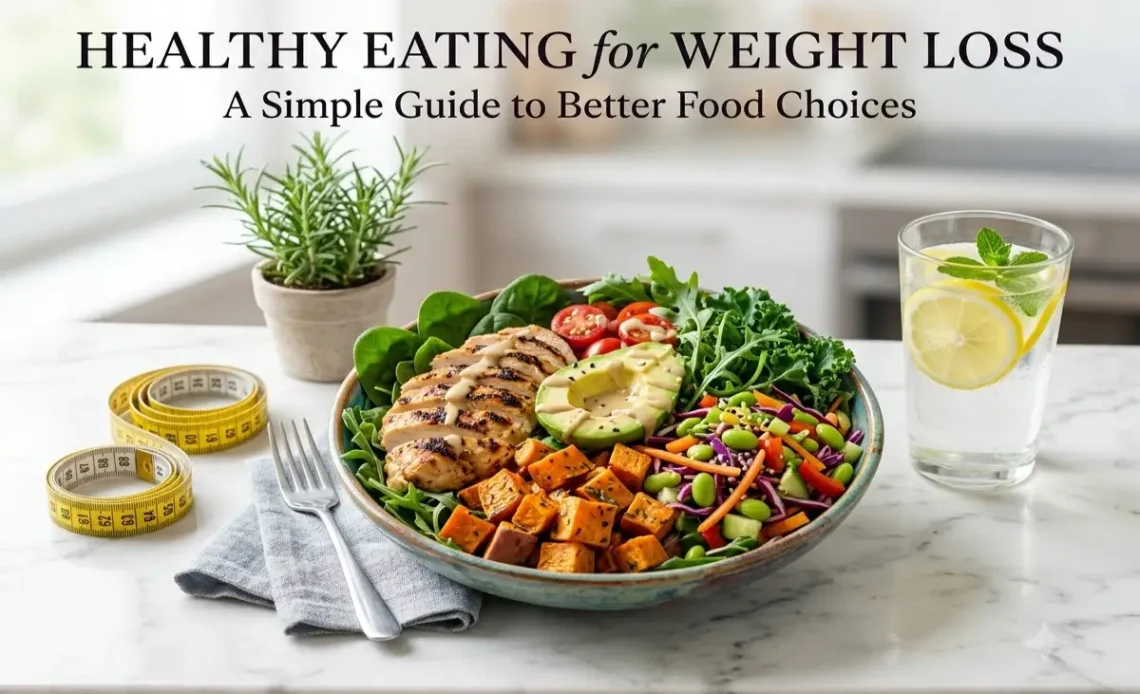
To eat healthy while trying to lose weight means that you should not be going without food or to live on a “diet”. Losing weight healthily means that the food we choose should be wholesome and portion controlled and there should be plenty of protein and fiber and not “faddy food”. It is recommended at present that our meals should be composed of predominantly fruits, vegetables, protein foods, whole grain foods, healthy fats and a selection of other nutrient-rich foods while restricting those which are particularly high in added sugars, saturated fat, sodium and heavily processed foods.
What Constitutes A “Healthy” Diet For Weight Loss?
Eating a healthy weight loss diet will supply your body with nutrients and help control your total calorie consumption. It is not required to cut out carbohydrates or follow a very rigid eating plan. The CDC suggests that it is best to eat many different healthy foods as opposed to restricting an entire group of foods.
A balanced weight-loss diet can include:
- Vegetables and fruit
- Whole grains
- Beans, lentils and other pulses
- Eggs, fish and lean poultry
- Tofu & other foods made from soy
- Un sweetened yogurt and other healthy dairy product.
- Nuts & seeds
- Good quality unsaturated fats
The ideal diet would be one that is healthy, affordable, sustainable and enjoyable to stick to.
Best Foods for Weight Loss
1. Vegetables and Fruits
Vegetables and whole fruits can be very beneficial when trying to loose weight as they provide fiber, water and can also be low in calories and are a good source of vitamins and minerals.
Good choices include:
- Spinach
- Broccoli
- Carrots
- Cucumbers
- Tomatoes
- Berries
- Apples
- Oranges
- Guava
Favoring whole fruits over juices is a good decision since they offer the advantages of fiber content and greater satiety.
2. High Protein Foods
By incorporating a protein source at each meal you can feel fuller. Eggs, fish, chicken, beans, pulses (lentils, chick peas), tofu and other soy foods, nuts, seeds, plain yoghurt are good protein choices.
You don‘t have to eat a super high protein diet. What you do need to do is select high quality protein sources and have a sensible portion with each meal.
3. Whole Grains
The whole-grain choices are whole-wheat bread, oats, brown rice, barley, and quinoa; the whole-grain choices offer carbohydrates as well as the fibers and nutrients that come with them.
You can replace some refined grains with whole grain varieties, so that you can still consume carbohydrates but can increase the density of nutrients in your meals.
4. Healthy Fats
Healthy fats can be part of a weight-loss diet. Examples include:
- Nuts
- Seeds
- Avocado
- Olive oil
- Oily fish
Since fats are very high in calories you still have to monitor portions sizes. You should not be entirely avoiding fat, rather making smart choices when it comes to which types of fats to consume, and how much of it to incorporate into the diet.
Portion Control for Weight Loss
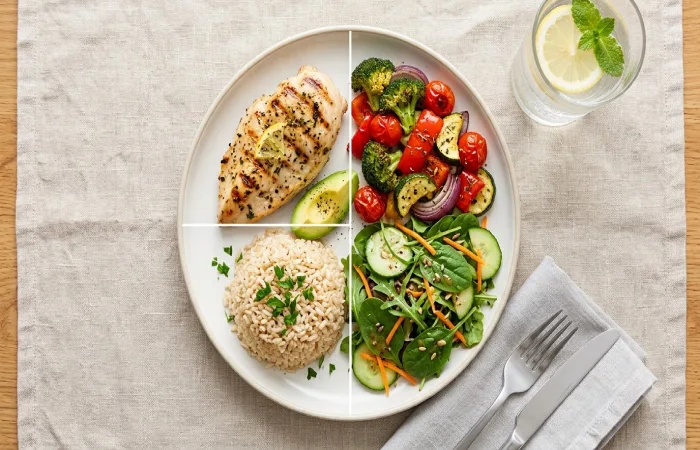
Portion size control also comes into play, when trying to lose weight as even nutritious food can lead to a massive calorie load when consumed in excessive quantities.
A simple meal-building approach is:
Part of meal Foods to emphasize
Roughly ½ Vegetables and/or fruit
About ¼ Protein
Approx. ¼ Wholegrains or other carbohyrdate food
The small quantity healthy fats
Mayo Clinic points out that a bigger serving will naturally cause us to eat more, which will be beneficial when trying to lose weight.
Strategies to help you implement these include; choosing to eat from smaller plates, portioning out the food onto a plate before eating and not eating from the container itself. Furthermore the CDC advisesportioning your snacksinto a container/bowl rather than eating them directly out of the package.
Low Calorie Healthy Foods That Keep You Full
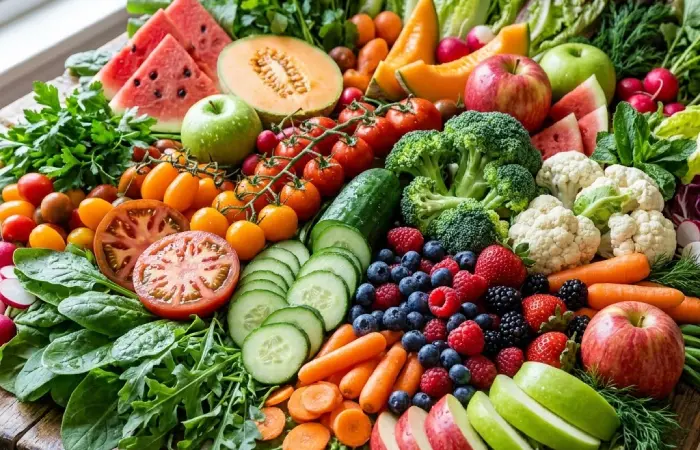
There are a few low calorie healthy foods that you can get lots of volume from due to the water and fiber content.
Examples include:
- Leafy greens
- Cucumbers
- Tomatoes
- Broccoli
- Cauliflower
- Carrots
- Berries
- Melons
- Apples
- Soups, Vegetable
Vegetables and fruit can increase the quantity of food you have on your plate without a commensurate increase in the number of calories added when eating these versus most high calorie foods.
‘Low calorie’ doesn‘t automatically mean healthy, however, you should not substitute the need for a balanced diet including sufficient protein and essential fats for other foods.
Healthy Meals for Weight Loss
A healthy dish need not be overly complicated.
Breakfast
Oats + berries + natural yogurt + handful of nuts.
This provides the body with a mix of carbohydrates, protein, fiber and healthy fats.
Lunch
Dal+ vegetables+ whole grain roti+ plain curd
A quick Indian meal with plant protein, fiber, and multiple food groups.
Snack
Fruit + a little nut
It could potentially be a more nutrient rich snack than some of the ultra-processed ones on the market.
Dinner
Grilled fish or tofu + mixed vegetables + moderate amount of brown rice
You need to work out the proportion according to your own calorie needs and nutritional requirements.
The CDC advises that the ideal foods to focus on when making home-cooked meals are protein, vegetables, fruits, good fats and fiber-rich whole grains.
Easy Food Swaps for Weight Loss
You don‘t necessarily need to change your entire diet. Tiny substitutions can make your everyday food choices more beneficial.
| Instead of | Try |
| Sugary drinks | Water or unsweetened drinks |
| White bread | Whole-grain bread |
| Sugary cereal | Oatmeal with fruit |
| Fried snacks | Roasted chickpeas |
| Sugary yogurt | Plain yogurt with fruit |
| Large portions of rice | Moderate rice + more vegetables |
| Fried chicken | Grilled or baked chicken |
| Frequent desserts | Whole fruit or smaller occasional portions |
These swaps can help to limit excessive calories but can allow for the foods and taste of comfort.
Foods to Limit When Trying to Lose Weight
It isn‘t a case of ‘good’ and ‘bad’ food labels, but certain food items are more prone to over consumption than others, and will deliver less nutrients per calorie compared to alternative choices.
Consider limiting:
- Drinks withAdded sugar:
- Over-processed snack foods
- Frequent sweets and desserts
- What comes under deep fried food
- Processed Meats
- Foods rich in added sugars
- The impact of sodium Foods with a high salt content
- Significant amounts of calorie dense foods
The CDC advises to reduce consumption of added sugars, saturated fats and highly processed foods in the context of healthy diet.
How to Make Healthy Eating Sustainable
A diet that can be sustained. The NHS say you need to eat an eating regime that creates an energy deficit and is both healthy and realistic for everyday living.
Try these habits:
- Make a meal plan before shopping for groceries.
- Ensure that foods which are good for health are always close by and available.
- Add protein to meals.
- Incorporate vegetables into lunch and dinner.
- Prefer fruit over juice
- Monitor portions
- Remember to drink enough water.
- Don‘t drastically reduce your calories.
- Treat yourself with some occasional “comfort” foods.
- Eat a healthy diet and exercise regularly.
Another thing: you don‘t need to do a precise count. The CDC has found that you don‘t need to count every single calorie. Knowing your estimated caloric requirements will certainly help though.
Is it possible to lose weight without restricting carbohydrates?
Yes. Carbs can feature as part of a weight-loss diet. rather than cut carbs out of your diet, make sure you select good quality sources of carbs like whole grains, fruit, vegetables and beans or lentils.
The CDC advocates a varied, healthy diet rather than exclusion of a food category (like carbohydrates)
Frequently Asked Questions
Which is the best healthy eating plan to lose weight?
It is not a “one size fits all” approach, and a healthy eating pattern that includes adequate servings of each group, sufficient protein and fiber with a small calorie deficit, would be more likely to last than a stringent plan.
Which high protein foods should one eat when looking to lose weight?
Other good protein foods include: eggs, fish, skinless poultry, beans, lentils, tofu, soya foods and plain yogurt. Nuts and seeds can provide protein as well as good fats.
Define low-calorie healthy foods.
Low-calorie vegetables and some fruits, leaf products, cucumbers, tomatoes and berries are often voluminous and nutrient-dense but still relatively low in calories.
How much emphasis should be placed on portion control for weight loss?
The amount you eat can control the number of calories consumed. Extremely large servings, even of healthy foods, may provide too many calories.
Is it okay to eat rice during weight loss?
Yes. Rice could easily be part of your eating plan for weight loss. Simply use a moderate amount and eat with your vegetables and protein.
Bottom Line
Healthy eating for weight loss means a healthy sustainable way of eating, not a crash diet. Prioritise eating plenty of protein, vegetables, fruit, whole grains, healthy fats, other whole foods and remember to be realistic with portion size, while trying to cut out the extra refined sugars and ultra-processed foods where you can. The little day-to-day food choices are far more sustainable than severely restrictive ones.