
 Sameena Fatima
Health & Wellness Content Writer
in
Sameena Fatima writes reader-focused
health and wellness content for
HealthBloomWeb, covering fitness,
nutrition, healthy lifestyle and
everyday wellness topics.
Sameena Fatima
Health & Wellness Content Writer
in
Sameena Fatima writes reader-focused
health and wellness content for
HealthBloomWeb, covering fitness,
nutrition, healthy lifestyle and
everyday wellness topics.
 Mirza Ibrahim Ali Khan
Editorial & Content Reviewer
in
Mirza Ibrahim Ali Khan contributes to
HealthBloomWeb's editorial review process,
with a focus on content structure,
readability, search intent and overall
editorial quality.
Mirza Ibrahim Ali Khan
Editorial & Content Reviewer
in
Mirza Ibrahim Ali Khan contributes to
HealthBloomWeb's editorial review process,
with a focus on content structure,
readability, search intent and overall
editorial quality.
 Reyansh Sethi
Medical Reviewer
in
Reyansh Sethi contributes to the medical
review process at HealthBloomWeb, focusing
on clarity, responsible health context and
reader-friendly presentation of health
information.
Reyansh Sethi
Medical Reviewer
in
Reyansh Sethi contributes to the medical
review process at HealthBloomWeb, focusing
on clarity, responsible health context and
reader-friendly presentation of health
information.
Key Takeaways
- Assists in maintaining the health of the intestinal microflora, nutrition and general health with the aid of gut health supplements.
- Not all supplements are interchangeable. Probiotics, prebiotics, digestive enzymes, and synbiotics serve different functions.
- Pick a supplement according to the signs and symptoms you are experiencing, your health goals, and the research, not the advertising.
- Healthy lifestyle behaviors such as consuming a high fiber diet and exercising have been shown to be the cornerstone of optimal gut health.
- Studies to date (2026) further emphasize the connection between the gut microbiome, immunity, metabolism and mental health.
Who This Guide Is For
This guide is designed for:
- Amateurs who want to learn about gut health supplements
- Individuals who have bloating, constipation, or stomach problems
- Subject been rubbed down as a result of antibiotic therapy
- The individuals in the study who are interested in shaping their gut microbiome by natural means.
- Anybody who is shopping around for probiotics, prebiotics, digestive enzymes and other digestive health supplements.
This Article is the Part of Health Habits
Introduction
It is one of the fastest growing areas as research continues to demonstrate the vital importance of the gut microbiome of digestion, immune response, metabolism and even mental health. While a good diet provides the foundation for digestive health, supplements such as probiotics, prebiotics, digestive enzymes and microbiome support formulas can fill gaps in the diet when used appropriately to support individual digestive health needs.
Over the last five years, the scientific awareness of the human gastrointestinal microbiome has increased rapidly. Attention has moved from mid-mortem knowing that we digest food, toward the awareness that Trillions of bacteria within our gastrointestinal system influence all aspects of our existence from nutrient assimilation, immune response, inflammation and the messages passing to and from our brain. As a result, newer and more unique supplements are being produced to cater for individual needs within the gastrointestinal system.
Too many options exist for this to be simple 2,000 available products could leave you confused. Labels declare improvements in “digestion,” “immune function,” or “healthy gut bacteria,” but not all formulations include ingredients in clinical doses.
In this comprehensive 2026 guide you will discover how gut health supplements work, the various types of supplements, an overview of current science and how to choose supplements based on your personal health goals. You will find out when supplements may be helpful, what limitations they have and easy ways to support your gut naturally through daily life.
Why Gut Health Matters More Than Ever
The digestive system, however, does a lot more than digest our food. The gut microbiome is made up of a diverse variety of bacteria, fungi, viruses and other microorganisms.
A healthy microbiome contributes to several essential functions, including:
- What is it that you chew? Starch and dietary fiber are broken down by what you are chewing in the mouth. Raw fruit and vegetables are less digestible.
- Synthesizing short-chain fatty acids, which provide the nutrients for cell growth of the intestinal epithelium.
- Helps immune system develop and function properly
- Synthesis of some vitamins, such as vitamin K and some B vitamins.
- Contributing to the integrity of the intestinal barrier and protecting the lining of the gut.
- Affecting the communication connection between the gastrointestinal tract and the brain
Most recently, researchers are attempting to establish a link between alterations in the gut microbiome and diseases such as inflammatory bowel disease, irritable bowel syndrome, obesity, type 2 diabetes and selected mental health disorders. As of now, although gut health products are not intended to treat any of these conditions, they may be tolerated by some individuals, in conjunction with medical treatment and positive lifestyle changes.
2026 Gut Health Trends
| Trend | Why It Matters |
| Personalized microbiome testing | Customized nutrition and supplement guidance |
| Multi-strain probiotic formulas | Greater spectrum of microbes could enable targeting of particular digestive requirements |
| Synbiotic supplements | Understood as the combination of probiotics with prebiotics, to favor bacteria growth. |
| Postbiotic research | Exploring active compounds produced by microbes. |
| Gut-brain axis research | mounting substantial research associating gut bacteria with mood and cognitive wellbeing |
| Evidence-based formulations | More emphasis on clinically researched strains and transparent information on ingredients |
What Are Supplements for Gut Health?
Gut health supplements are any products that are designed to assist with the processes of digestion, help promote a healthy balance of micro-organisms in the gut, or aid in the digestion and absorption of nutrients. Their mechanism of action can involves others micro-organisms, or helping the body digest specific nutrients more easily.
Common categories include:
- Probiotics
- Prebiotics
- Synbiotics
- Digestive enzymes
- Fiber supplements
- Specialized ingredients such as L-glutamine or butyrate
Different categories have specific functions, for you there is not just one supplement.
How Gut Health Supplements Support the Digestive System
Gut supplements may support digestive wellness by:
- Targeting a probiotic intervention to promote health with beneficial bacteria.
- Supporting the integrity of the intestinal lining.
- Monitoring the regularity and activity of bowel movements.
- Enhancing the digestion of the carbohydrate, protein or fat (whichever is relevant to the supplements)
- The formation of compounds that can support the ambience of the healthy gut
- Conditioning process and supporting immune functionthrough interactionwith immune cells inthe GIT which enhances immune activity.
Keep in mind, the effects will be different according to what the supplement is, how much of it is taken, and the current health status of the person.
Why Maintaining a Healthy Gut Is Important
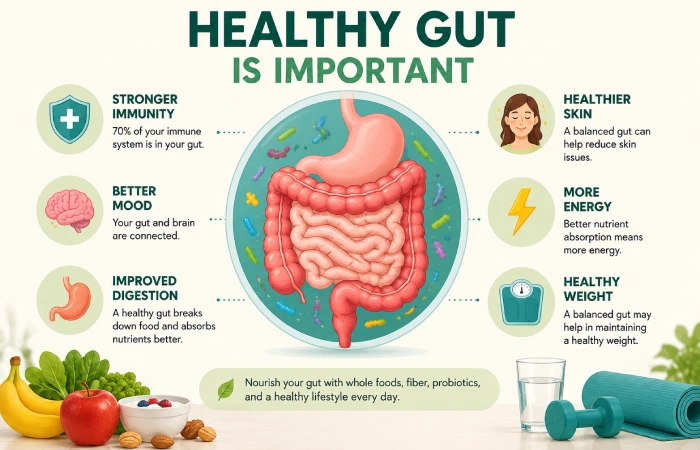
Part of the gut microbiome is located in the human body. Since it has effects on the way the other parts of the body work, the digestive system is an important part of overall health.
Digestive Health
Digestive Wellness Your good microbes can play a role in helping with everything from digestion and nutrient absorption to regularity. Some remedies may potentially help with seasonal bloatfrequency and severity, but this varies greatly.
Immune Function
Much of the immune system lives in the digestive system. In balance with immune cells, healthy interactions between microbes and immune cells in the digestive system allow immune response to be regulated normally.
Nutrient Absorption
some bacteria in the GI combat bacteria roles in vitamin synthesis and nutrients metabiosisenhane supetiother.
Gut-Brain Communication
Gut-brain axis-Nerve, hormon, and immune cell signals occur in the connection between the gut and brain. Much research is currently being conducted in this field to understand potential influence of gut health on depression, stress, memory, and response to various stimuli.
Metabolic Health
Researchers are exploring the role of intestinal bacteria in the development of obesity by examining the impact of gut microbes on metabolic processes and blood sugar levels. Although these advances are promising, they should not be seen as magic solutions to losing weight.
Quick Comparison: Healthy Gut vs. Imbalanced Gut
| Healthy Gut | Imbalanced Gut (Dysbiosis) |
| Different microbial strains | there is a reduction in microbial diversity |
| Comfortable digestion, feel comfortable | painless cavity gas and bloating, indigestion without discomfort or bloating. |
| No/irregular daily bowel movements | Constipated/has diarrhea, or constipated and occasionally has diarrhea |
| Intestinal barrier health | Enhanced intestinal permeability |
| Ease of processing nutrients | Discomfort of digestion |
| Immune interactions that are in equilibrium | Changes in immune reactions |
Signs Your Gut May Need Support
Cannot put into simpler terms the myriad of reasons why someone might experience consistent and/or prolonged digestive symptoms, so if symptoms are severe or persistent consulting a healthcare professional is advised. That said, these are some signs that people might experience that lead them to think about improving their gut health:
- Become frequently bloated
- Gas retention (excessive)
- can lead to dry, hard stools due to insufficient fiber intake or dehydration. Increase water consumption or add more high-fibre foods to the diet. A laxative should be used only if the problem persists.
- Diarrhoea Arguably. If Faecal loading is a cause of diarrhea, can you manage diarrhea based on visual assessment?
- For the irregularity of the bowel habits; the laxative use, if any, and the type was indicated.
- Mild bloating sensation after each meal.
- Food sensitivities (still under medical investigation)
- Edemas: feeling too puffed out after food.
- Recovery after a course of treatment of antibiotics as recommended by the doctor
These symptoms are not specific andare associatedwith other advanced gut disorders. Self-diagnosisbased on symptoms is therefore inappropriate.
Symptom Guide
| Symptom | Possible Digestive Concern | Supplements Commonly Considered* |
| Bloating | Gas production, diet-related issues | Probiotics, digestive enzymes |
| Constipation | Low fiber intake, bowel motility | Fiber supplements, prebiotics |
| Diarrhoea | Multiple possible causes | Certain probiotics (with medical advice) |
| Lactose intolerance | Decreased activity of the enzyme | Lactase enzyme supplements |
| Post-antibiotics | Temporary disruption of the microbiome | Targeted probiotic strains |
| Mild indigestion | Individual food intolerance or digestive factors | Digestive enzymes (varies according to cause) |
The right supplement is what you need for your cause. See a doctor if it‘s not getting better or even worse.
How Gut Health Supplements Work
Despite the different mechanisms by which the various supplements worked, the majority were designed to assist at least one parameter of digestive function or the gut microbiome.
Probiotics
The Science behind a Happy Gut Probiotics Live micro-organisms that could colonise and contribute to balancing the communities of the good bugs in the gut if ingested in adequate amounts.
Prebiotics
Non-digestible fibres which support the expansion and function of the beneficial bacteria already in your gut.
Digestive enzymes
These work to assist the digestion of protein, carbohydrates and fats into smaller pieces so that these molecules can more readily absorb. They dont actually have an impact on the microbiome in the gut, but might be supportive of digestive health for some individuals.
Fiber Supplements
Some fibers can help ensure regular bowel movements while also supplying food for healthy gut bacteria.
Synbiotics
Synbiotics made a combined probiotic and prebiotic product trying to support not only the beneficial bacteria, but also the nutrients they require.
At a Glance: Major Types of Gut Health Supplements
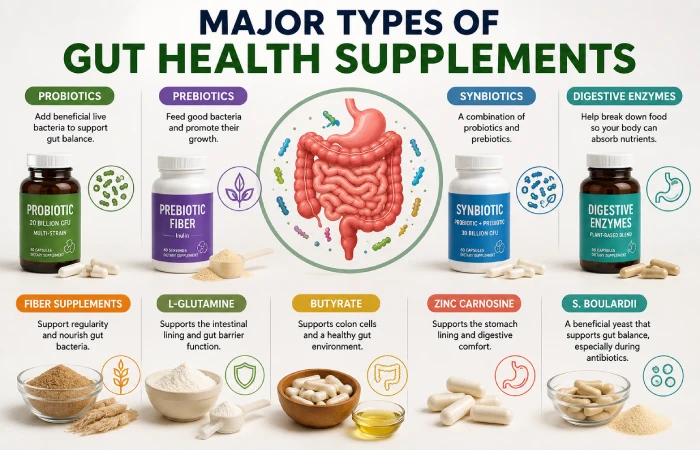
| Supplement Type | Primary Role | Best Known For |
| Probiotics | Provide beneficial microbes | Microbiome aid |
| Prebiotics | Providing food to favorable microorganisms. | Promoting the proliferation of |
| Synbiotics | Combine probiotics and prebiotics | A broad range of support for the microbiome |
| Digestive Enzymes | aid in digesting nutrients | Digestive assistance |
| Fiber Supplements | Increase regularity | Make your digestion and microbiome more efficient |
Latest Research on Gut Health Supplements (2026)
The investigation of the microbiome in the GI tract is still an area of ongoing research. Numerous studies show potential benefits of a healthy microbiome, but researchers strongly maintain that the efficacy of whatever gut-based supplement is taken varies according to the GI tract of the recipient, the ingredients, and the complaint.
Key Research Trends
1. Personalized Gut Microbiome Testing
Improvements in microbiome studies are allowing studies to identify why individuals differences in response to the same supplement.
Researchers are investigating whether personalized advice based on gut bacteria profiles can lead to better results than general advice.
What this means for consumers:
- Individualized diets might be part of everyday life.
- Probiotic recommendations in the future could depend on an individual‘s microbiome composition.
- Clinicians might even utilize more microbiome testing when making medical decisions.
2. Multi-Strain Probiotics
Clinically Studied Strains Multiple strain applications. Not only single strain applications are being tested.
Potential advantages include:
- Higher microbial diversity.
- More comprehensive digestive support.
- Enhanced resistance of the intestinal ecosystem to disturbances.
However, more does not necessarily mean that the new strains will have better results. The combination should also be validated through quality research.
3. Postbiotics
Postbiotics – These are useful substances derived from bacteria.
Examples include:
- Short-chain fatty acids: In a normal healthy person the total amount of short- chain fatty acids in the adult gut is in the region of 200-400mmol.
- Bacterial metabolites: We have discussed the positive relations between the microbes of certain genera and their ability of prevent or slow down the pathogenic bacteria were they colonize. Now let’s mention what the bacteria produce that could impact the colonization of pathogens.
- Cell wall components: Scientists, meanwhile, are thinking whether post-biotics are capable of offering some advantages with the absence of living bacteria.
4. Gut-Brain Axis Research
The gut and brain are in constant interactive with one another via nerves, hormones and immune signaling.
Current research explores how maintaining a healthy gut microbiome may influence:
- Stress response: Heart-rate and cortisol concentrations during a host sting mimic and the induced stress response.
- Emotion modulation: Emotion modulation is very closely related to emotion regulation.
- Quality of sleep: The subjective perception of sleep, the number of awakenings during sleep, acts of movement during sleep, and # of 911 calls per hour/night may be used on an occasional basis.
- Cognition functions: possibly the most important function of the brain. It focuses on behavior and language, sensation and perception, memory and learning, and intelligence testing. Cognition is defined as the process of memory, attention, thinking, and language.
While the results are promising, it is important that those who take up the idea of using gut supplements as an alternative treatment do not see them as the solution to mental health conditions.
5. Artificial Intelligence in Microbiome Research
Increasingly sophisticated computer programs are employed in the analysis of complex microbiome data.
Potential future applications include:
- Making Predictions about how they will respond to the use of probiotics.
- Personalized dietary recommendations
- Yes, it is an improvement. It is efficient, beneficial, more interesting, complex, open enough to possible with BSC, and can add a list of essentials such as potions, potions, lenses, and pills. A successful program would have to built around a framework of supplement development.
- More early detection of microbiome imbalances.
Best Gut Health Supplements by Health Goal
A huge myth is there is only one “best” gut health supplement, but the reality is that it all depends on your symptoms, medical history, diet and goals.
Instead of selecting the most popular product, what is it you wish to improve?
Quick Decision Guide
| If Your Goal Is… | Supplements Commonly Considered* | Lifestyle Habits That Help |
| Improve overall gut microbiome | Multi-strain probiotics + prebiotics | Eat more fiber-rich foods |
| Recover after antibiotics | Some probiotics (strain-specific). | Fermented foods, hydration |
| Alleviate irregularity | Soluble fiber, prebiotics | Drink more water, be more active |
| Nurture digestive comfort if needed | Digestive enzymes if needed | Slow down and eat smaller meals |
| Reduce infrequent bloating | Selected probiotics, digestive enzymes | Limit foods that are potential causes, if identified |
| To support IBS treatment | PHGG fiber, recommended probiotics (medical supervision) | stress management, customized diet |
| Improve regularity | Fiber supplements | Daily activity |
Is always better to take supplements after a clinical evidence and in case of other chronic symptoms ask doctor.
Best Supplements for Overall Gut Health
In most healthy adults modifying everyday routines offers more long term benefit than use of supplements. When supplements are indicated evidence generally supports:
- Multi-strains probiotics (with strains proven in clinical studies)
- Prebiotics (e. g. prebiotic fibers to support the growth of good cultures)
- Fiber supplementation if dietary sources are not sufficient
- A fermented product such as yoghurt, kefir, kimchi or sauerkraut
- Begin only a single evidence-based supplement or vitamin at a time. After a number of weeks assess its effectiveness.
Best Supplements After Antibiotics
Antibiotics3 can be necessary to treat some bacterial infections3, but they may temporarily kill good bacteria in your gut3.
Following an indicated course of antibiotic a small, but growing, number of people opt to improve microbiome recovery by:
- Probiotic strains tested in clinical research
- The following strains have been studied in clinical research.
- Saccharomyces boulardii (if applicable)
- Foodstuffs abundant in prebiotics
Nutrition A major part of any training programme revolves around Nutrition (Tucker et al., 2004). One key consideration is making sure athletes are supplied with the optimal diet to meet their requirements in terms of energy and nutrient balance. Nutrients such as carbohydrates provide energy whereas other vitamins, such as vitamin C, assist the body’s natural defence systems.
Recovery time may vary for each individual. The microbiome tends to recover naturally over time in association with a proper diet.
Comparison Table: Supporting Gut Recovery After Antibiotics
| Option | Main Benefit | Evidence |
| Probiotics | To aid the recovery of the microbiome | High (strain-specific) |
| S. Boulardii | May prevent antibiotic related-diarrhoea | High |
| Prebiotic fiber | Feeds beneficial bacteria | High |
| Fermented foods | Natural microbial biodiversity | Moderate |
| Diet rich in fiber | Beneficial for the microbiome in the long run | High |
Best Supplements for Occasional Bloating
Best supplements for temporary bloating If your temporary bloating is due to over-eating, consuming too much air, intolerances, or as a result of constipation and/or altered gut flora then these can be some options that may help, according to the causes:
- Digestive enzymes.
- Selected probiotics (using pre-planned criteria to choose specific strains)
- Peppermint Oil (for some with ibs)
- Soluble fiber (when constipation has a role in the glucose increase)
Referral should be considered if bloating is protracted, severe, associated with weight loss, blood in stool, fever or significant pain.
Best Supplements for Constipation
Chronic constipation needs to be evaluated by a healthcare professional, but for diarrhea in an otherwise healthy individual, evidence suggests:
First-line options. Additional treatments are likely to be necessary if interventions such as prescribing for smoking cessation are not successful.
- Psyllium husks
- PHGG (Partially Hydrolyzed Guar Gum)
- sufficient water intake
- Regular exercise Other options for students over and above a program,
additional team choices.
- Certain probiotics.
- More dietary fiber.
Best Supplements for IBS
IBS is also a complex condition, and the symptoms associated with it can differ between patients.
Research suggests that some people with IBS may benefit from:
- Specific strains 9 of probiotics8. For example, probiotic products for infants contain different probiotic strains than those developed for adult use, and certain strains have properties specific for each state.
- Dietary Supplement (including PHGG fiber)
- Peppermint oil (Dioralyzed peppermint oil)
- Changes in diet. This could include adhering to a low-FODMAP diet with initial support by a dietitian; then continuing with follow-up dietary support shown in studies to be beneficial or through a specifically targeted diet to reduce stool weight.
There is no one medication everyone with IBS will benefit from, and treatment should be tailored to the individual.
Best Supplements for Acid Reflux
Numerous supplements sold for the purpose of supporting gut health are not meant to manage gastroesophageal reflux disease.
Nevertheless, lifestyle changes continue to be the mainstay of management.
Some people explore:
- Digestive enzymes (only in certain circumstances)
- With Zinc carnosine
- Probiotics (minimal evidence)
Always consult a healthcare professional before using supplements for symptoms of ongoing reflux.
Gut Health Supplements by Age Group
| Age Group | Considerations |
| Children | Use only under pediatric guidance |
| Adults | Make supplement decisions by symptoms and goals |
| Elderly patients | Account for drug interactions as well as immune status. |
| Pregnant individuals | Consult an obstetric healthcare provider. |
How long does it take for health supplements to start working?
Most people expect a swift improvement but good gut health is a slow process.
The time span, where the effects of the supplement are observed, varies according to the supplement and the individual.
Supplement – Type Typical – Time Frame
- Digestive enzymes Same meal delivered again several days later
- Fiber supplements. 1–4 weeks
- Probiotics 2–8 weeks
- Prebiotics 2–6 weeks.
- Synbiotics3–8 weeks.
- Butyrate Several weeks
- L-Glutamine Several weeks
These are indicative figures and do not imply guaranteed benefit.
Potential Side Effects
Most people tolerate gut health supplements without problems when taken at the recommended dosages. However, potential side effects exist.
Common temporary effects include:
- Mild bloating. Increased gas, increased speed. This is if there is installed a high-flow injection of a simple backfire duct with tachy/airmix plates in both bassek+. First of all, excess gas is added, which supplies the explosion with an extra amount of burning material.
- Changes in bowel habits: 1. Heartburn and indigestion 2. Changes in bowel habits
- Mild Abdominal discomfort: Treatments may have these effects for a time until the body gets used to them.
Discontinue the supplement and seek medical attention if you develop any severe symptoms or signs of allergy.
Editor’s Choice for First Point of Contact with a Healthcare Professional:
Consult a healthcare professional before starting supplements if you:
- Have inflammatory bowel disease.
- Are underweight.
- Are pregnant or breastfeeding. Use of prescribed medication, such as:
- Have had long-term problems with digestion
- Had a stomach operation in the last few months.
Myth vs Fact
|
Myth |
Fact |
| All probiotic strains work equally. | Any benefits are strain-specific. |
| More CFUs means a better supplement. | Clinical proof is more important than CFU quantity. |
| Supplements are substitutes for eating healthily. | Is the most important for gut health. |
| All should take a probiotic each day. | Data should be tailored to individual requirements and objectives for health. |
| Appear in the short term. | Several supplements takes weeks of continuous use. |
| Natural products are always safe. | Despite the fact that natural foods or supplements, can interact with drugs or have side effects. |
Conclusion
Supplements for gut health may be beneficial when combined with a healthy lifestyle and diet. Not all supplements are meant for all individuals and while some are more of a general support others are specific. Probiotics, prebiotics, digestive enzymes, fiber supplements, and other microbiome-specific products all have different uses so your choice of supplement should be based on your health needs and not on marketing made to seem attractive.
Recent studies have pointed out that the gut microbiome‘s role in digestion, immunity and health is becoming increasingly more prominent. Yet, researchers, time and again, hammer home the point that supplements are only one aspect of the equation. Consumption of more variety and more fiber in the diet, physical activity, stress management, sleep and medical consultation in case of persistent gastrointestinal symptoms are the foundations of sustained gut health.
Is there any way to develop healthy digestive habits now while waiting for the microbiome research to unfold? Certainly by using evidence-based supplements and maintaining a healthful lifestyle daily during this journey, there are choices you can make.