
 Sameena Fatima
Health & Wellness Content Writer
in
Sameena Fatima writes reader-focused
health and wellness content for
HealthBloomWeb, covering fitness,
nutrition, healthy lifestyle and
everyday wellness topics.
Sameena Fatima
Health & Wellness Content Writer
in
Sameena Fatima writes reader-focused
health and wellness content for
HealthBloomWeb, covering fitness,
nutrition, healthy lifestyle and
everyday wellness topics.
 Mirza Ibrahim Ali Khan
Editorial & Content Reviewer
in
Mirza Ibrahim Ali Khan contributes to
HealthBloomWeb's editorial review process,
with a focus on content structure,
readability, search intent and overall
editorial quality.
Mirza Ibrahim Ali Khan
Editorial & Content Reviewer
in
Mirza Ibrahim Ali Khan contributes to
HealthBloomWeb's editorial review process,
with a focus on content structure,
readability, search intent and overall
editorial quality.
 Reyansh Sethi
Medical Reviewer
in
Reyansh Sethi contributes to the medical
review process at HealthBloomWeb, focusing
on clarity, responsible health context and
reader-friendly presentation of health
information.
Reyansh Sethi
Medical Reviewer
in
Reyansh Sethi contributes to the medical
review process at HealthBloomWeb, focusing
on clarity, responsible health context and
reader-friendly presentation of health
information.
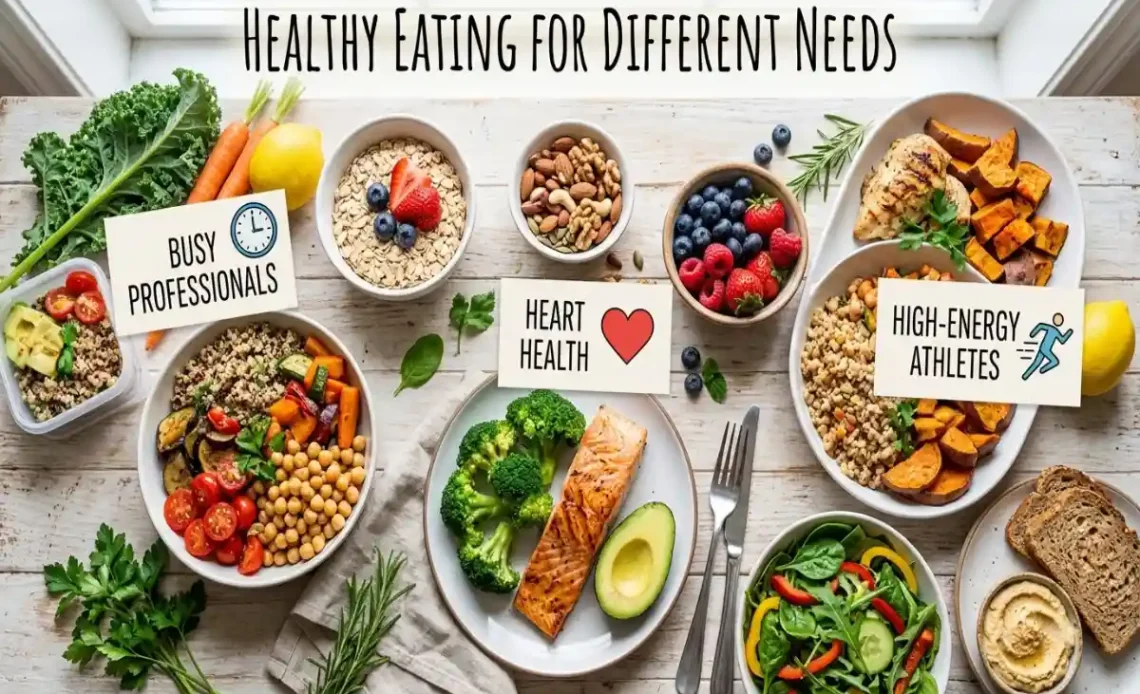
Healthy eating for everybody involves selecting healthy foods in amounts that are appropriate for individual nutrition needs. Healthy eating means having a diet that is suitable for your age, lifestyle, budget, food preferences, activity level and health goals. There is not a single diet that is identical for each person. In healthy eating healthy foods include:
However, wherever you are starting from (beginner, family, vegetarian, under a budget, increasing your protein intake), making a few simple changes will simplify eating healthily and is more sustainable.
What does healthy eating involve?
A healthy Diet need not be difficult or costly. Begin with the foundation of all your meals the healthy foods.
- Vegetables or fruit
- White grains or other good carbohydrate nutrients
- A source of healthy fat
- Water or any plain beverage
The recommended protein foods are eggs, seafood, poultry, beans, lentils, nuts and seeds, soy foods; and the recommended fats are other vegetables, fruits, whole grains and dairy foods without sugars.
Establish rational goals and get rid of the perfection mentality. It‘s too hard to always make healthy choices and follow an very restrictive diet.
Healthy Eating for Beginners
If this is your first time trying out healthy eating, don‘t start by making drastic changes Start with a few simple habits:
- To Meals: Incorporate a piece of a fruit or vegetable.
- Be sure to add a source of protein to each meal.
- Select whole grains on a more frequent basis.
- Choose to drink more water rather than sweet drinks.
- Keep healthy snacks readily available.
- By consuming appropriate portions.
- Move to list of foods to eat.{This means limiting processed foods.}
Another example is rather than totally renouncing your breakfast, consider adding fruit to oatmeal or consume eggs along with entire grain toast.
You can also make simple swaps. Use whole fruit rather than fruit juice, vegetables instead of certain other higher calorie ingredients or perhaps beans and lentils instead of some of the meat in certain meals.
Vegetables and fruits are rich sources of fiber, vitamins, minerals and other good-for-you nutrients. They contain water and fiber, which can contribute to fullness.
Healthy Eating for Families
Healthy eating for families is not about individualizing meals to suit everyone‘s tastes.
Instead, provide meals centered on healthy foods that can be served to everyone, and modify the portions or ingredients as necessary.
A family meal might include:
- Brown rice or whole-wheat roti
- Beans, chicken, fish, eggs or tofu.
- Cooked vegetables, Boil These vegetables have been boiled.
- Salad
- Fruit
- Natural/yogurt/plain
Parents and caregivers can include their children in meal preparations. The USDA suggests to plan ahead; include several food groups; allow children to participate in food preparation; and minimize distractions during family meals.
Healthy eating children is very important and the foods rich in nutrients help them to grow and develop properly. According to CDC , should be wide range of different vegetables and fruits, whole grains, foods high in protein, and foods rich in dairy or fortified soy products.
Simple Family Meal Formula
| Food group | Family-friendly choices |
| Protein | Eggs, dal, beans, chicken, fish, tofu |
| Vegetables | Carrots, broccoli, spinach, peas |
| Fruit | Apples, bananas, oranges, berries |
| Grains | Oats, brown rice, whole-wheat roti |
| Dairy/alternatives | Plain yogurt, milk, fortified soy alternatives |
| Healthy fats | Nuts, seeds, avocado, suitable plant oils |
Healthy Eating on a Budget
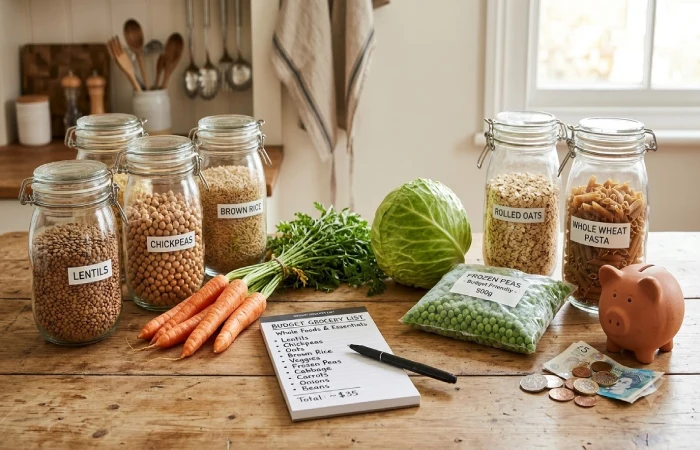
Healthy eating doesn‘t have to cost you money.
Budget-friendly healthy eating begins with planning. Prepare a weekly menu in advance, see what food you already have (in your kitchen or freezer), and make a shopping list.
Affordable nutritious options include:
- Beans
- Lentils
- Chickpeas
- Eggs
- Oats
- Brown or any other form of whole grain
- Vegetables available according to the season.
- Frozen vegetables.
- Fruits that are available throughout the year but have their peak season.
- Canned fish
- Plain yogurt
- Nuts and seeds in moderation
USDA suggests to focus on food cost, plan meals around your food budget, make a grocery list, compare unit prices, purchase foods in bulk when appropriate, and utilize beans, canned or frozen vegetables to extend your food dollars.
Budget-Friendly Food Swaps
Higher cost less costly
Regular eat-out meals Home-prepared meals
Specialty protein products I would include eggs, beans, and lentils under this category.
Fresh produce out of season Seasonal or frozen produce
Packaged snack foods Oats, fruit, roasted chickpeas
Individual yoghurt portions A bit bigger than the individual yoghurt cups.
Restaurant lunches= leftovers from dinner
Pre-planning foods with similar ingredients for different meals helps eliminate excess and buy less groceries. According to the CDC, common ingredients are suggested for use in recipes and larger quantities of food should be stored over multiple easy meals.
Vegetarian Healthy Diet
Vegetarian healthy diet can contain plenty of nutrients if it consists a good diversity of foods.
Useful vegetarian protein sources include:
- Lentils
- Chickpeas
- Kidney beans
- Black beans
- Tofu
- Tempeh
- Soy foods
- Eggs, if eaten.
- Plain yogurt, dairy foods, if they are included
- Nuts and seeds, which are also good sources of calcium.
A vegetarian meal can be as simple as:
Dal; rice, brown and white; vegetables; or chappattis +plain yogurt
or:
The chickpea salad + the wholegrain roti + the vegetables.
Vegans and very restricted vegetarians should be especially vigilant about intake of vitamin B 12, iron, calcium, iodine, vitamin D and omega-3 fatty acids. Supplemental or fortified foods may be recommended depending on the diet and should be individualized by a registered dietitian.
High Protein Healthy Diet
A healthy diet high in protein should not include excessive consumption of meat or other animal products, nor should it require significant consumption of processed protein foods.
Alternatively, select a range of protein foods.
Options with animal sources
- Eggs
- Fish
- Chicken
- Seafood
- Plain Greek-style yogurt
- Milk or other appropriate dairy products
Vegetability options
- Lentils
- Beans
- Chickpeas
- Tofu
- Soy foods
- Nuts
- Seeds
In the 2026 guidelines, the CDC suggests including a personal choice of several animal and plant based proteins:
Example High-Protein Meals
- Breakfast: eggs + vegetables + toast (preferably whole-grain)
- Lunch: Chickpea and quinoa bowl + vegetables
- Snack: simple yogurt + fruit + seeds
- Dinner: Grilled fish or tofu with vegetables and brown rice
How much you require depends on your age, size, activity level and health status. If you have a certain medical condition, you may require specific dietary advice rather than increased protein intake.
Healthy Eating for Active People
Individuals who are training regularly may have increased energy demands and may need to be especially aware of their protein, carbohydrate, hydration and meal timing intake.
Useful foods include:
- Oats
- Bananas
- Potatoes
- Whole grains
- Eggs
- Fish
- Chicken
- Beans
- Lentils
- Yogurt
- Nuts and seeds
Combining a source of carbohydrate with a source of protein may make up a balanced meal before or after exercise depending on the type and duration of exercise.
You do not need specialist ‘sports foods’ for every training session. A healthy diet will provide many of the nutrients required to support normal activity.
Healthy Eating for Weight Management
For those using this plan for weight management, it is about the overall eating pattern and not about avoiding one specific food group.
Helpful habits include:
- Eat lots of vegetables.
- Select whole fruits instead of juice.
- Foods containing protein.
- Choose whole grains high in fiber.
- Know your portions.
- Limit intake of sugar-sweetened beverage.
- Cut down on foods high in sugar, salt, and saturated fat, as well as highly processed foods upto5 A day.
- Page two Drink Water (Repeate water many times).
Eating healthfully to maintain weight: CDC states that a healthy diet for weight management consists of an assortment of foods rich in nutrients and that salt, fat, and sugar should be minimized, that cutting out a full food group (ie carbs) is unwarranted.
How to Adapt Healthy Eating to Your Needs
You don‘t have to change your fundamental healthy eating pattern; you can change the actual foods and how much you consume.
- Need Helpful focus
- Novice Small, doable steps
- A wide range of family-related activities and the ‘codification of their group into a single family’ (paraa familia) through communal eating. Budget constraints Beans, lentils, eggs, as grown fruit and veg(nov)
- Vegetarian Legumes, soy, nuts, seeds, fortified foods
- Could their requirements be higher? Protein at meals and snacks
- Active lifestyle Proper energy, protein and hydration
- Weight management Paying attention to portion sizes and nutrient dense foods
| Need | Helpful focus |
| Beginner | Small, sustainable changes |
| Family | Variety and shared meals |
| Limited budget | Beans, lentils, eggs, seasonal produce |
| Vegetarian | Legumes, soy, nuts, seeds, fortified foods |
| Higher protein needs | Protein at meals and snacks |
| Active lifestyle | Adequate energy, protein and hydration |
| Weight management | Portion awareness and nutrient density |
The key is flexibility. A good overall eating pattern is one that fits into your life, rather than one that causes you to have to completely change your life.
Simple Healthy Eating Rules to Follow
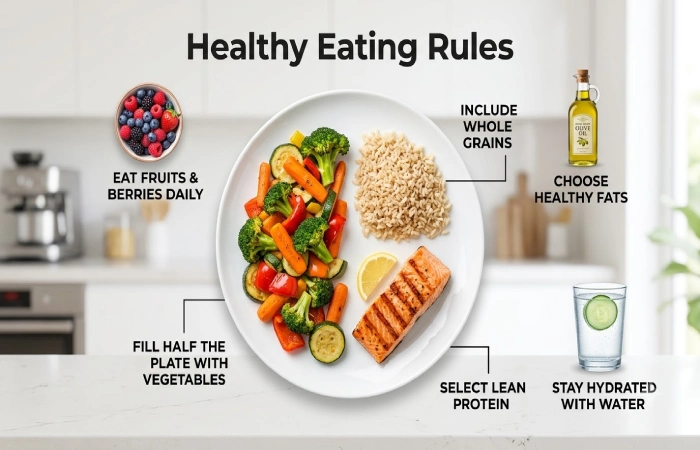
If you want a simple starting point, remember these seven principles:
- Eat more diverse foods.
- Make sure you include vegetables and fruits on the daily diet.
- Select healthy protein options.
- Whenever possible, select whole grains and high fiber foods.
- Select healthy fats in moderation.
- Limit the intake of added sugars, salt and highly processed foods.
- Base your meals on your financial situation and way of life.
The CDC points out that it is okay to include foods that a person likes and is a good value without the detriment of eating a healthy diet.
Frequently Asked Questions
What are healthy eating for beginners?
Begin by making minor modifications such as increasing the intake of vegetables and fruit, incorporating a source of protein with each meal, eating whole grains and increasing the volume of water consumed while decreasing the intake of processed foods.
How can each family eat healthy together?
Use a variety of vegetables, fruits, grains, protein foods, and dairy foods or fortified soy and rice products on a regular basis to plan meals and snacks. Shopping and preparing meals with children is an excellent way to promote healthy eating habits.
Is it possible to eat healthy even on a limited budget?
Yes. Many healthy, affordable options for example: dried beans, lentils, eggs, oats, seasonal produce, frozen vegetables and whole grains. Planning meals and writing shopping lists are further ways to avoid waste of money.
What foods are best for a high protein healthy diet?
Sources of protein include eggs, fish, chicken, yogurt, beans, lentils, chickpeas, tofu, soy, nuts and seeds.
Is eating healthily more costly?
No. Healthy eat- ing can be built around cheap basics. Planning meals, buying season- al produce, using frozen4.