
Written By:Sameena Fatima
Reviewed By:Mirza Ibrahim Ali Khan
Medical Reviewed By:Reyansh Sethi
Published on:Aug 5, 2026
Last Updated on:Aug 20, 2026
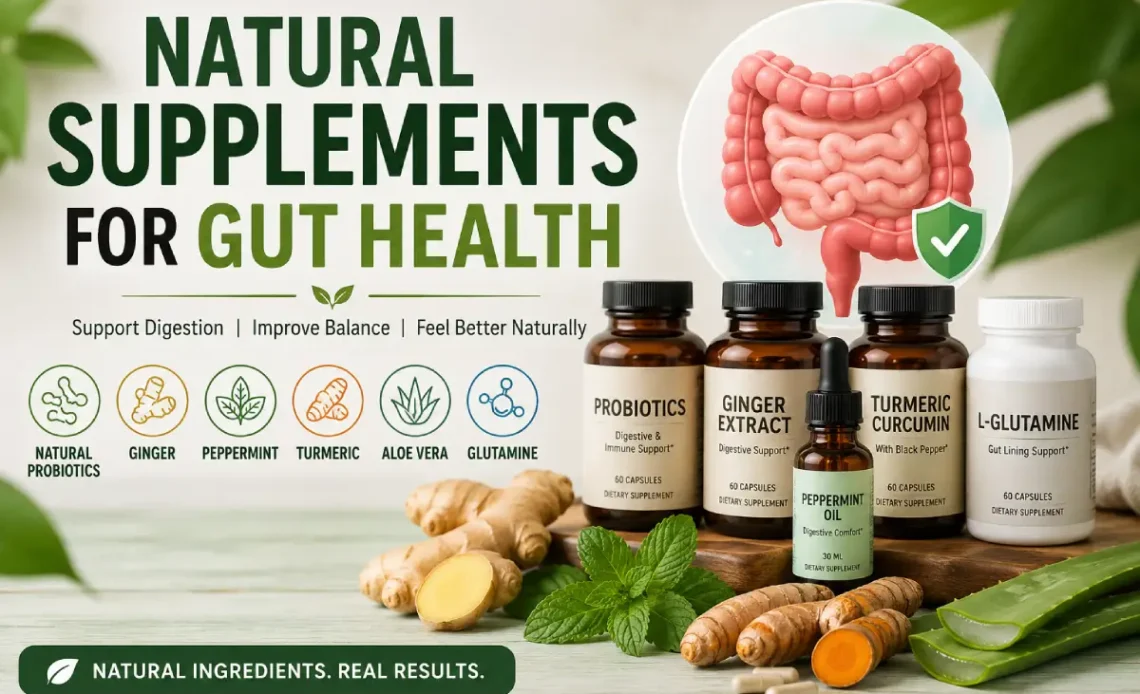
Natural Supplements Gut health is another area which has seen a rising demand for gentle, evidence-based solutions for improving digestion, assuaging bloating and enhancing the health of the gut microbiome. Although the cornerstone of digestive health is predominantly a good diet, in addition there are a number of natural supplements that can support gut function including probiotics, herbal digestive herbs, ginger, turmeric, peppermint, aloe vera and glutamine. Ongoing research through to 2025 and 2026 highlights the ongoing importance of the gut microbiome in digestion, immune health, metabolic processes and general health.
If you want to avoid occasional bloating, get relief from indigestion, or just maintain good gut health, read through our full guide to see how natural supplements work, who they may be right for, and how to choose evidence to select the best products.
This Article is the Part of Health Habits
Why Gut Health Matters
There are trillions of microbes living within the digestive tract; this collection of microbes (bacteria, fungi and others) is called the gut microbiome. These microbes have an important role as:
- Food digestion.
- Producing vitamins chemical.
- Supporting immune function: H. pylori infection can decrease the number of T-cells and affect production of cytokines.
- Intestinal barrier maintenance.
- Swings the metabolism: Certain ingredients are capable of shifting the metabolic rate.
- Sending messages to the brain with the gut-brain axis
An imbalance in the gut microbiome may contribute to digestive symptoms such as:
- Bloating
- Gas
- Constipation
- Diarrhea
- Indigestion
- Stomach pain
Supplements can be no substitute for healthy eating but may help some people.
Signs Your Gut May Need Extra Support
You may benefit from reviewing your digestive health if you frequently experience:
Symptom Possible Cause
- Frequent bloating Microbiome discrepancy/food allergy or intolerance .
- Constipation Inadequate fiber consumption or decreased motility of the intestinal tract.
- Diarrhoea Infection, IBS, or antibiotics
- Acid reflux Digestive problems medical intervention needed if persistent
- Too much gas Abnormal fermentation
- Appertite Functional bulimic syndromes
- Recent use of antibiotics Expelled good bacteria
The development of a recurrent symptom by itself does not necessarily imply a diagnosis of functional disorder. Any patient with a persistent symptom should consult their doctor.
Benefits of Natural Supplements for Gut Health
Natural supplements may provide direct digestive aid depending on what nutrients are present.
- Potential Benefits
- Reinforcing good gut bacteria.
- Enhance the comfort of digestion
- Reduce the occurrence of bloating that typically happens once and often.
- Encourage the regular passage of feaces, takes water in stool.
- Support nutrient absorption.
- To kept up the intestinal barrier.
- Cut out intake of dietary fiber 5mg and above.
- Support immune health through gut function
Results will vary from one individual to another based on diet, health, lifestyle and the particular supplement taken.
2026 Comparison: Popular Natural Supplements for Gut Health
Supplement Primary Benefit Best For Scientific Evidence
- Natural probiotics Probiotic bacteria numbers & nature Restores beneficial bacteria Support recovery after antibiotic High
- Ginger supplements Digestion enhancer and anti-emetic Indigestion Moderate-High
- Peppermint supplements Reduces tension of muscles in the gut IBS symptoms High
- Turmeric (Curcumin) Supports healthy inflammation response (refer to inflammation section of this site) supports digestive comfort Moderate
- Aloe vera It is anti-inflammatory to the digestive tract. Occasional digestive irritation. Limited-Moderate
- Glutamine supplements Supports intestinal lining Gut barrier support Moderate
- Digestive enzymes Enhancement of food digestion Digestive enzyme deficiency Moderate
The strength of the evidence is determined by how well current clinical trials have demonstrated the findings (this may differ by condition and formulation).
Best Natural Supplements for Gut Health
Natural Probiotics
Natural probiotics are one of the most widely studied supplement to benefit the digestive system. They add in beneficial bacteria that help to balance the microflora of the gut.
Common Probiotic Strains
- Lactobacillus
- Bifidobacterium
- Saccharomyces boulardii
Potential Benefits
- Promotes normal digestion
- Can potentially decrease diarrhea caused by antibiotics
- Supports the balance of microbes.
- Supports immune system
Natural Food Sources
Instead of supplements alone, probiotics are naturally found in:
- Yogurts with live cultures.
- Kefir
- Kimchi
- Sauerkraut
- Miso
- Tempeh
There is possible benefit for many healthy adults in taking fermented foods alongside a good probiotic supplement for more comprehensive microbiome support.
2. Ginger Supplements
Ginger is a traditional medicine for centuries that supports healthy digestion.
It possesses active components, such as gingerols and shogaols, which are thought to affect the motility of the stomach and the sensation of digestion.
Potential Benefits
- Pushes the stomach emptying
- Helps to prevent the vomiting illness of nausea.
- May relieve indigestion
- Helps relieve digestive discomfort after eating
Best For
- motion sickness
- Mild indigestion
- Pregnancy-associated nausea (to take and under medical supervision)
- Post meal discomfort
Available Forms
- Capsules
- Powder
- Tea
- Liquid extracts
- Ginger root fresh
Specifically, many individuals opt for ginger tea to treat lighter cases of upset stomach; however, standardized supplement doses could help.
3. Peppermint Supplements
Peppermint is the most commonly used herbal supplements used for digestive properties, especially for individuals presenting with symptomatology associated with IBS (Irritable bowel syndrome).
Enteric coated peppermint oil capsules. These dissolve in the gut rather than the stomach. This aids in reducing the irritation from the substance and also ensures the drug is being discharged in the correct area.
Potential Benefits
- Relaxes the muscles of the intestine
- May alleviate pain in the stomach.
- May help to alleviate occasional bloating
- May reduce bowel spasms
Best For
- IBS attacks of gastro-intestinal pain.
- Gas and bloating
- Mild abdominal cramping
Functional CLASS. Carminative: Peppermint may be contraindicated in those with frequent acid reflux, as they can sometimes increase these symptoms.
Turmeric for Digestion
Turmeric: This strong yellowish-orange spice derived from the plant is used in many traditional medicines and is one of the most widely used herbal digestive aids. Its main component, curcumin, has proved antioxidant and anti-inflammatory qualities.
While investigations are ongoing, evidence from a few clinical trials published up to 2025–2026 point toward the possibility that curcumin may enhance gastrointestinal comfort for some functional digestive disorder sufferers in conjunction with a healthful diet.
Potential Benefits
- Promotes a healthy inflammatory response
- Can help alleviate occasional gastrointestinal problems
- Supports the function of the liver and gallbladder.
- Helps to protect the cells from oxidative stress
Best For
- Mild indigestion / digestive discomfort
- Overall digestive health
- Those seeking the antioxidant benefits of plants
Natural Food Sources
- Uncooked turmeric root
- Ground turmeric powder
- Golden milk.
- Curry dishes, other than mutton,beef, chicken or vegetable curry, with naan.
Tip: Curcumin absorption can be enhanced by taking with black pepper extract (piperine) or with healthy fats.
Aloe Vera for Gut Health
Aloe vera for gut is popular because the gel can potentially calm inflammation in the digestive system.
Only purified, decolorized aloe vera products that are intended for oral use should be used. Whole-leaf Aloe-vera products containing latex may have a laxative effect and are not normally recommended for use.
Possible Benefits
- Aids in relaxing the gastrointestinal tract
- Vegan Supports Hydration
- For some, may facilitate normal bowel movements.
- Contributes to a healthful, comfortable gastrointestinal system.
- Available Forms
- Aloe vera juice
- Capsules
- Powder
- Dairy ingredients.
Aloe vera supplements should not be taken by individuals with kidney disease or pregnancy or any other medical condition without medical advice.
Glutamine Supplements
Glutamine this is the most common amino acid in the body, it also provides energy to the cells of the intestinal lining
Much interest remains in continuing the search for its possible involvement with maintaining the health of the intestinal barrier, especially in times of physical stress or illness.
Potential Benefits
- Sustains the cells of the intestinal lining.
- May contribute to the preservation of the integrity of the gut barrier, by helping to reduce acidity.
- Facilitates recovery after strenuous exercise.
- May support digestive health for some people under healthcare professional care.
Best For
- Suffering from disease or operating (when done as alert by a skilled health supervisor)
- High training dos athletes
- Anyone requiring further nutritional assistance
- Routine use are not indended for everybody and should be individualise
How to Choose the Right Herbal Digestive Supplements
Not all supplements are created equal. Selecting well-made supplements may reduce risk and increase the chance of delivering the desired ingredient.
Buying Checklist
- What to Look For Why It Matters
- Third-party testing Ensures the purity and quality of a product
- Transparent ingredient label Facilitates the recognition of active ingredients or additives
- Effectively tested clinically strains or extracts Perhaps more likely to be backed by evidence
- Appropriate dosage Matches research-backed recommendations
More reputable manufacturer To improve quality of products, the manufacturer should increase the percentage of the production inspected and should also randomly inspection the products.
- Expiration date assures, maintains potency
- Store in Usageinformation Retains stability of the product
- Avoid Products That
Make outrageous “cure-all” claims. Exaggerate what types of illnesses we can help you with. When you contact us by phone, make sure we understand how sick you are and what the problem is. Highlight the benefits of your product. If you want to make several claims, be sure that nobody else can make them for you.
- Hide quantities of ingredients in proprietary blends
- Unable to find contact details for the manufacturer
- Have poorly maintained safety warning labels or inadequate packaging
Final Thoughts
Natural supplements for gut health can be a helpful addition to a healthy diet and lifestyle. These can provide support to digestion and a healthy gut microbiome. 2026 has evidence to support the use of natural probiotics, peppermint oil and ginger in certain specific circumstances, while turmeric, aloe vera and glutamine may be helpful in certain individuals.
The most practical solution is tailored to your own needs: optimally, it should involve top-quality products, based on scientific evidence, emphasizing nutrient-dense food, remaining physically active, effectively and consciously reducing stress levels, and being somewhat aware of medical advice when the implement is trying to be applied consistently in life, especially if the gastrointestinal problems are frequent or severe.