
 Sameena Fatima
Health & Wellness Content Writer
in
Sameena Fatima writes reader-focused
health and wellness content for
HealthBloomWeb, covering fitness,
nutrition, healthy lifestyle and
everyday wellness topics.
Sameena Fatima
Health & Wellness Content Writer
in
Sameena Fatima writes reader-focused
health and wellness content for
HealthBloomWeb, covering fitness,
nutrition, healthy lifestyle and
everyday wellness topics.
 Mirza Ibrahim Ali Khan
Editorial & Content Reviewer
in
Mirza Ibrahim Ali Khan contributes to
HealthBloomWeb's editorial review process,
with a focus on content structure,
readability, search intent and overall
editorial quality.
Mirza Ibrahim Ali Khan
Editorial & Content Reviewer
in
Mirza Ibrahim Ali Khan contributes to
HealthBloomWeb's editorial review process,
with a focus on content structure,
readability, search intent and overall
editorial quality.
 Reyansh Sethi
Medical Reviewer
in
Reyansh Sethi contributes to the medical
review process at HealthBloomWeb, focusing
on clarity, responsible health context and
reader-friendly presentation of health
information.
Reyansh Sethi
Medical Reviewer
in
Reyansh Sethi contributes to the medical
review process at HealthBloomWeb, focusing
on clarity, responsible health context and
reader-friendly presentation of health
information.
A multitude of factors affect a person‘s mental health. It is well recognized that good sleep, exercise, management of stress, and proper nutrition are important. However, with therapy and other lifestyle changes still being center pieces of mental health care, studies are indicating how our food intake affects our mental outlook.
The brain also needs a constant stream of nutrients from the diet in the form of vitamins, minerals, good fats and amino acids to build the neurotransmitters it is so reliant on, like serotonin, dopamine, GABA. The stream of these allows us to keep our mood, brain function, ability to concentrate and our feelings of well-being. If the nutrients are lacking certain symptoms like fatigue, brain fog, irritability, anxiety and depression can be much more enhanced.
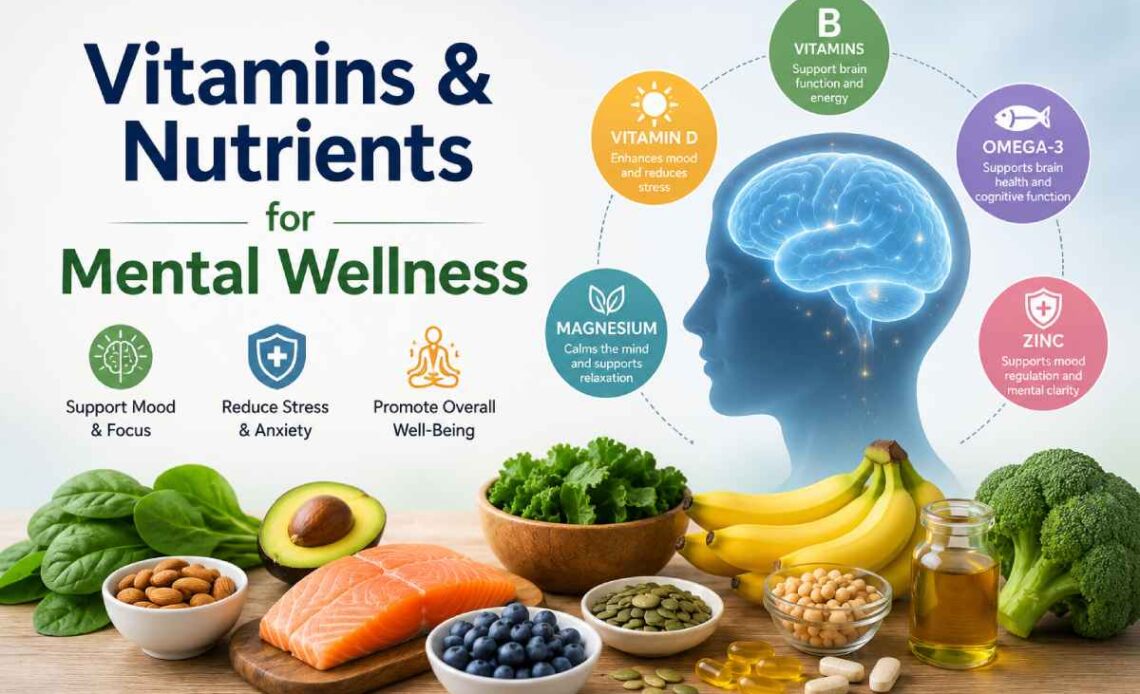
In this handbook, you‘ll learn all about the key brain nutrients and vitamins, such as the best vitamins for anxiety basics, vitamin D for the depressed brain, omega-3 fish oil for optimal brain functioning, B vitamins for stress reduction, and how zinc and magnesium can help.
This Article is a Part of Anxiety Relief
The Importance of Nutrition in the Mental Health Sector
The brain is the most metabolically active organ within the body; it accounts for approximately 20% of daily total energy consumption. It is reliant upon a continuous supply of nutrients to maintain signalling between neurons, to protect the nerve structure and also to synthesize the neurotransmitters and inflammatory modulation.
Poor diet also plays a role in cognitive functioning, emotion, memory and the ability to handle stress. An exciting and growing area in nutritional science- nutritional psychiatry- have also started acknowledging the impact of diet quality on psychiatric functioning. A
nutritious diet can:
- Promote neurotransmitter production.
- Brain cell repair and maintenance
- Healthy stress response
- Cognitive performance
- Memory and concentration
- Emotional balance
- Better sleep quality
Best Vitamins for Anxiety
Anxiety is a normal form of stress, however, long-term anxiety can be exacerbated by poor nutrition. Some vitamins are essential to nervous system control and production of neurotransmitters.
It is worth noting that there is research to suggest that low levels of vitamin D, vitamin B12, folate and magnesium are linked with anxiety symptoms. Vitamins are known not to treat anxiety disorders but keeping a healthy level of nutrients in the body could be beneficial.
Vitamins Commonly Linked to Anxiety Support
| Vitamin | Mental Wellness Function |
| Vitamin D | Mood regulation and emotional balance |
| Vitamin B6 | Serotonin and dopamine production |
| Vitamin B12 | Health of your nervous system |
| Folate (B9) | Neurotransmitter production |
| Vitamin C | Stress hormone support |
Those with persistent anxiety issues should seek guidance from their doctor as nutritional support functions best when used in conjunction with evidence-based strategies.
Vitamin D and Mood Support
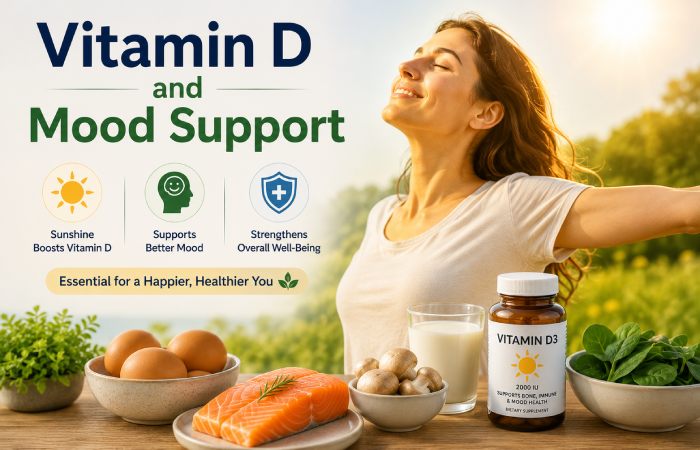
Popularly referred to as the “sunshine vitamin” as the body produces the nutrient in response to UV exposure from sunlight. In addition to being essential for the structure of bones, vitamin D is gaining prominence for its role in cognitive function and mood regulation.
Vitamin D receptors are found all over the brain indicating a direct influence over neurological functions. Studies have linked lower vitamin D levels with increased rates of depressed moods, low moods, fatigue, etc.
A sufficiency in vitamin D may aid in the following:
Mood support
Resilience toward emotional state
Cognitive support
Sleep health
Best Sources of Vitamin D
| Food Source | Vitamin D Level |
| Salmon | High |
| Sardines | High |
| Tuna | Moderate |
| Egg Yolks | Moderate |
| Fortified Milk | Moderate |
| Mushrooms | Moderate |
In the case that the deficiency is common the world over, healthcare providers have the ability to suggest a blood test.
Omega-3 for Brain Health
Omega-3 fatty acids are really important for how we feel. They have been studied a lot to see how they affect our minds. Omega 3: Epa And DHA EPA, along with DHA, make up part of the membranes that make up your neuron cells. This is important, for omega-3 fatty acids because they help our neurons talk to each other.
DHA is responsible for maintaining brain structure, whilst EPA is responsible for potentially healthy inflammatory responses influencing the brain, which may influence mood and cognitive performance.
It is thought that omega-3 fatty acids are beneficial for:
- Memory and learning
- Emotional stability
- Cognitive performance
- Healthy aging of the brain
- Mood regulation
Studies show individuals that incorporate high levels of fatty fish into their diets perform well overall compared to those who consume lower omega-3 rich foods
Top Omega-3 Rich Foods
| Food | Omega-3 Content |
| Salmon | Very High |
| Sardines | High |
| Flaxseeds | Moderate |
| Herring | High |
| Walnuts | Moderate |
| Mackerel | High |
| Chia Seeds | Moderate |
You could eat some oily fish once or twice a week if you wanted to get more omega-3 in to your diet. An easy and healthy choice, increasing the amount of omega-3 in your diet – once or twice a week.
B Vitamins, for Stress Relief
B vitamins are really important. They help turn food into energy. They also keep your system working properly. This helps your body make chemicals that control your mood and stress.
While the stress takes your body the increased dosage of Vitamin B is very vital, thus it should be adequate from food so that you can prevent the weariness. If deficiency of Vitamin B occur; the person would be a very low energy one. You might have trouble focusing. You might get irritable. Low energy levels may be experienced.
The key B vitamins to take for mental health are B6, B9 (folate) and B12.
Key B Vitamins and Their Functions
| B Vitamin | Mental Health Benefit |
| B1 (Thiamine) | Energy metabolism |
| B2 (Riboflavin) | Cellular energy generation |
| B3 (Niacin) | Brain function support |
| B6 | Serotonin production |
| B9 (Folate) | Mood regulation |
| B12 | Nerve health and cognition |
Food sources of B vitamins include:
- Eggs
- Poultry
- Fish
- Dairy products
- Legumes
- Whole grains
- Leafy greens
Add plenty of these foods into your balanced diet to help combat the ill effects of stress and optimize your cognitive functioning.
Zinc & Magnesium Benefits
It has helped my emotional and mental health Zinc and Magnesium Zinc & Magnesium helps with: – Stress & Anxiety & Emotional health We love our Zinc & Magnesium.
Magnesium Benefits
Magnesium is good for things in our body. It helps with, over 300 reactions.
Magnesium helps calm the system. It supports muscle relaxation and sleep quality.
Potential mental wellness benefits include:
- Improved relaxation
- Better sleep quality
- Healthy stress response
- Reduced nervous system overactivity
- Enhanced emotional balance
Zinc Benefits
For healthy brain function: Zinc enhances the activities of neurotransmitters, provides a boost for immune function and helps ensure your cells can communicate easily with one another.
Potential benefits include:
- Cognitive support
- Memory enhancement
- Mood regulation
- Brain cell communication
- Healthy nervous system function
Zinc vs Magnesium Comparison
Mineral Primary Mental Health Role Food Sources comparison
Magnesium Helps with relaxation and managing stress You can find it in almonds, spinach and pumpkin seeds
Zinc Plays a role in how we think and our mood It is found in foods like oysters, beef and pumpkin seeds
Other Important Nutrients for Mental Wellness
Iron and Cognitive Function
Iron is really important because it helps get oxygen to all parts of the body including the brain. If you do not have iron you might feel tired all the time have trouble focusing and your mental performance will not be as good as it should be. Zinc and Magnesium are important. Iron is also crucial, for our mental health.
Common sources include:
- Lean red meat
- Lentils
- Beans
- Spinach
- Tofu
Choline and Memory Support
Choline is necessary for producing acetylcholine, a neurotransmitter involved in memory, learning, and concentration.
Rich sources include:
- Eggs
- Liver
- Soybeans
- Chicken
- Fish
Vitamin C and Stress Management
“It’s an antioxidant to protect brain cells from being attacked, and there’s evidence for it supporting neurotransmitters that are implicated in mood regulation,” says clinical nutritionist. “So we’ll consider it for people who have higher levels of perceived stress or who’ve had a really big emotional impact.”
Excellent sources include:
- Acidic fruits like orange, lemon, limes, etc
- Strawberries
- Kiwi
- Bell peppers
- Broccoli
Best Foods for Mental Wellness
Instead of a concentration on separate nutrients, professionals advice to incorporate a pattern of nutritious-filled food.
The Food Group for brain healthy foods including the mental wellness advantages:
- Fat-eating plan omega-3 fatty acid foods.
- Leafy greens folate and magnesium
- berries anti-oxidant.
Nuts/seed, Healthy essential oil and minerals.
Beans B-vitamin-eating and whole grains steady provide of energy-filled foods gut–-eating and eggs choline and B vitamin–filled foods. The style of feeding Mediterranean with berries, olive fuel and legumes as well as vegetables and fruits and fish in addition to seeds have a good tendency to good mental-healthy final result.
One Mediterranean Diet plan centered all around fruit and veggies, fish, legumes,nuts and olive oil is in addition commonly in better psychological health.
Nutrient Deficiencies
That can impact psychological Wellbeing Several of these nutritional insufficiencies can effect mood and thinking. Nutrient Shortage Potential Indications
| Nutrient Deficiency | Possible Symptoms |
| Vitamin D | Low mood, fatigue |
| B12 | Brain fog, memory issues |
| Folate | Mood changes |
| Magnesium | Stress sensitivity |
| Iron | Fatigue, poor focus |
| Zinc | Reduced concentration |
| Omega-3 | Cognitive decline risk |
If symptoms persist despite lifestyle improvements, laboratory testing can help identify potential deficiencies.
Should You Take Supplements for Mental Wellness?
Whole foods should remain the primary source of nutrients whenever possible. However, supplements may be beneficial for individuals with diagnosed deficiencies, dietary restrictions, limited sun exposure, or increased nutritional needs.
Before starting supplements, consider:
- Current dietary habits
- Medical history
- Existing medications
- Laboratory testing results
- Professional healthcare guidance
Supplements are really good when you use them as part of a plan to take care of your self not as a way to replace eating healthy food.
Lifestyle Habits That Support Mental Wellness
Food is one thing that helps with mental wellness. Mental wellness is like a puzzle and food is one piece. When you eat food that’s good, for you and you also do healthy things every day this is the best way to take care of your emotions and your brain.
A few things that are beneficial.
- To try implementing in your everyday life include, Lots of sleeping.
- Reducing stress, well.
- Staying in good contact with people outside and having lots of fun!
- Making use of mindful-making.
- Avoid getting super mega highly ultra mega processing processed foods!
- Eating these things helps you for the future.
FAQ
Can vitamin D boost moods?
It appears that having a healthy level of vitamin D may also help with mood stability and good mood in general, especially for those who are vitamin D deficient.
What B vitamin is good for stress?
VITAMIN B6, FOLATES, (also known as (B9)), AND VITAMIN B12 IS ALL NECCESSARY FOR THE MAKING OF NEUROTRANSMITTERS AND THE NERVOUS SYSTEM.
IIs magnesium, zinc good for mental health?
Brain health and management stress and emotions have been both minerals proven to be helpful if ingested at high amounts
Conclusion
Our mental health and well-being is also tied to our lifestyle choices and proper intake of nutrients. Provided these are a part of a healthy lifestyle that includes adequate quality sleep, exercise and stress control, the use of supplements may benefit as a means of correcting particular deficiencies. By focusing on nutrient-rich foods and favoring good habits you can establish a more solid ground for mental wellness, strength, and quality of life.