
 Sameena Fatima
Health & Wellness Content Writer
in
Sameena Fatima writes reader-focused
health and wellness content for
HealthBloomWeb, covering fitness,
nutrition, healthy lifestyle and
everyday wellness topics.
Sameena Fatima
Health & Wellness Content Writer
in
Sameena Fatima writes reader-focused
health and wellness content for
HealthBloomWeb, covering fitness,
nutrition, healthy lifestyle and
everyday wellness topics.
 Mirza Ibrahim Ali Khan
Editorial & Content Reviewer
in
Mirza Ibrahim Ali Khan contributes to
HealthBloomWeb's editorial review process,
with a focus on content structure,
readability, search intent and overall
editorial quality.
Mirza Ibrahim Ali Khan
Editorial & Content Reviewer
in
Mirza Ibrahim Ali Khan contributes to
HealthBloomWeb's editorial review process,
with a focus on content structure,
readability, search intent and overall
editorial quality.
 Reyansh Sethi
Medical Reviewer
in
Reyansh Sethi contributes to the medical
review process at HealthBloomWeb, focusing
on clarity, responsible health context and
reader-friendly presentation of health
information.
Reyansh Sethi
Medical Reviewer
in
Reyansh Sethi contributes to the medical
review process at HealthBloomWeb, focusing
on clarity, responsible health context and
reader-friendly presentation of health
information.
Nutrition & Supplement Support: Why It Matters More Than Ever
Nutrition & Supplement Support is now the largest quarter of today s wellness world as given more and more people chronic stress, lack of restful sleep, lack of energy, and toxic eating habits. Supplements should supplement a healthy diet and healthy lifestyle not be the substitute for them.
A growing body of evidence exists on the influence of nutrition on the majority of health parameters including energy, hormone production, immune health, recovery, brain health and ability to adapt to stress. In our modern, hectic lifestyles, sub optimal nutrition and food trigger choices may result in fatigue, disturbed sleep, mood disturbances and difficulty dealing with stress.
This Article is a part of Cortisol Management
The bright side is that concerted effort at nutrition and scientific supplementation can contribute to healthfulness in combination with other health giving behaviors like exercise, sleep, and stress basics reduction.
Best For Stress Relief Supplements: this complete guide to healthy living provides information on the best supplement for stress, magnesium vs ashwagandha, vitamin deficiencies and stress, cortisol support supplements, natural sleep support.
Why Nutrition Is the Foundation of Wellness
All cells in the body require nourishment in order to perform their functions. Without sufficient nutrition, the body‘s capacity for recovery, adaptability to stress and energy may be significantly reduced.
Key Functions of Nutrition
| Nutrient Type | Primary Role |
| Protein | Muscle repair and recovery |
| Healthy Fats | Brain and hormone health |
| Magnesium | Nervous system support |
| Vitamin D | Mood and immune function |
| B Vitamins | Energy metabolism |
| Zinc | Immune support |
Signs Your Nutrition May Need Improvement
- Frequent fatigue
- Poor sleep quality
- Difficulty concentrating
- Increased stress sensitivity
- Slow workout recovery
- Frequent cravings
2026 Wellness Priorities for Stress Support
Based on current wellness trends and expert recommendations, these are among the most important pillars for managing stress and supporting overall health.
2026 wellness priorities
Relative importance of wellness habits for stress management and recovery.
036912Quality SleepWhole Food NutritionStress ManagementRegular ExerciseTargeted Supplements
Key takeaway: Supplements can help, but sleep, nutrition, and lifestyle habits remain the foundation of long-term wellness.
Best Supplements for Stress Relief
Many supplements are marketed as stress solutions, but only a few have substantial popularity and practical applications within wellness routines.
Magnesium
Magnesium is one of the most commonly recommended nutrients for supporting relaxation and recovery.
Potential Benefits
- Supports muscle relaxation
- Helps maintain nervous system function
- May support sleep quality
- Important for energy production
Best Sources
- Pumpkin seeds
- Spinach
- Almonds
- Magnesium supplements
Omega-3 Fatty Acids
Omega-3 fats play an important role in brain and cardiovascular health weight loss .
Benefits
- Supports cognitive health
- Supports mood regulation
- Encourages healthy inflammation response
Food Sources
- Salmon
- Sardines
- Mackerel
- Algae-based foods
Vitamin D
Vitamin D is essential for numerous biological processes.
Benefits
- Supports immune health
- Supports bone health
- Contributes to mood regulation
B-Complex Vitamins
B vitamins help convert food into usable energy.
Benefits
- Energy metabolism
- Nervous system support
- Mental performance
Magnesium vs Ashwagandha
One of the most searched supplement comparisons involves magnesium and ashwagandha.
Although both are associated with stress support, they work differently.
Magnesium
Best For
- Sleep support
- Muscle relaxation
- Daily wellness
Ashwagandha
Ashwagandha is an adaptogenic herb commonly used in traditional wellness practices.
Best For
- Stress management
- Recovery support
- Busy lifestyles
Magnesium vs Ashwagandha Comparison
| Feature | Magnesium | Ashwagandha |
| Essential Nutrient | Yes | No |
| Sleep Support | Excellent | Good |
| Muscle Relaxation | Excellent | Moderate |
| Daily Use | Excellent | Good |
| Stress Support | High | High |
Expert Perspective
Magnesium is generally considered a foundational nutrient because it participates in hundreds of physiological processes. Ashwagandha is typically viewed as a complementary wellness supplement.
Vitamin Deficiencies and Stress
Many people underestimate the impact that nutrient deficiencies can have on overall wellness.
Common Nutrient Gaps
| Nutrient | Potential Wellness Impact |
| Magnesium | Fatigue, poor recovery |
| Vitamin D | Low mood, low energy |
| Vitamin B12 | Reduced energy |
| Iron | Fatigue |
| Zinc | Reduced immune resilience |
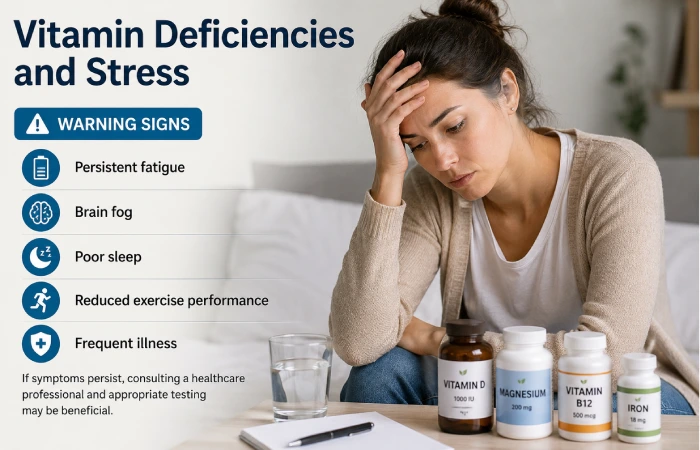
Warning Signs
- Persistent fatigue
- Brain fog
- Poor sleep
- Reduced exercise performance
- Frequent illness
If symptoms persist, consulting a healthcare professional and appropriate testing may be beneficial.
Cortisol Support Supplements
Cortisol is often called the stress hormone, but it plays essential roles in metabolism, energy regulation, and daily functioning.
The goal is not eliminating cortisol but supporting healthy balance.
Popular Cortisol Support Supplements
| Supplement | Wellness Function |
| Magnesium | Relaxation support |
| Omega-3 | Brain health support |
| Ashwagandha | Adaptogen support |
| Vitamin D | Mood support |
| B Vitamins | Energy support |
Cortisol Support Popularity Comparison
Popular cortisol support supplements
Relative popularity of supplements commonly used in stress-support routines.
0255075100MagnesiumOmega-3AshwagandhaVitamin DB Vitamins
Natural Sleep Support Remedies
Sleep is one of the most powerful tools for stress management and recovery.
Many people look for supplements before addressing basic sleep habits, which often provide the greatest benefits.
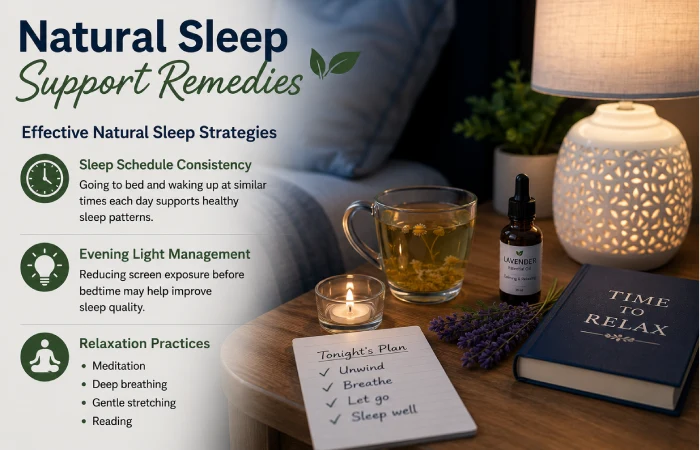
Effective Natural Sleep Strategies
Sleep Schedule Consistency
Going to bed and waking up at similar times each day supports healthy sleep patterns.
Evening Light Management
Reducing screen exposure before bedtime may help improve sleep quality.
Relaxation Practices
- Meditation
- Deep breathing
- Gentle stretching
- Reading
Sleep Support Comparison
| Method | Cost | Accessibility |
| Consistent Sleep Routine | Free | Excellent |
| Meditation | Free | Excellent |
| Evening Walk | Free | Excellent |
| Magnesium | Moderate | High |
| Herbal Tea | Low | High |
Whole Foods vs Supplements
A common question in wellness is whether food or supplements are better.
Whole Foods
Advantages:
- Natural nutrient combinations
- Fiber content
- Anti oxidants
- Greater nutritional diversity
Supplements
Advantages:
- Convenience
- Targeted support
- Useful for nutritional gaps
Comparison Table
| Factor | Whole Foods | Supplements Comparison |
| Nutrient Diversity | Excellent | Moderate |
| Fiber | High | None |
| Convenience | Moderate | High |
| Long-Term Health Support | Excellent | Supportive |
Expert Recommendation
Use supplements to fill nutritional gaps, not replace a healthy diet.
Frequently Asked Questions
What is the best supplement for stress relief?
Magnesium, omega-3 fatty acids, vitamin D, and ashwagandha are among the most commonly used supplements for stress-support routines.
Is magnesium better than ashwagandha?
They serve different purposes. Magnesium is an essential mineral, while ashwagandha is an herbal adaptogen.
Can vitamin deficiencies affect stress levels?
Nutrient deficiencies may influence energy, mood, recovery, and overall wellness.
Are supplements necessary if I eat healthy?
Not always. Individual nutritional needs vary, and some people may benefit from targeted supplementation.
What supports healthy cortisol balance naturally?
Quality sleep, exercise, stress management, whole-food nutrition, and appropriate supplementation when needed cortisol balance.
Conclusion
Conclusion Nutrition & Supplement Support isn‘t about the search for a magic pill. In order to achieve sustainable health & wellness, one must utilize the synergy of nutrient-dense foods & healthy lifestyle habits- good sleep, consistent movement & augmenting these with supplemental support as needed. In general, the best first step for most individuals is to optimize nutrition, prevent deficiencies, optimize sleep, and minimize the effects of stress on a daily basis. This can be done along with a variety of supportive supplements like magnesium, omega-3‘s, vitamin D, and ashwagandha, but all should be part of a well-structured, long-term health plan.