
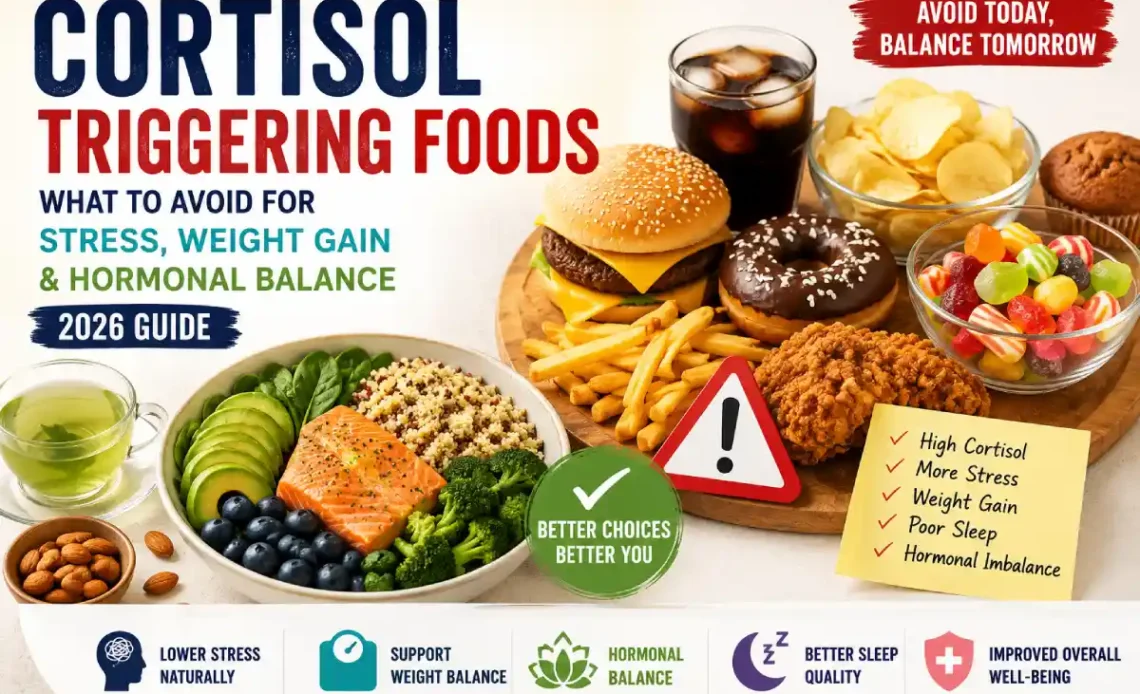
 Sameena Fatima
Health & Wellness Content Writer
in
Sameena Fatima writes reader-focused
health and wellness content for
HealthBloomWeb, covering fitness,
nutrition, healthy lifestyle and
everyday wellness topics.
Sameena Fatima
Health & Wellness Content Writer
in
Sameena Fatima writes reader-focused
health and wellness content for
HealthBloomWeb, covering fitness,
nutrition, healthy lifestyle and
everyday wellness topics.
 Mirza Ibrahim Ali Khan
Editorial & Content Reviewer
in
Mirza Ibrahim Ali Khan contributes to
HealthBloomWeb's editorial review process,
with a focus on content structure,
readability, search intent and overall
editorial quality.
Mirza Ibrahim Ali Khan
Editorial & Content Reviewer
in
Mirza Ibrahim Ali Khan contributes to
HealthBloomWeb's editorial review process,
with a focus on content structure,
readability, search intent and overall
editorial quality.
 Reyansh Sethi
Medical Reviewer
in
Reyansh Sethi contributes to the medical
review process at HealthBloomWeb, focusing
on clarity, responsible health context and
reader-friendly presentation of health
information.
Reyansh Sethi
Medical Reviewer
in
Reyansh Sethi contributes to the medical
review process at HealthBloomWeb, focusing
on clarity, responsible health context and
reader-friendly presentation of health
information.
Stress nowadays is not only mental. It manifests itself physically as well with bad sleep, unwanted belly fat, sweet tooth, tiredness, anxiety and also hormonal imbalance.
If you have been researching what foods trigger cortisol, then you are already on the right path.
This Article is a part of Cortisol Management
Cortisol is known as a stress hormone. It also has a close relationship with our glucose metabolism; blood sugar, swelling and also inflammation; the way we sleep; and the way we store fat. The trouble starts when our cortisol levels remain elevated over time.
While people often concentrate solely on prayer or physical activity, it‘s worth remembering that what you put in your mouth can indirectly influence your body‘s response to stress.
Studies in 2026 indicate some ultra-processed foods, sugar-filled diets, large amounts of caffeine, and also pro-inflammatory diets have the potential to raise cortisol or negatively influence the way people cope with stress basics.
What Is Cortisol?
Cortisol produce by the adrenal glands.
Its main jobs include:
- Regulating blood sugar
- Managing inflammation
- Supporting energy
- Controlling stress responses
- Influencing sleep cycles
Short cortisol spikes are normal.
Chronically high cortisol may be associated with:
- Weight gain
- Sleep issues
- Anxiety
- Belly fat accumulation
- Increased cravings
- Fatigue
- Hormonal disruption
Chronic elevation is associated with wider metabolic consequences. All set to look at what you should and shouldn‘t eat when under stress, you are now many steps closer to having a stress free experience. But it is worth having some background knowledge about the role of corticosteroids in stress, and the function of cortisol. Our guide to the cortisol and also stress essentials hormones may be of use.
What Happens When Cortisol Levels Are Too High?
Cortisol, a steroid hormone cortisol is secreted by the adrenal glands. It is best known as the body ‘s primary ” stress hormone”. Amy Shapiro, RD, CDN, registered dietitian and lead nutritionist at ButcherBox said, “it plays a crucial part in maintaining the body‘s energy, blood sugar, inflammation, blood pressure and also sleep/wake cycles”.
Cortisol levels naturally rise and fall throughout the day (and they should!), but they also tend to spike in response to a perceived threat. “This ‘fight or flight’ hormone allows us to interact safely with the outside world,” says Tara Roscioli, FDNP, a certified functional diagnostic nutrition practitioner. “However, when the body is chronically stressed, and also cortisol remains elevated, it then becomes destructive and causes the body to break down.”
The exact impact of cortisol depends on how long it stays elevated and how often those stress-related spikes occur. “In the short term, cortisol is beneficial since it helps mobilize energy, sharpen focus, and also support the body’s fight-or-flight response,” says Shapiro. Here are some potential consequences of long-term cortisol elevation, according to Shapiro.
- Increased blood sugar
- Suppressed immune function
- Disrupted sleep and also recovery
- Higher blood pressure
It’s not routine to test cortisol levels unless there’s a suspected medical issue. It’s also not something to manage obsessively day to day, but small, consistent habits can support more balanced levels over time.
Foods That Increase Cortisol
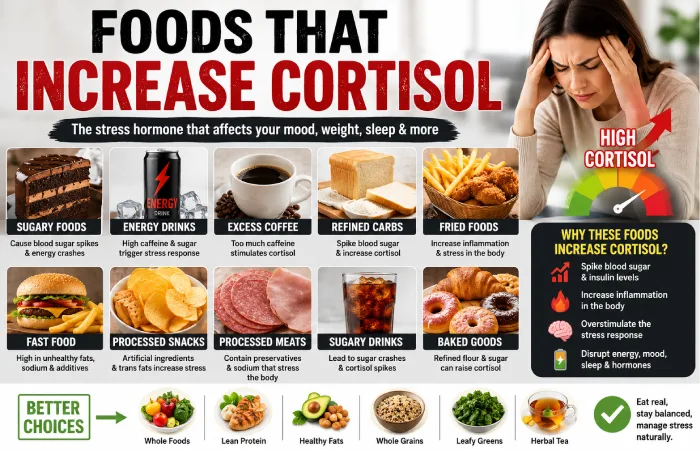
Most people think of stress, sleep, and exercise when they want to live a healthier life, but nutrition is also a factor to consider when examining the effects of stress on the body. Some foods that increase cortisol may cause larger cortisol responses to stress or simply create environments in which cortisol production is stimulated more often than normal. Cortisol is the body’s primary stress hormone and is released by the adrenal glands during times of stress to help regulate energy, blood glucose, metabolism, and inflammatory responses. Increased cortisol levels are healthy and vital in the short term, but prolonged elevation of the stress hormone may affect sleep quality, appetite, mood, weight management, and hormone levels.
Signs Your Cortisol May Be Running High
| Symptom | Possible Effect |
| Belly fat | Increased fat storage |
| Poor sleep | Elevated evening cortisol |
| Anxiety | Heightened stress response |
| Sugar cravings | Blood sugar fluctuations |
| Brain fog | Cognitive fatigue |
| Afternoon crashes | Energy dysregulation |
| Mood swings | Hormonal instability |
Remember: these symptoms do not automatically mean high cortisol. Medical evaluation may be needed.
Cortisol Increasing Foods
These ‘stress-inducing’ foods are drinks and foods that are considered to be those that can stimulate or even create states within the body where temporarily elevated levels of cortisol can occur. Cortisol is essentially the body’s ‘stress hormone’ which controls a whole raft of functions including the balance of glucose, metabolism and inflammation and also influences the production of energy and our cycle of sleep and wakefulness. Levels of cortisol fluctuate naturally throughout a normal day and also drop off in normal and healthy ways, but the effects of long-term bad diet could mean that hormonal imbalance could be occurring, this ‘stress’ on the body may be due to certain foods coupled with a lack of sleep, stress or an unhealthily balanced lifestyle.
How Food Regulates Your Cortisol Levels
The Short Answer:
While foods won’t trigger a sudden production surge of cortisol, they do have an impact on how your body’s stress response system is managed. Eating foods high in processed carbs, sugars, lots of coffee or tea, alcohol, and ultra-processed snacks may cause inflammation, disrupt sleep and blood sugar, stimulate your nervous system, and generally make it more challenging for the body to balance hormones-including the stress hormone.
A lot of people think that just one bad-for-you snack will rocket your stress hormone, but nothing so instantaneous actually happens. In the background, the body automatically maintains hormonal levels according to your sleep cycle, stress, food, physical activity and stress – no single bite raises or lowers anything for all time. On the contrary, whole foods help us maintain stable glucose levels, supply us with a slew of vital nutrients and take unnecessary strain off our system. Foods in the form of processed-products and fizzy sugar drinks, on the contrary, impede regulating the body hormones.
4 ways that foods can affect your cortisol
The impact of foods on your cortisol levels varies, but here are 4 foods to take into consideration:
1. Fluctuations In Blood Sugar
When you eat refined foods that are rich in simple carbs and sugar, then they would Spike your blood sugars quite. The insulin would rush in to try to bring things back to normal, only to have you Feel depleted and hungry again.
That constant cycle Of blood sugar ups and downs can cause more stress on your bodies systems, over time influencing your cortisol levels.
Examples Of High Sugar Foods: Soda Candies white bread Pastries sugary cereal
2. Chronic inflammation
Many processed, highly refined and highly convenient foods are full of unhealthy fats, sugars and salt. Low in fiber or other beneficial nutrients or Protective compounds. A chronically inflammatory diet is associated with worse overall metabolic health And the more stress, the more your cortisol would take effect.
Examples Of Foods associated with more inflammation: Deep-fried foods Processed and deli meats Snack packs Chips Fast foods
3. Too much coffee
If you or a coffee-drinker, Then chances are, You know that coffee helps boost focus. However, too many mugs throughout the day can wreak Havoc on the body’s hormone’s. While this generally may only temporarily alter cortisol, you may notice the effects more, When combined with lack of sleep.
For healthy, adults, small amount of coffee in the morning may be a safe part Of your diet, however, too much, the same time of day, or on empty stomach, will increase your cortisol. Higher intake of caffeine tends to be more of a problem If: you don’t get enough sleep, your diet is overallinflammatory you consume energy drinks multiple cups of coffee during the day.
4. The wrong time to eat it
We tend to forget that our diet really affects our hormones And even things like a Skipped breakfast can lead us to feel more tired And ultimately make we want to overeat during later.
Eating properly balanced meals at regular times may Help stabilize energy and hunger and may not as affect cortisol levels dramatically.
How Different Dietary Habits May Influence Cortisol Regulation
| Dietary Habit | Possible Effect | Better Choice |
| Sugary drinks | Rapid blood sugar spikes | Water, sparkling water, herbal tea |
| Skipping meals | Energy crashes and overeating | Eat balanced meals at regular times |
| Excess coffee on an empty stomach | Temporary cortisol stimulation | Pair coffee with a protein-rich breakfast |
| Ultra-processed foods | Low nutrient density | Choose whole, minimally processed foods |
| Frequent fast food | Higher inflammatory load | Home-cooked balanced meals |
| Late-night heavy meals | Poor sleep quality | Light evening meal 2–3 hours before bed |
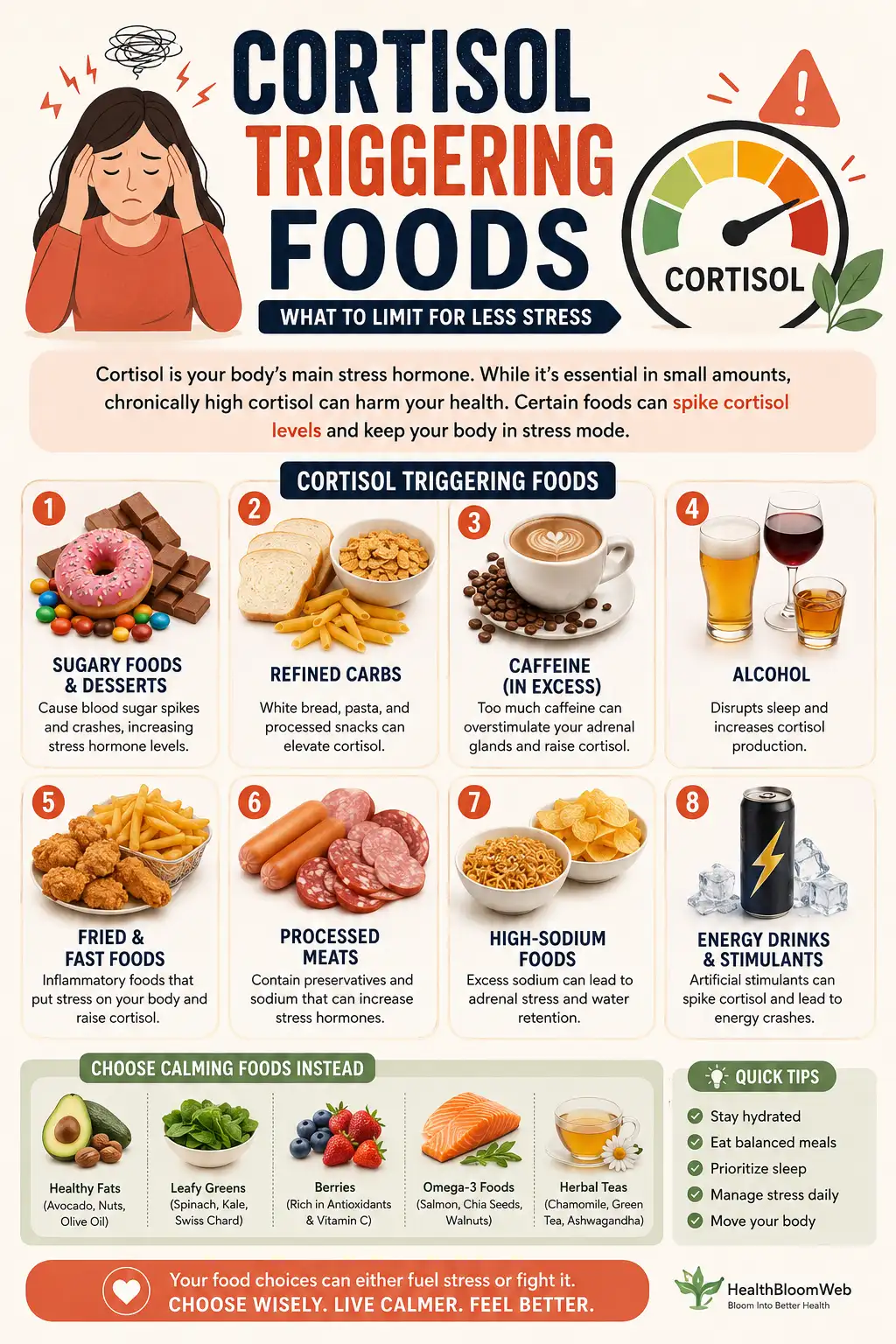
Top Cortisol Triggering Foods to Avoid
1. Sugary Foods and Desserts
Examples:
- Candy
- Cakes
- Donuts
- Cookies
- Sweetened drinks
Large sugar loads create rapid blood glucose spikes followed by crashes.
These fluctuations can trigger stress responses and also may influence cortisol patterns.
Some dietary choices may contribute to higher stress hormone levels, especially when consumed regularly. Learn more about the specific foods that trigger cortisol and also how they can impact your body’s stress response.
Better alternatives
- Apples
- Nuts
- Greek yogurt
- Fruit with protein
- Chia pudding
2. Energy Drinks
Energy drinks often combine:
- High caffeine
- Sugar
- Artificial additives
Caffeine appears to be among the strongest direct dietary cortisol triggers. Some reports suggest a standard coffee dose can substantially increase cortisol temporarily.
Better alternatives
- Lemon water
- Green tea
- Coconut water
- Herbal tea
3. Excess Coffee on an Empty Stomach
Coffee itself is not always harmful.
Problems can happen when:
- consumed fasting
- taken repeatedly
- paired with poor sleep
The combination may intensify cortisol responses.
4. White Bread and Refined Carbohydrates
Examples:
- White bread
- White pasta
- Sweet cereals
- Packaged baked foods
Refined carbohydrates may create glucose swings that contribute to physiological stress responses.
Better swap
| Instead Of | Choose |
| White bread | Whole grain bread |
| Sugary cereal | Oats |
| White rice | Brown rice |
| Pastries | Fruit + nuts |
5. Deep Fried Fast Foods
Examples:
- Fries
- Fried chicken
- chips
- processed snacks
Recent research examining meal composition suggests high-fat meals influence cortisol-related physiological changes.
6. Ultra-Processed Foods
Examples:
- Packaged snacks
- Frozen meals
- processed meats
- instant foods
A 2026 analysis found associations between greater ultra-processed food intake and elevated cortisol markers.
Stress Hormone Foods
“Stress hormone foods” is sometimes used to describe the foods that could affect our body goes through cortisol, the lowest of the stress hormone as mentioned before. Cortisol is a steroid hormone that is made by the adrenal glands and has a wide range of effects Cortisol may influence carbohydrate, fat and protein metabolism. Cortisol also influences blood sugar levels and helps to keep the body on the move. Cortisol helps strengthen our immune system and inhibit the inflammation and also helps you to fight stress. Coursing through the body, Cortisols naturally rises and falls regularly, and every rise and fall is healthy. Chronically high level of Cortisol has been found to lead to fatigue, overeating, moodiness, weight gain and sleep problems. Unlike our appetite we cannot control the level of Cortisol in our body however certain foods or the way in which we eat may contribute to our stress coping mechanisms.
While not the only factor, foods which are highly processed and high in sugar are common stress hormone foods due to their impact on blood sugar stability (i. E., their impact on raising and lowering blood sugar). Candy, cake, cereal, ice cream and also sugary drinks are examples of high sugar foods which lead to quick peaks and subsequent short term dips in glucose leading to energy crashes and potentially stress responses. High sugar food intake can lead to an increase in food cravings and eating irregularly. Rather than producing a long energy supply, they most often promote’ a short burst of energy followed by tiredness.
Foods That Cause High Cortisol
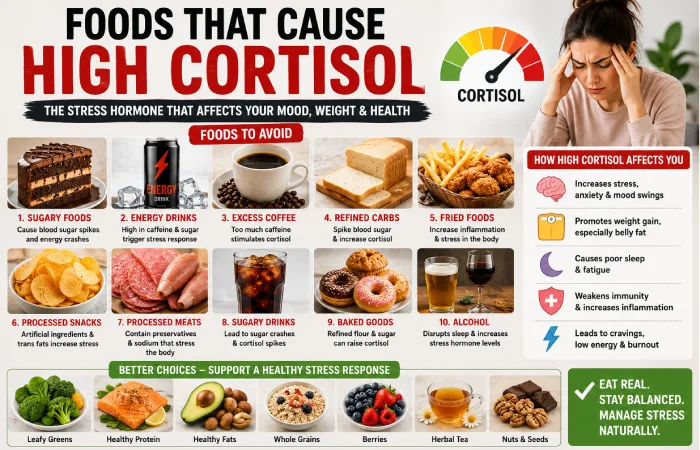
Generally, when people search for “foods for high cortisol,” they’re trying to figure out if foods themselves can cause high levels of stress hormones in the body, and thus have potential health consequences. Known as the stress hormone because it is released from the adrenal glands when physical or psychological stress is applied to the body, cortisol is an important hormone because it is responsible for maintaining our well being due to it playing a major role in managing our levels of glucose, metabolizing fat and maintaining our inflammatory and energy levels, and our response to stress. Small rises in levels of the hormone are healthy, and also health problems arise when there are chronically high levels of cortisol, leading to lethargy, sleeplessness, craving foods, behavioral changes, weight gain etc. No single event can actually create a chronic cortisol level in our body, but trends that we eat and many food items do cause negative affects on our stress hormones levels.
Sugary and refined foods also tend to be some of the most commonly referenced foods high in cortisol, including candy, cakes, pastries, sweetened cereal, biscuits, and soft drinks. These foods have the potential to send blood glucose levels soaring and then crashing due to their effect on blood sugar levels. This can potentially be stressful for the body as it strives to re-establish stable levels of energy. The highs and also lows associated with blood sugar levels, along with increased craving and energy crashes, are known to become greater each day and may have a negative impact on glucose homeostasis.
Research Trend Table
| Study Area | Findings |
| Ultra-processed food consumption | Associated with elevated cortisol markers |
| High-fat meal patterns | Influenced cortisol response |
| Added sugar intake | Linked with stress-related metabolic effects |
| Excess caffeine | Strong temporary cortisol spikes |
| Blood sugar instability | Increased stress responses |
Sources: 2026 studies and also expert reviews.
Visual Stress Trigger Hierarchy
| Food Type | Relative Cortisol Impact |
| Energy drinks | Very high |
| Sugary beverages | High |
| Fried foods | Moderate–high |
| Ultra-processed foods | Moderate |
| Refined carbohydrates | Moderate |
| Whole foods | Low |
This table reflects trend patterns rather than exact clinical measurements.
Cortisol Triggering Foods vs Better Alternatives
| Trigger Food | Better Choice | Benefit |
| Soda | Sparkling water | Less sugar |
| Candy | Fruit + nuts | More fiber |
| Energy drink | Herbal tea | Lower stimulation |
| White bread | Whole grains | Stable energy |
| Chips | Roasted nuts | Better nutrients |
| Sugary cereal | Oats | Slower digestion |
Cortisol and Weight Gain: Why Belly Fat Happens
Long-term stress changes appetite and also eating patterns.
High cortisol may:
- increase cravings
- encourage comfort eating
- influence insulin regulation
- support abdominal fat storage
Stress-related weight gain is multifactorial and also not caused by one food alone.
Foods That Support Healthier Cortisol Balance
Research frequently highlights:
- Salmon
- Leafy greens
- Walnuts
- Avocados
- Fermented foods
- Berries
- Magnesium-rich foods
These contain nutrients associated with healthier stress responses.
Product Comparison
| Product Type | Benefits | Comparison |
| Magnesium supplements | Stress support | Speak with doctor if needed |
| Omega-3 supplements | Anti-inflammatory support | Quality varies |
| Herbal teas | Low caffeine | Mild effects |
| Probiotic foods | Gut support | Individual response differs |
| Protein snacks | Blood sugar stability | Check added sugars |
FAQ
Which diets stimulate cortisol level?
Excessive intake of caffeine, sugar-rich foods, ultra-processed foods and also specific inflammatory dietary habits are often considered as provoking.
Does a weighted dose of coffee increase (serum) cortisol?
By itself it can, especially on an empty stomach or in higher doses.
Does cortisol lead to fat accumulation in the abdominal region?
High levels of cortisol might lead to fat being stored in the abdominal area.
Do carbohydrates cause an increase in cortisol?
No. Whole grains, cereals, fruit and also fiber-rich foods are not necessarily very different from polished carbs.
Would just changing your diet be enough to lower your cortisol?
No. Sleep, activity, stress coping, lifestyle and also This will have the effect of