
 Sameena Fatima
Health & Wellness Content Writer
in
Sameena Fatima writes reader-focused
health and wellness content for
HealthBloomWeb, covering fitness,
nutrition, healthy lifestyle and
everyday wellness topics.
Sameena Fatima
Health & Wellness Content Writer
in
Sameena Fatima writes reader-focused
health and wellness content for
HealthBloomWeb, covering fitness,
nutrition, healthy lifestyle and
everyday wellness topics.
 Mirza Ibrahim Ali Khan
Editorial & Content Reviewer
in
Mirza Ibrahim Ali Khan contributes to
HealthBloomWeb's editorial review process,
with a focus on content structure,
readability, search intent and overall
editorial quality.
Mirza Ibrahim Ali Khan
Editorial & Content Reviewer
in
Mirza Ibrahim Ali Khan contributes to
HealthBloomWeb's editorial review process,
with a focus on content structure,
readability, search intent and overall
editorial quality.
 Reyansh Sethi
Medical Reviewer
in
Reyansh Sethi contributes to the medical
review process at HealthBloomWeb, focusing
on clarity, responsible health context and
reader-friendly presentation of health
information.
Reyansh Sethi
Medical Reviewer
in
Reyansh Sethi contributes to the medical
review process at HealthBloomWeb, focusing
on clarity, responsible health context and
reader-friendly presentation of health
information.
Introduction
Weight Loss & Belly Fat are two of the most popular health keywords searched because fat around the abdomen is directly related to the health wellness of many systems in the body, including coronary health, diabetes and metabolism. If you are looking for a ‘quick fix’ then, in truth, this is not something I would advise. The most effective belly fat loss requires a combination of good nutrition, stress control, sleep and exercise.
The simplest and most reliable way to lose belly fat is by adopting healthy eating, getting sufficient sleep, reducing stress levels and by doing exercise. Hundreds of crunches are considered the absolute number one way to shed belly fat by many but is actually a myth. What really controls it are hormones, your lifestyle, and how all the calories works together. This article will detail the science and also how the tools work so you can get results and stay there.
This Article is a part of Cortisol Management
Understanding Belly Fat and Why It Forms
Belly fat consists of two main types:
| Type | Description |
| Subcutaneous Fat | Fat located just beneath the skin |
| Visceral Fat | Fat surrounding internal organs |
Visceral Fat is dangerous since it not only alters hormonal functions, but it increases risk of developing chronic diseases as well.
Common causes of belly fat include:
- Excess intake of calories
- Sedentary life style
- Sleep is heavily implicated in the etiology.
- Prolonged stress
- Disruption to hormones without correct balancing
- Aging
- Too much alcohol intake
Knowing the real cause enables a more personalized approach to losing weight.
Cortisol Belly Fat Explained
Also called ‘the stress hormone’ – This well-known hormone also could be making a contribution to how much you eat and where your body stores its fat as well as your craving for some of the most unhealthiest foods.
How Cortisol Contributes to Belly Fat
- Increases cravings for sugary foods
- Encourages emotional eating
- Promotes fat storage around the abdomen
- Affects blood sugar regulation
Signs of Elevated Cortisol
- Constant fatigue
- Increased cravings
- Poor sleep
- Difficulty losing weight
- Increased abdominal fat
Stress Eating and Weight Gain
The truth is, you’re probably eating not out of true hunger but instead out of stress.
While on the neurological level, your body may call out for high-glycemic / high-fat / high-calorie foods in response to chronic stress,
Common Stress-Eating Triggers
| Trigger | Common Food Choice | Better Alternative |
| Work Stress | Chips | Mixed Nuts |
| Anxiety | Chocolate Bars | Fruit |
| Boredom | Cookies | Greek Yogurt |
| Poor Sleep | Fast Food | Protein Snack |
How to Reduce Stress Eating
- Keep healthy snacks available
- Drink water before snacking
- Practice mindful eating
- Take short walks during stressful periods
- Improve sleep quality
Best Diet for Hormonal Weight Loss
It’s a well-known fact that hormones have an influence over the metabolism and the fat that accumulates in the body, so a correct diet may also help with a proper hormone operation, in addition to getting more out of a fat reduction plan.
Foods to Prioritize
| Food Group | Examples |
| Lean $ Protein | Chicken, Eggs & Fish |
| Fiber-Rich Foods | Oats, Lentils and Beans |
| Healthy Fats | Avocado & Olive Oil |
| Vegetables | Broccoli, and Spinach |
| Fruits | Apples, Berries |
Benefits of a Hormone-Friendly Diet
- Better appetite control
- Stable blood sugar levels
- Reduced cravings
- Improved energy levels
- Enhanced fat-burning potential
Product Comparison
| Product Type | Best For |
| Whey Protein | Muscle preservation |
| Plant Protein | Vegan nutrition |
| Meal Replacement Shake | Convenience |
Foods for Flat Belly & Stress Reduction

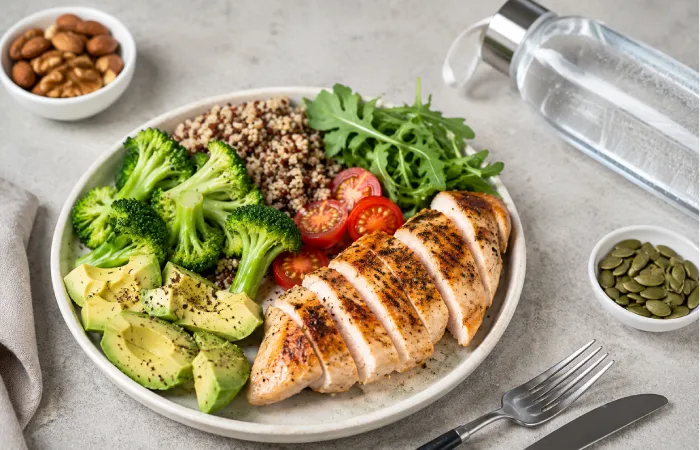
Certain foods support both stress management and also weight loss.
Magnesium-Rich Foods
- Almonds
- Pumpkin Seeds
- Spinach
Omega-3 Sources
- Salmon
- Sardines
- Walnuts
High-Fiber Foods
- Oats
- Chia Seeds
- Beans
Probiotic Foods
- Greek Yogurt
- Kefir
- Fermented Vegetables
| Food | Primary Benefit |
| Salmon | Omega-3 Support |
| Oats | Improved Satiety |
| Greek Yogurt | Gut Health |
| Almonds | Magnesium |
| Avocado | Healthy Fats |
Sleep and Weight Loss Hormones
Sleep is one of the most overlooked factors in weight management.
If you’re deprived of adequate quality sleep, those same hormones that regulate hunger start to be thrown out of balance.
| Hormone | Function |
| Leptin | Signals fullness |
| Ghrelin | Increases hunger |
| Cortisol | Stress response |
| Insulin | Blood sugar regulation |
Benefits of Quality Sleep
- Better appetite control
- Reduced cravings
- Improved recovery
- Enhanced metabolism
Aim for 7–9 hours of sleep each night for optimal hormone balance.
Are You Making These Mistakes That Are Stopping You Losing Your Belly Fat?
Many people are getting caught by simple preventable pitfalls such as comparing others.
- Mistake 1 – Skimping On Meals Often leads you to over-eat later on in the day through hunger
- Mistake 2 – Lack of Sleep If you’re not getting enough sleep (or any sleep at all), that would promote a higher chance of you being more hungry. Mistake
- 3 – Attempt To Spot Reduce (Exercise) Doing crunches can lead to strengthening the muscles. It will not have any impact on burning of body fat.
- Mistake 4 – Getting Stressed Out
FAQS
Cortisol and belly fat?
When you deal with stress, you are more likely to gain weight on your tummy and also crave more. When levels rise, so does body fat.
Which Foods Aid Weight and Reduce Stress?
Here Are The Healthiest Foods That Help Burn Your Belly Fat and Help Relieve Your Stress
How long to go to slim belly fat?
People that notice results in the first week typically start shedding the fat more in the next few weeks than they do during the first few weeks, however significant change can take a couple months.
Conclusion
You probably think this guide is all about avoiding dessert but when it comes to reducing tummy fat, your battle can also involve managing stress, getting quality sleep, hormone balance and also healthy diet too so let’s break it down and learn how you can support this through understanding of: anti cortisol, stress eating and weight-loss hormone and also many other things to support you over the coming years, weeks and days to ensure success! For ultimate results: good diet along with plenty of exercise, sleep and a plan for reducing stress in your life. Visit our workouts guides, nutrition guides or weight-loss strategies for additional information that you need for even greater success.